Azerbaijanis Cut Down Forests and Build Strategic Roads, While We 'Hit a Cellophane Cabin' and Stand Still – Head of the Jakateni Community
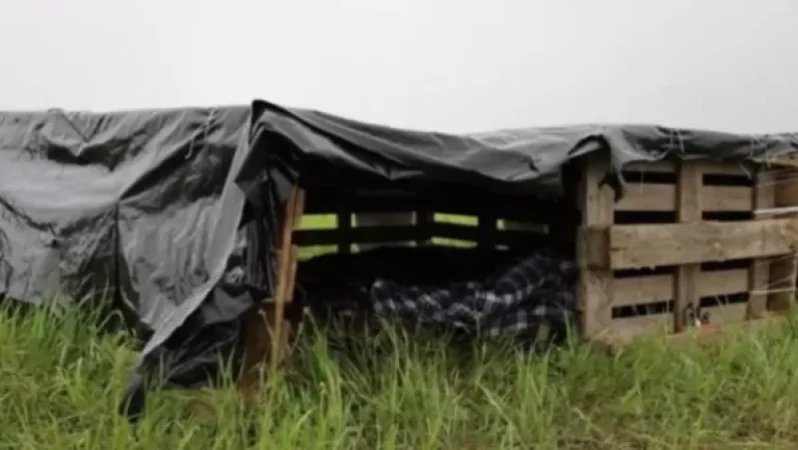
In the administrative area of the Jakateni village of the Syunik region, near the pasture located about 1 km from the village, local residents have lost 4 cows belonging to two families after they took them to pasture. Ara Harutyunyan, the head of the Jakateni community, provided details about the incident to Pastinfo.
“On the afternoon of July 26, people took their livestock to pasture. For over 20 years, the livestock have been accustomed to grazing in that area, which is now occupied by Azerbaijani troops. For the past seven months, people have been trying to keep their livestock in barns, then moving them to other grazing areas that are within Armenian territory. That day, while seated in the Armenian pasture, those people returned home for lunch and errands, and upon returning, they found that the cows were gone,” he said.
The community head reported that after waiting for three days and noticing the animals had not returned, search efforts were initiated. Attempts to locate the animals in various areas were in vain. “Since July 30, we have been observing from our border with binoculars, and we saw our cows tied near the Azerbaijani border, close to the temporary shelters in the village of Jambarak. There is a gorge 600 meters down from our administrative territory, where the cows went to drink water, climbed up, and entered their side. They were dairy cows and we didn’t slaughter them,” he added.
The village kept track of the animals' movements and reported to the Russian peacekeepers alongside border guards. As of August 1, the cows are considered lost. The Russians inquired if there was evidence that the villagers had seen the animals on the Azerbaijani side, but the villagers had only been observing with binoculars and did not document the movements.
The four missing cows were acquired on credit. The community head approached the manager of the Akba branch in Kapan, presented the situation, and asked for support, but the employee stated that they were not authorized to assist. Harutyunyan also met with the regional governor's deputy. The administrative head must submit a report indicating who owns the missing animals, when they disappeared, and submit it to the governor's office with the police's signature.
When asked whether the family might receive financial aid, the community head mentioned he has no information. The border guards have indicated that negotiations have not concluded. The administrative head said, “the Turk remains a Turk.” If they truly seek peace, the livestock should have been returned the same day.
“People do not know what to do; every day they arrive at the regional center mixed up and say they don’t know what to do—the time for repayment of their loan is approaching. The calves are also left without owners, and it’s not just this family. People keep cows, pigs, and sheep; they are literally taken with a rope like dogs, waiting to return home, but this cannot last long. Every day, we try to convince the villagers that things will improve, yet support is needed; at least the relevant authorities should address this issue so that I understand I am not alone in the village,” he said.
A resident from Jakateni, whose animals have disappeared, has suffered significant financial loss. He had taken out a loan of three million to purchase the animals. After some repayments, he still owes 1.6 million drams. Each cow is worth about 500,000 drams. “The villager is in a situation where he says at least waive my interest; I will gradually close the principal amount throughout my life. But if we only support in this way at this moment, how can the villager survive? When going to harvest, someone from the border guard has to stand there; we are harvesting the wheat, and an armed person has to be there,” he explained.
The villagers have no other means of livelihood—they can survive only through animal husbandry. The administrative head noted that especially young people are even willing to leave the village. The Azerbaijani side is fortifying, and they avoid traveling during evenings for security reasons. “There are instances where people want to leave the village. Young families have been formed, but people see no future, even if they have to tie their livestock like dogs, take them to graze, and bring them back. It’s impossible to offer mere words of hope to the villagers, especially when a cow goes missing, to tell them to take out another loan,” the administrative head told Pastinfo, pointing out the mixed situation.
The Azerbaijanis are constructing roads, and 90 percent of the village’s population prefers not to travel after 10 PM: “an incident happens once.” On the Azerbaijani side, the distance varies, but on the side where the cows passed, it is 1.3 km from the road. The Azerbaijani side has long started construction beyond the border. “Concrete mixers are coming, roads are being constructed, bulldozers are working. Forests are being cut down; new strategic roads are being built, while we just hit a cellophane cabin and stand still.” In Jakateni, there are 32 permanent households, the highest population count is in summer when those from abroad return, although this summer the numbers have been lower. The village mainly has about 80-85 residents. The Azerbaijani side sometimes resorts to provocations, although gunfire is not heard here.
Specifically, the Azerbaijanis engaged in open provocation on Sunday on the road. “The post is 7 meters from the road, on the right side are Armenian border guards, and on the left are Turks. There should be one or two people, but on Sunday, while the children were driving back up the road with a car, the Azerbaijanis, four of them, were yelling and shouting, almost getting into the car where all the women were. It was horrifyingly stressful. I immediately reported it to the border guards, and they did to the Russian troops,” the community head recounted. Jakateni currently seems safe, but residents increase their speed when passing through the Azerbaijani side to avoid extreme situations.
Նմանատիպ հոդվածներ
A Fine of 100,000 Drams to be Imposed for Taking Photos at the Border
Photo: Defense Ministry Presents Type of Drone Shot Down by Armenian Air Defense

Russia Still Struggling to Overcome Coronavirus: Peskov Explains Why
Agreement Reached to Reinstate Ceasefire Through Mediation of Russian Peacekeeping Forces: Ministry of Defense
Ավելին Society բաժնից

ՆԳ նախարարը մանրամասներ է հայտնել 12–ամյա երեխային թմրամիջոց տալու դեպքից. վարկածներ կան
Հայկական արտադրանքի ԵՄ արտահանման հեռանկարները. Պապոյանի պարզաբանումը
ՏԵՍԱՆՅՈՒԹ. Երևանում խցանումների կառավարման նոր ծրագիր. Ավինյանը մանրամասնել է