Inhumane Conditions for Detained Individuals at Shirak and Aragatsotn Courts, Ombudsman Reports
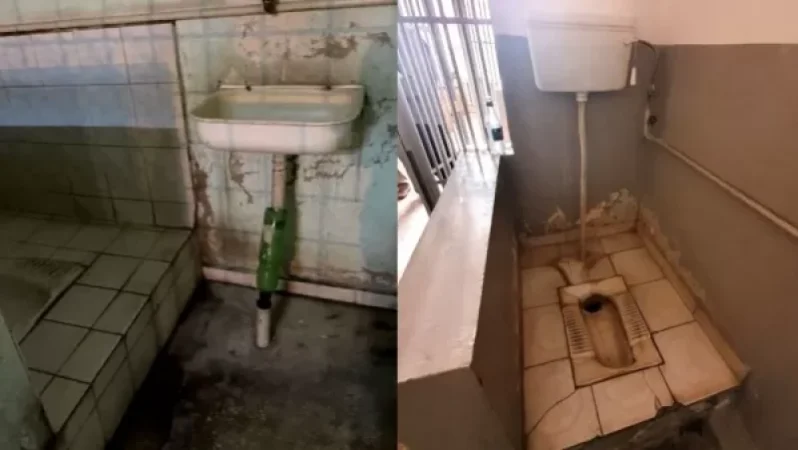
The conditions in the holding cells for individuals deprived of liberty at the Shirak and Aragatsotn courts violate dignity and rights, according to the Human Rights Defender (HRD). During an unannounced visit on July 23, 2021, the HRD's National Preventive Mechanism (NPM) highlighted several critical issues related to the holding conditions.
• There are severely inadequate conditions at the Shirak court's Gyumri premises. The cells designated for holding individuals are located in the basement of the court building, which has insufficient natural light and lacks artificial (electric) lighting altogether. The windows are mere holes covered with concrete and bars, devoid of glass covers. This is unacceptable, especially considering the need to maintain proper thermal conditions in cold weather.
During the visit, high humidity levels were observed in the Gyumri holding cells, with water pooling on the floor. There is an urgent need for repairs, as there is no ventilation system, the floor is concrete, and the walls of the cells show signs of cracking and peeling paint.
• The toilets in the cells across all premises are not separated from the living quarters by complete walls, nor do they have doors. According to official explanations, more than one person can be held in the cells, which makes this situation particularly unacceptable regarding the respect for human dignity and the inviolability of private life.
It is also unacceptable that all toilets are of the Asian type. In the Ashtarak premises, there are two cells with completely open-bar doors, where the toilets are positioned in such a way that they can be clearly seen from the corridor outside the cell. This violates the right to dignified treatment and the inviolability of personal privacy.
The unacceptable status of the toilets in the court cells is systemic and has been recorded in connection to other courts (e.g., the first-instance court premises in the Kotayk region, specifically in Hrazdan and Abovyan) in the HRD's reports.
• One of the cells in the Ashtarak premises lacks a window, leading to no natural light and insufficient ventilation due to the absence of a ventilation system.
• In one of the two cells in Ashtarak, the sink is missing, while both Gyumri and Aparan premises have cells with sinks but no water taps. In one Gyumri cell, a plastic bottle has been installed instead of a sink pipe.
• Basic sanitary supplies are absent in the cells; specifically, there has been no soap in the examined cells, and toilet paper was only found in the Aparan premises.
• None of the three cells in the Maralik premises, nor two of the four cells in Gyumri, have been furnished with benches, nor is there any form of furniture present.
• There are no conditions for providing meals to the detained individuals in any of the court's cells.
• The court cells and their toilets are not equipped to meet the needs of persons with mobility issues. Additionally, since the court buildings are not accessible for those facing mobility challenges, the transfer from the cells to courtrooms is unacceptable from the perspective of human rights and dignity.
The conditions in the Maralik and Aparan premises are comparatively better, with sufficient sanitary and hygienic conditions and light transmission.
These issues were documented during unannounced visits conducted by the HRD's division responsible for National Preventive Mechanism functions on July 23, 2021, focusing on the Shirak and Aragatsotn first-instance courts. The visits evaluated the conditions of the temporary holding cells for individuals deprived of liberty in Gyumri, Maralik, Ashtarak, and Aparan, as well as conversations with court staff and judicial officers.
Another issue related to the courts is the responsibility of the state agency tasked with the transport, escort, and custody of convicted individuals, a matter that is systemic and persistently discussed in HRD reports with relevant recommendations.
The results of these visits are currently being summarized and will be presented with appropriate recommendations to the competent state authorities.
The report includes several photographs from the Gyumri, Ashtarak, and Aparan premises in the Shirak region.
Նմանատիպ հոդվածներ

A Fine of 100,000 Drams to be Imposed for Taking Photos at the Border

Photo: Defense Ministry Presents Type of Drone Shot Down by Armenian Air Defense

Russia Still Struggling to Overcome Coronavirus: Peskov Explains Why
Agreement Reached to Reinstate Ceasefire Through Mediation of Russian Peacekeeping Forces: Ministry of Defense
Ավելին Society բաժնից
ՏԵՍԱՆՅՈՒԹ. Երևանում խցանումների կառավարման նոր ծրագիր. Ավինյանը մանրամասնել է

Իլոն Մասկը դարձել է աշխարհի առաջին տրիլիոնատերը
Հակակոռուպցիոն կոմիտեն հաղորդագրություն է տարածել