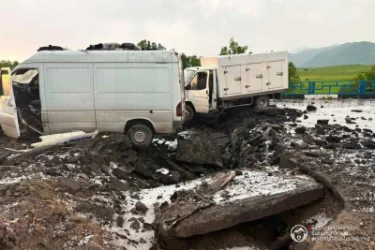
What is Happening in Yerasx: 200-300 Square Meters,
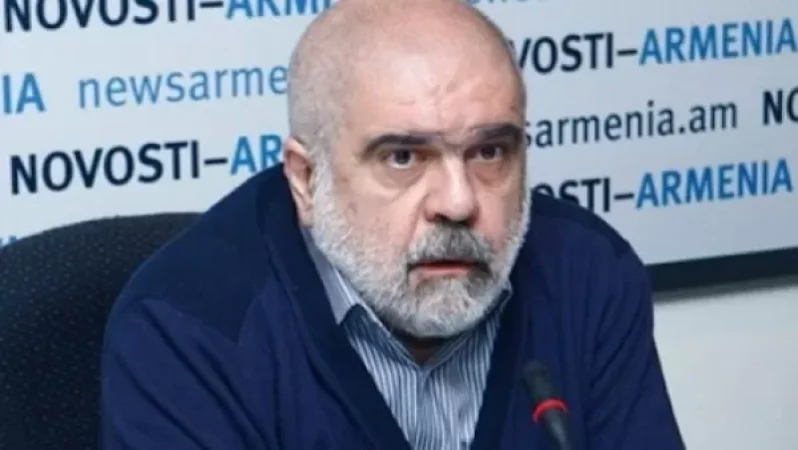
Political scientist Alexander Iskandaryan commented on the aggression from the Azerbaijani side in the border area of Yerasx in Ararat region and Gegharkunik in a conversation with journalists. He explained how the situation in Yerasx differs from that in Syunik and Gegharkunik.
"The difference lies in the fact that the border line there is older, established in the early 90s. There are things that should not be said, but any Armenian who has traveled that way has seen all the constructions, land works, and forces that the army has concentrated over the years. Here the border has not been poorly established, and the Azerbaijanis cannot simply come in from that border and try to take a few dozen square meters of territory. What is happening here involves 200-300 square meters," he noted.
Iskandaryan mentions that the situation in the south of the country is different, as the borders there are relatively newer—turning into a line of contact in November, with troops stationed there only three months ago.
"That is why armed Azerbaijanis at the border are met by shepherds, local village leaders, or anyone passing by. There are no strict borders here, and the Azerbaijanis can afford to do things they cannot do at a solid border," he explained.
He emphasized the need to create a situation where it is challenging for Azerbaijani soldiers to do whatever they want at any moment. "I understand that this cannot be done in a day, but nine months have passed. Perhaps it is a good tactical decision for the Russians to station themselves at the border, but the Russians come quite slowly. For us, time does not pass the same way—we do not have time," he added.
"Interests can align when a third country is stationed at your borders. The Russians do not want a great war—the important thing is for the borders to be peaceful. But for them, it does not matter who controls the situation in the Black Lake area—Artsakh, Armenia, or Azerbaijan. Interests do not completely align. Great powers are like God—they help those who help themselves," Iskandaryan concluded.
Նմանատիպ հոդվածներ
A Fine of 100,000 Drams to be Imposed for Taking Photos at the Border

Russia Still Struggling to Overcome Coronavirus: Peskov Explains Why
Agreement Reached to Reinstate Ceasefire Through Mediation of Russian Peacekeeping Forces: Ministry of Defense
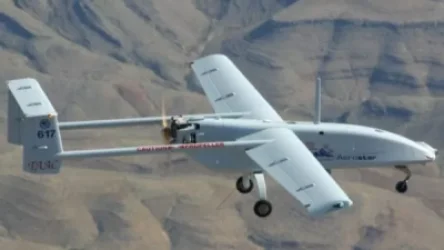
Photo: Defense Ministry Presents Type of Drone Shot Down by Armenian Air Defense
Ավելին Society բաժնից

Հղի կնոջ մասնակցությամբ միջադեպի քննությունը փակուղի է մտել. «Ժողովուրդ»
Բանակից առողջության հիմքով ազատում են իրենց որդիներին. «Ժողովուրդ»
Ինչ իրավիճակ է փլուզումից հետո. նոր մանրամասներ