Relations with Neighbors Are Not Based on Borders or Number of Soldiers - Sargsyan
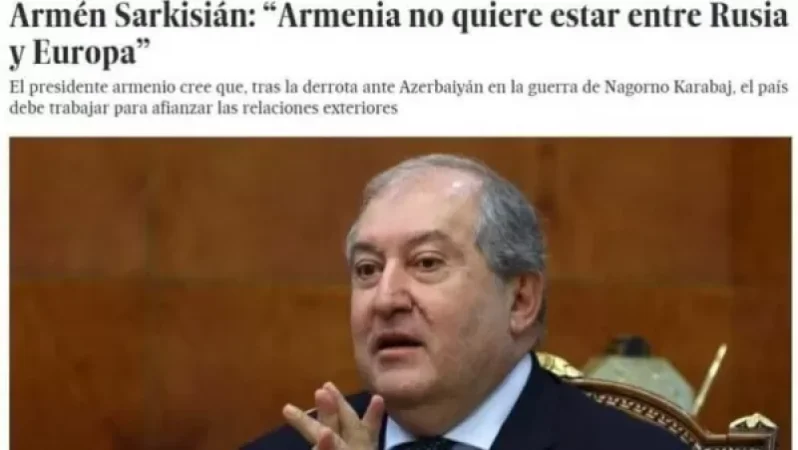
The Spanish prestigious publication El País Internacional has published an interview with the President of the Republic of Armenia, Armen Sargsyan. Below, we present a partial summary of this translated interview:
The President of Armenia believes that after the defeat in the Nagorno-Karabakh war, the country should actively work towards strengthening its external relations. He advocates for the removal of barriers that currently hinder Armenians living in the diaspora from participating in the country's political life.
In response to the question of whether negotiations regarding an agreement around Nagorno-Karabakh could have been different with the President's involvement, Armen Sargsyan said: “I don’t like to make assumptions. The Prime Minister and I are from two different generations, with different experiences. We even recognize our opponent, Azerbaijan, differently. Therefore, it is very likely that the outcomes could have been different. I cannot say exactly what they would have been, as there are not only the negotiators involved but also external factors and how they influence you and your opponent. However, I believe that in this case, we should forget about this and focus on the future.”
“Throughout our history, there have been episodes that we will never forget, such as the Genocide. It is very important that the other side also understands that if you do not respect the values, culture, and history of others, you cannot build relationships. Our relations with neighbors will not be based on either borders or the number of soldiers,” he added.
“Twenty-six years ago, the same countries went to war, and Armenians won. What do you know about what will happen tomorrow? Now Azerbaijan can take a simple step – return Armenian prisoners of war. This would be a small yet significant step on the path to rebuilding destroyed relationships. Turkey wants to normalize relations with Armenia, and that is normal. Erdoğan was not the organizer of the Genocide that occurred 106 years ago. However, you need to be strong to apologize. Asking for forgiveness is a strength, not a weakness.”
Նմանատիպ հոդվածներ
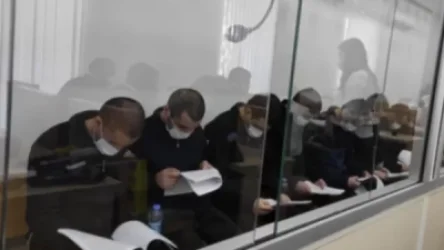
“Please send us home,” Armenian captive to Baku court
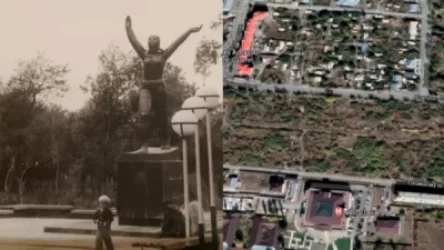
Former Park or Construction Waste-Filled Area: Аuroranews Investigates the Situation Surrounding Gyumri's Youth Park
Pashinyan Promises 500,000 Dram Reward for Citizens Documenting Electoral Bribery Cases
They Are Not Related: The Wife of the Vet from Isahakyan Village on the Cause of Her Husband's Death
Ավելին Society բաժնից
Օրենքով գող կկալանավորվի. հայտարարվել է հետախուզում
Երևանից դեպի Սևան ուղղությամբ մի հատվածը ժամանակավորապես կփակվի

Գևորգ Պապոյանը ներկայացրել է էլեկտրական մեքենաների քվոտայի մնացորդները