I and the Prime Minister Are Two Different Generations, Even in Recognizing Azerbaijan We Are Different: Armen Sarkissian to El Pais
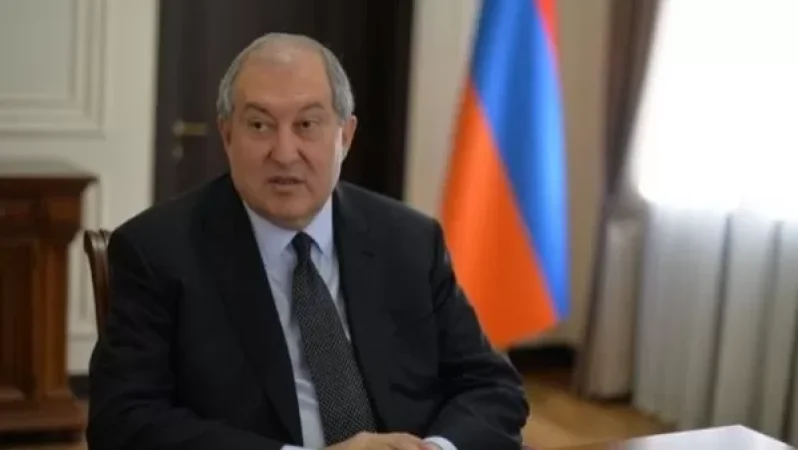
The Spanish prestigious newspaper El Pais has published an interview with the President of the Republic of Armenia, Armen Sarkissian. Below are excerpts from the translation.
Armen Sarkissian believes that after the defeat in the Artsakh war, the country should also work on strengthening external ties. Educated as a theoretical physicist and mathematician, Armen Sarkissian has been the President of Armenia since 2018. His role in the small parliamentary republic of the South Caucasus is mainly representative, but he argues that constitutional changes are necessary to shift the system towards a more presidential one.
During a lengthy interview at the presidential residence, held a day after parliamentary elections, he insisted that such a change would solve many of the country's current problems.
Sarkissian, who has taught at the University of Cambridge (UK), served as the Prime Minister from 1996 to 1997, and has long diplomatic experience, has also been an advisor to major companies such as Alcatel, Bank of America, and Telefónica. He is now trying to create a club of small yet successful countries that will become a platform for knowledge and experience exchange. He advocates for the removal of barriers that currently prevent Armenians living in the diaspora from engaging in the country's political life.
El Pais: After the parliamentary elections, one of the candidates stated that he does not accept the results. Do you think there will be serious tension?
Sarkissian: This has worried me a lot throughout the entire campaign. The language used by politicians was rough, intolerant, and impulsive, and that is unacceptable. I was concerned because I thought we could face possible confrontations, however, it seems likely we will avoid them.
El Pais: There are people who fear that the Nagorno-Karabakh conflict may resume. Do you consider this probable, or will the agreements in place be maintained?
Sarkissian: This is not a peace agreement; it is a statement about a ceasefire, which has a third party, Russia, as its guarantor. Russia's role here is very important. Russian peacekeepers will be there (in Nagorno-Karabakh) for at least five years.
El Pais: And what do you think, is Russia doing a good job?
Sarkissian: If Russia were not there, the situation would be entirely different. Is there anyone who can guarantee me that Azerbaijan, together with Turkey, would not dare to enter that territory? It is clear that this ceasefire is agreed upon between three parties, and perhaps a fourth one, Turkey, is involved behind the scenes, which, like your country (Spain), is a NATO member and used NATO weapons against Armenia.
El Pais: Do you think relations with the EU should be strengthened?
Sarkissian: During this second war in Nagorno-Karabakh, the European Union's voice was hardly heard. However, this is more about us: we need to learn to be more active within the union we are already part of. That is the Eurasian Economic Union. Then we need to build our relationship with the EU because we are part of special relations and special agreements, and that is a fairly deep connection. But agreements are agreements. If they are not implemented, they have no value. We must stabilize the situation in Armenia and focus on solving numerous internal problems. We are a country that lost thousands of young people during the war. There is tension on the Armenian-Azerbaijani border. There are many emotional issues because, although Armenia has returned all prisoners, Azerbaijan refuses to do so. Baku uses them for bargaining. That is wrong. You cannot use human lives for trade.
El Pais: And what about relations with Russia?
Sarkissian: I believe we should have very deep relations with the European Union and other Western countries. We have long-standing, very close historical relations with Russia. If you are a nation with a history of genocide next to your neighbor, Turkey, you must be very careful. You need a friend. For many years, Russia has been that friend, and the others understand that. We have had deep and strong relations with Russia and will continue to do so, but there is no contradiction in that, as Armenia also has good and deep relations with the EU.
El Pais: You mentioned that Russia should be seen as a friend for Armenia. Do you continue to be as good a friend as before?
Sarkissian: Who can judge that? Do presidents have discussions with each other? People with people? Friendship, even familial relationships, need care. Every relationship requires time, effort, and hard work to keep it alive, effective, and beneficial.
El Pais: Do you think you have done enough to nurture those relations?
Sarkissian: We can do more in our relationships—not only with Russia. We can and must do more with Europe as well. Particularly in the case of Armenia, which is a small country but a global nation, with millions of compatriots in the diaspora, we must work more actively. This is precisely what I would advise the next government—to be more active and listen to friends in order to work more effectively with them.
It is clear that during the Nagorno-Karabakh war, international support for Armenia diminished compared to the first war in the early 1990s, where the Armenian army achieved victory.
El Pais: You speak of many issues and the need for reforms. How should this be done more appropriately?
Sarkissian: By changing the Constitution. Many of our problems are related to an incorrect constitution. With the constitutional reforms in 2015, the country became not parliamentary but premier-presidential. And to make the right decisions, you need to take responsibility. Under the current constitution, the Prime Minister has all the rights but is mainly accountable to no one; he is accountable only to the parliament, that is, to himself, as he has a parliamentary majority. When there is no culture of parliamentary institutions, and we do not have one, it cannot work effectively.
El Pais: What type of change should there be?
Sarkissian: Armenia has been part of the Russian Empire, then the Soviet Union. After that, we became a presidential republic. There is a culture of presidential institutions. Moreover, we are Christians; we always want to have a savior. This is also reflected in our attitude towards politicians. We say, “Come and save us, give us the best promises; we will believe you even knowing that you will not fulfill them.” Culturally, the country understands vertical presidential power better than parliamentary. European institutions advised us to develop parliamentary democracy, but in reality, the majority of people do not understand that. This will be my mission in the coming years.
However, even under a presidential system, we must balance it with a strong parliament, which we are not doing right now. Our parliament is not representative. We need to have a parliament whose members represent specific people, specific places, specific cities. After that, we need to address another key issue: how to work with our diaspora.
El Pais: In what sense?
Sarkissian: We call the Armenian diaspora those Armenians who live abroad. It is our national treasure, and we do not benefit from it. We have built barriers that prevent our compatriots from the diaspora from entering our country politically. To become a member of parliament, you must have lived in Armenia for the last four years, you must only have an Armenian passport, which is absurd. The same goes for the presidency—you must have lived in Armenia for the last six years and have only one passport—Armenian. But when your power is human value, you need someone who has great life experience, who has traveled, lived and worked all over the world. There are many Armenians worldwide involved in politics and business. None of them can contribute politically in Armenia today. You cannot only help the country through charity. Global experience and knowledge are real wealth. Imagine if instead of the current 3.5 million Armenians there were 15 million.
El Pais: One of the most serious accusations against Prime Minister Nikol Pashinyan and his government is that negotiations regarding the agreements around Nagorno-Karabakh could have gone quite differently. Is that the case?
Sarkissian: I do not like to make assumptions. The Prime Minister and I are two different generations of people with different experiences. Even in recognizing the adversary, Azerbaijan, we do it differently. Therefore, the results could probably have been different. I cannot say exactly what they would have been, as factors beyond just the negotiators come into play as well as external factors and how they impact you and your opponent. However, I believe that in this case we should forget about that and focus on the future. There have been episodes in our history that we will never forget, such as the Genocide. It is crucial that the other side also understands that if you do not tolerate the values, culture, and history of others, you cannot build relationships. Our relations with our neighbors will not be built on the basis of borders or the number of soldiers. 26 years ago, the same countries fought, and the Armenians won. What do you know about what tomorrow will bring? Now, Azerbaijan can take a simple step—return the Armenian prisoners of war home. That would be a small, yet significant step towards rebuilding ruined relationships. Turkey wants to normalize relations with Armenia, and that is normal. Erdogan was not the orchestrator of the genocide 106 years ago. But, you need to be strong enough to apologize. Asking for forgiveness is strength, not weakness.
Նմանատիպ հոդվածներ
Nikol Pashinyan Appoints Popular Republican Son-in-Law to New Position, Whose Father is a Community Leader
KP Members Led by Hakob Arshakyan Stormed Hayk Mhryan's Office; He Submitted His Resignation Overnight
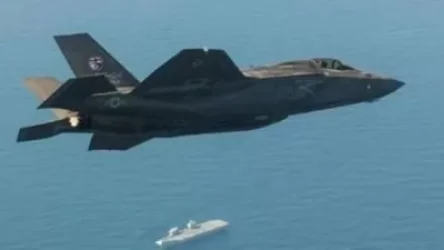
For the First Time Since World War II, U.S. Military Aircraft Operate from Foreign Carrier - CNN
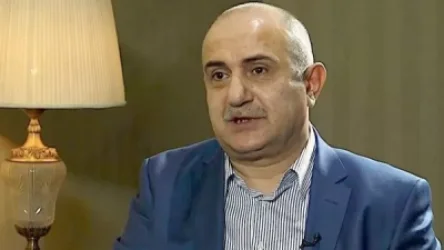
Samvel Babayan to be appointed Minister of Defense
Ավելին Politics բաժնից
Արթուր Օսիպյանի առողջական վիճակը գնահատվում է կայուն
Արդարադատության նախարարությունը դիտարկում է կուսակցություններին ընտրություններից զրկելու մեխանիզմներ
«Այն, ինչ անում է Հովիկ Աղազարյանը, սրիկայություն է». Իվետա Տոնոյան