Negotiation Process in a State Similar to Years of Gradual Poisoning, Says Pashinyan
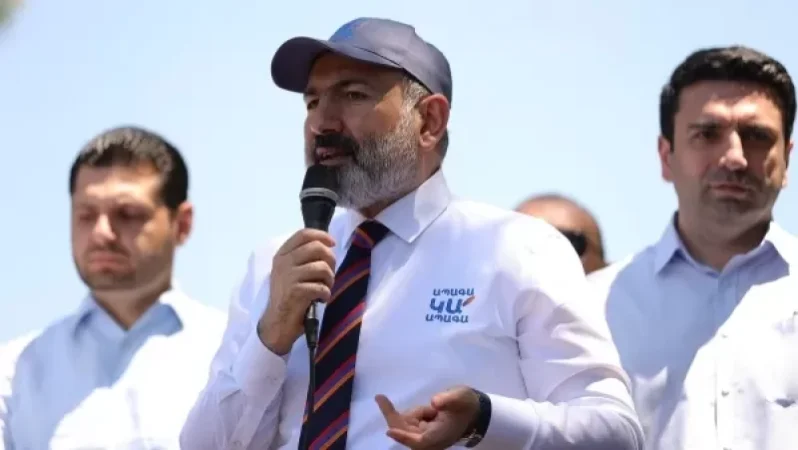
The leader of the "Civil Contract" party and acting Prime Minister Nikol Pashinyan addressed voters in Ijevan regarding the criticism directed at the authorities for the failure of the Nagorno-Karabakh negotiation process. Pashinyan noted that they received Armenia and the negotiation process in a depleted and poisoned state.
“We received Armenia and the negotiation process concerning Nagorno-Karabakh in a condition that is very much like an organism that has been poisoned drop by drop for many years: it has been depleted, poisoned, and ultimately, in a near-death condition, it has ended up in our arms. And now we are told, ‘Look, we took the negotiation process to a certain point,’ but the disaster happened with that organism in their embrace. What condition did we receive the Nagorno-Karabakh issue in? We received it in a state where Nagorno-Karabakh has been excluded from the negotiation process, when Armenia recognized the way of resolving the Nagorno-Karabakh issue according to the ‘Istanbul Charter’ of security in Europe, which must fit within Azerbaijan's territorial integrity. We received it in a state where Meghri, Kazakh, regions of Kazakh, and Shushi have been separated from Nagorno-Karabakh and placed among the areas adjacent to Lachin and what they call ‘occupied territories.’ We received it in a state where Serzh Sargsyan himself gives interviews admitting that Armenia said, ‘I will return the 7 regions to you, Azerbaijan,’ but Azerbaijan replied, ‘No.’ And now a recording has been released that was supposed to be a compromise against me, but the public reaction was exactly the opposite,” Pashinyan noted.
According to him, this means two things: those who accuse the authorities of not understanding the essence of the Nagorno-Karabakh issue or the content of the negotiation process do not understand it at all. “They hoped that this recording would be made public and the Armenian public would erupt. But they published that recording, and the blame from the Armenian public exploded right back in their faces. And today, yes, we are facing complex challenges, and we are confronted with the imperative of reconstructing our statehood, our country in a new way. We must rebuild our security, we must rebuild our army, we must rebuild every street, school, kindergarten in a new way, we must rebuild our social relations, and this is the way to overcome this crisis. And today we are also guilty to some extent, because now, looking back, I understand that the revolution was nevertheless delayed. And in some respects, I feel guilty because many tell me that I could have organized a revolution in 2008; during the 2013 presidential elections, many urged me to run for president. At that time, I did not do it, and now I think that perhaps this is truly my greatest fault, that the revolution took place in 2018, and not in 2008 or 2013,” he added.
Pashinyan emphasized that we must record, however, that having gone through these heavy trials, our country and people will not lose hope, will not break, and will not lose faith and confidence in their future. “Dear people, if you decide that we must leave, we will leave; if you decide that we must stay, we will stay. But we believe that on June 20, the question is not about whether we go or stay; on June 20, the question is whether you choose to stay or go, and I want the citizens of Armenia to decide that they will stay, that they will improve the situation, that they will live, and that they will win. And June 20 should be the first stone laid for that victory,” concluded Pashinyan.
Նմանատիպ հոդվածներ
Photo: Our 15 Brothers Are Returning, Says Nikol Pashinyan
Pashinyan Reveals Names of 15 Armenian Prisoners of War and Provides Details
BREAKING: Azerbaijan's Defense Ministry Acknowledges Arthur Katanian Was Lost
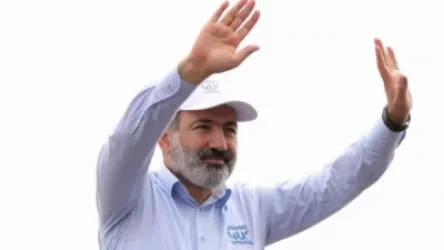
Pashinyan Promises 500,000 Dram Reward for Citizens Documenting Electoral Bribery Cases
Ավելին Society բաժնից
Օրենքով գող կկալանավորվի. հայտարարվել է հետախուզում
Երևանից դեպի Սևան ուղղությամբ մի հատվածը ժամանակավորապես կփակվի
Գևորգ Պապոյանը ներկայացրել է էլեկտրական մեքենաների քվոտայի մնացորդները