For the Sake of Armenia and Artsakh, We Can and Will Overcome Despair Together: Ararat Mirzoyan
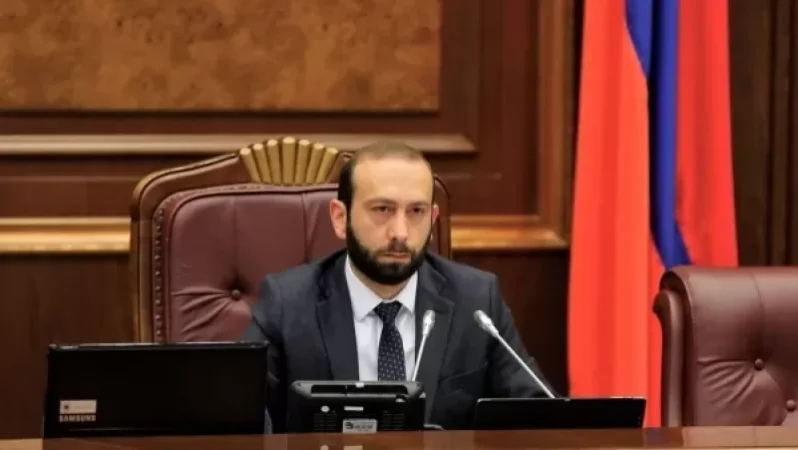
The President of the National Assembly of Armenia, Ararat Mirzoyan, addressed the current situation in the country:
"My relative silence over the past seven months has been conditioned by two main factors. First, the truths about all significant issues have been voiced multiple times even without me. Unfortunately, these truths have quickly dissolved in the daily maelstrom of deception and chaos, but they have undoubtedly taken root in the hearts and wise minds of our people and will inevitably bear fruit. Second, I have tried to use this time for self-reflection, to better understand the current political climate and context, as well as the events woven over the last decades in our country and around it.
Throughout this period, I have been and remain part of my political team, the Civil Contract Party, with the realization that the dream of building a better Armenia has constantly guided the Prime Minister, myself, and my fellow party members, as has the drive to serve our homeland and our people unreservedly. We have sought the least painful solutions in the face of terrible challenges, undertaken direct conversations with citizens about failures and successes, dangers and opportunities, and maintained the determination to build the future based on our dreams, recorded successes, and emerging opportunities.
However, below, I will try to abstract from my status as a representative of a specific political team and even as the Speaker of the National Assembly of Armenia, and speak as a person with modest insights into historical and socio-political processes.
Before moving forward and finding the right solutions, it is essential to soberly assess and accurately diagnose the existing situation.
Diagnosis
The phase that Armenia, Artsakh, and the Armenian nation are going through can undoubtedly be described as one of the most complex in the last century, both in terms of security environment and challenges, as well as in terms of unresolved or newly emerged issues across various sectors, and the psychological perceptions of individuals and the entire community.
The continuing provocations against our state, stemming from a war marked by both heroic episodes and heavy losses, have deeply traumatized many on personal, societal, and state-institutional levels. This issue is particularly exacerbated when, due to at least the apparent coordinated actions of internal and external forces, society is subjected to new psychological terror, experiencing new security concerns and demanding quick solutions that may not only fail to be the best but could likely lead to unpredictable consequences.
Some forces, driven by their narrow personal or group interests, attempt to promote a false agenda of local patriotism attributed to specific parts of our homeland, which also pose significant centrifugal and security risks, further intensifying citizens' concerns artificially. By doing so, and not only that, these forces consciously cross the invisible line between fighting against the ruling political force, the Civil Contract Party, and our state's interests, effectively weakening our country's resilience and declaring war on its citizens.
Moreover, due to the pandemic and especially the war, social issues have intensified in Armenia and Artsakh. The government is, of course, making enormous efforts and allocating vast financial resources to solve these problems, often at the expense of other sectors, yet any efforts in this direction can never be completely satisfactory compared to the needs of the beneficiaries.
The ongoing but yet unfinished reforms in the judiciary have not yet allowed for the full realization of justice against criminal groups that have seized the state and exploited citizens, although many such cases are already at one phase of the process or another. Some representatives of the judicial system have failed to operate genuinely impartially and independently, resulting in a sense of impunity for these groups regarding past crimes and future actions, while simultaneously exacerbating citizens' unmet demands for justice.
However, the issues are by no means limited to this, but this text is far from an exhaustive analysis, let alone an ambitious scientific study, so let us move forward.
In conclusion of this section, let me just state that the listed and bypassed issues make our state's sovereign immunity vulnerable while decreasing citizens' trust in the country's future, specific state institutions, and at times the entire state system, causing these citizens to subconsciously position themselves as 'distant' from the state.
Reboot
At this juncture, Armenia essentially has two possible future paths, and the upcoming snap parliamentary elections will be pivotal and decisive for choosing that path.
The first option is to surrender, accept, and abandon the dream of having a good country. Accordingly, this would return us to the past—where the decisive role of citizens is nullified, citizens are once again reduced to mere taxpayers and consumers, dispossession occurs, systemic corruption and bribery prevail, business monopolies exert control, economic unfreedom and shadow taxes rear their heads, leading many to see emigration as the only escape...
The second option is to break the chains of despair, emerge from the psychological dead end, and straighten our backs. Without hesitation, we will carry out the necessary actions, building the future of Armenia step by step, brick by brick. This includes profoundly reforming and adapting our armed forces to new realities, rebooting the security architecture in general, ensuring the protection of the ceasefire regime in cooperation with our strategic ally, the other co-chairs of the OSCE Minsk Group, and other partners interested in regional stability, while also eliminating the potential for new provocations by Azerbaijan along the entire length of the borders of the Republic of Armenia and in Artsakh.
We must subject our potential future actions, possible steps, counteractions, threats, and challenges to deep calculations and discussions, also considering the crisis management experience gained by state institutions over the past year.
We must realize that the realities surrounding our homeland contain both threats and, however strange it may sound, new opportunities. Without an outlet to the sea, we should pursue the possibility of utilizing regional infrastructures, naturally ensuring all necessary national security tools, and further still—certainly not at the expense of national interests.
We should strengthen and develop the achievements acquired after the revolution—democratic institutions, a free and competitive economy, which has proven its resilience even in the face of the pandemic, war, and post-war crisis, largely due to precisely that freedom and competitiveness and the absence of shadow taxes. We must continue to support the most promising and priority directions of the economy through various financial programs.
We should persist in large-scale infrastructure construction and renovation. We need to carry on ambitious qualitative reforms in the judicial, educational, and health systems. We must create additional social cushions for citizens.
We should reactivate specific state institutions and the overall process of state-building. We must not allow this process to encounter sabotage and torpedo attempts, as we have witnessed in the past three years. Therefore, we must take necessary, even painful steps to ensure the complete and uninterrupted functioning of state mechanisms.
The correct choice in this brief but crucially outlined dilemma, I believe, is evident. As a nation, as a state, we have paid too high a price, made too many sacrifices, and we no longer have the right to surrender. We do not have that right either in front of the memory of our priceless martyrs, nor in front of the children that have been born and will be born.
For the sake of all of them, we must be reborn and live.
For the sake of Armenia and Artsakh, for the sake of life, for the sake of the future, we must, we can, and we will break through despair together. And yes, there is a future, certainly there is."
Նմանատիպ հոդվածներ
BREAKING: Azerbaijan's Defense Ministry Acknowledges Arthur Katanian Was Lost
Pashinyan Reveals Names of 15 Armenian Prisoners of War and Provides Details
Photo: Our 15 Brothers Are Returning, Says Nikol Pashinyan
Pashinyan Promises 500,000 Dram Reward for Citizens Documenting Electoral Bribery Cases
Ավելին Society բաժնից
Օրենքով գող կկալանավորվի. հայտարարվել է հետախուզում
Երևանից դեպի Սևան ուղղությամբ մի հատվածը ժամանակավորապես կփակվի

Գևորգ Պապոյանը ներկայացրել է էլեկտրական մեքենաների քվոտայի մնացորդները