Tatoyan: Report on 'Azerbaijani Enclaves' is Part of a Dangerous Programmatic Policy
The Human Rights Defender of Armenia, Arman Tatoyan, has responded in detail to the statement made by the Council of Public Television on June 2 regarding the report broadcasted in the 'News' program related to the so-called 'Azerbaijani enclaves'.
Below is a presentation of the announcement released by Tatoyan's office:
'The statement by the Council of Public Television yesterday, June 2, concerning the report aired in the May 30, 2021 edition of the Public Television's 'News' regarding the so-called 'Azerbaijani enclaves', reinforces the serious violations of the rights and interests of residents living along the borders of Armenia and the threats to their security. This statement from the Human Rights Defender follows from the necessity of protecting the rights and interests (life, physical and mental inviolability, property, freedom of movement, and other rights) of the Armenian population, particularly those living along the borders, and ensuring their security.'
'Specifically, the day following the referenced report, on May 31, the Human Rights Defender was compelled to issue a public condemnation aimed at preventing similar reports in the future, whether from Public Television or other news organizations and journalists. Moreover, the wording of the Defender's statement was specifically chosen to avoid further targeting the already threatened young journalist.'
'However, the alarming statement by the Public Television Council, as a state institution, completely shifts the presumption in the direction that the report with dangerous emphases from Public Television's 'News' is actually a part of a special programmatic policy. Furthermore, this presumption is reinforced against the backdrop of recent irresponsible statements by officials that overtly contradict the rights of Armenia's border residents and threaten their security.'
'These officials provide, through their statements, evidence that can be used against the rights and interests of Armenia and its citizens in various forums, including international arenas.'
'The Human Rights Defender's response on May 31 to this report was also based on the findings of studies that already recorded a significant amount of coverage by Azerbaijani media, both televised and print, which celebrated the report as a subject of public discussion in Azerbaijan, noting that at a state level, it is accepted in Armenia that the mentioned villages belong to Azerbaijan.'
'Furthermore, calls are already circulating to 'retrieve Azerbaijani villages from Armenian occupation.'
'In these Azerbaijani propaganda materials, they also use the words of an Armenian National Assembly member elected from Tavush, who referred to a number of Tavush villages as 'Azerbaijani'. In these materials, claims are even made that the report was prepared at the instruction of the Armenian government.'
'Therefore, to dispel this dangerous presumption it has formed, the Public Television Council must answer at least the following questions:
- Is it intended for Tigranashen to be presented as an 'Azerbaijani enclave' or otherwise as 'Azerbaijani territory,' and is this a part of a programmatic policy given that Tigranashen never had the status of an enclave, and is a historically Armenian village?
- Why is it only mentioned that the village was part of Soviet Azerbaijan, with no mention that it was originally part of both the First Republic of Armenia and Soviet Armenia?
- Why is the village of Karkar (now Tigranashen), which was included in Soviet Armenia, being presented by the Azerbaijani name of Kyarky?
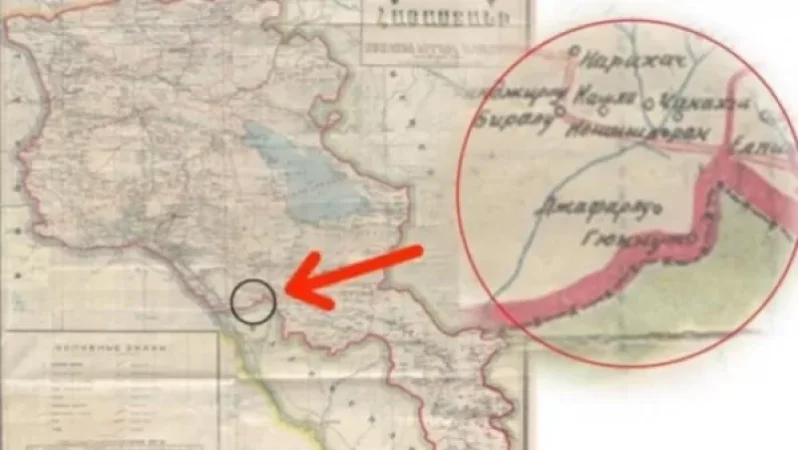
- Is the Public Television Council unaware that there is another Armenian village or enclave, the historic Genut, situated near Tigranashen that has its name originating from the evergreen tree of the hedgehog, and that it was part of Soviet Armenia? Even, for instance, in the 1926 map of the Armenian SSR, the village is shown as part of Armenia.
- Why is the belonging of villages discussed from the perspective of Azerbaijani state policy, based solely on the ethnic belonging of the population? Does the Public Television Council realize that the fact that a settlement is inhabited by representatives of a particular nation does not automatically imply that the territory belongs to the state represented by that nation?
- Why are the historical Armenian villages of Tavush, for example, Voskepar, which like in both 1918-1920 and during Soviet times belonged to the Barana region of the Ijevan province, portrayed unilaterally with the claim that they are 'Azerbaijani enclaves' and so forth?
- Why is there no discussion in the report about the dangerous consequences that may arise not only for the rights of people living in those villages but also for the rights and security of the entire population of Armenia if we proceed from the false claims that the discussed villages are Azerbaijani?
- Does the Public Television Council not understand that the term 'Azerbaijani enclave' signifies non-Armenian, hence Azerbaijani belonging of the territory, and if this question is resolved as such, hundreds of new internally displaced persons will arise, the living circumstances of border inhabitants will be endangered, and the free moving security of residents in Tavush and Ararat regions and generally in those areas will be jeopardized (as is already happening in Syunik)?
- On what basis is a draft document of questionable content regarding border demarcation and delimitation with Azerbaijan presented to public discussion via the broadcast of a government-established television company, the specific text and phrasing of which have not been published or officially approved by any state source?
- Does the Public Television Council understand that the media policy of Public Television is perceived as a state approach in international arenas, given that this television company is state-owned and established by the Government of Armenia?
- Does the Council understand that the report has generated credible evidence against the rights and interests of Armenia and its citizens?
'All of this occurs at a time when almost every day there are reports of gross violations of the rights of border residents from the Azerbaijani armed servicemen along the roads between communities neighboring Armenia's border, following the large-scale tortures and displacements of our compatriots as a result of the war from September to November 2020.'
'In conditions where residents are deprived of their own lands, pastures, and homes, and cannot freely use the roads, Azerbaijani servicemen periodically fire near the villages, kidnap and threaten shepherds, who are civil residents of Armenia. At the same time, when Azerbaijani authorities increasingly promote hatred and enmity, proclaiming strategic and political goals, including Yerevan, Lake Sevan, and Syunik.'
'Moreover, the report is broadcast under conditions where delimitation and demarcation works between Armenia and Azerbaijan have not even been carried out, nor can they be, as confirmed also by the Ministry of Foreign Affairs of Armenia. It is precisely these types of historically distorted representations, which blatantly ignore the rights and security of border residents, that are the clearly condemnable and unprofessional approaches that have deprived us for decades of legal grounds for defending the rights and interests of Armenia and its citizens, jeopardizing the security of Armenia's borders.'
'In conclusion, we suggest to the Public Television Council to keep in mind that if the Human Rights Defender expresses a public response regarding any issue, it means that there is substantial evidence behind it, and the problems are more numerous and well-documented.'
'The constitutional functions of the Human Rights Defender are to protect the rights of citizens of Armenia from the actions of state bodies by exercising appropriate oversight.'
'As the state-funded entity established by the Government of Armenia, and the Public Television Council, formed by the state, are directly under the oversight of the Human Rights Defender. Therefore, we demand from the Public Television Council to remain within the boundaries of its powers, maintain correctness, and not attempt to assess the issues regarding the implementation of the Human Rights Defender's powers.
'Thus, we are talking about the functions of the Human Rights Defender to protect the rights of citizens of Armenia, rather than transferring the issue into the domain of overtly exploitative arguments against the activities of the media.
'Therefore, the Human Rights Defender resolutely reaffirms the statement made on May 31 that the emphases of the May 30 report of Public Television directly contradict the rights of border residents of Armenia, who are already in a complicated situation. We firmly reassert that the political-mechanical formulation of 'Azerbaijani enclave' is unacceptable from a human rights perspective; it directly endangers the rights and security of the population of Armenia and first and foremost, the border residents.'
'Moreover, the Human Rights Defender draws the attention of the relevant authorities and officials of Armenia to the already dangerous statement made by the Public Television Council on June 2 and the May 30 report of Public Television to neutralize the attempts to use these in international forums against the rights and interests of citizens of Armenia. This is especially important since such a statement by the Public Television Council not only gave greater publicity to that report but also validated the 'credibility' of its dangerous emphases. While the Public Television Council addresses the previously raised questions, the Human Rights Defender expresses readiness to conduct training for the leadership of the Public Television Council and the Public Television's 'News' program regarding the characteristics of covering issues related to the rights of border residents of Armenia, including historical facts and lessons learned.'
Below are several examples of links from Azerbaijani public propaganda platforms that have addressed the May 30 report of Public Television:
Նմանատիպ հոդվածներ
The Bodies of Soldiers Delivered to Us Were Completely Covered with Maggots, Some Were Devoured by Wolves, Forensic Expert
Incident Likely Occurred on June 2: Details on the Viral Video
Armenian Units Did Not Shell Combat Positions in Azerbaijani Territory: Ministry of Defense
Soldier Killed Due to Violation of Firearms Usage Regulations: Ministry of Defense
Ավելին Society բաժնից
Կլինեն նոր բացահայտումներ, խուզարկություններ և ձերբակալություններ

Անչափահասների ծեծկռտուք Կոտայքի մարզում. կան վիրավորներ և ձերբակալված

Նոր սահմանափակումներ են առաջարկվում. 70 տարեկանը լրացած մարդկանց կարգելվի շահումով խաղեր խաղալ