Children's Rights Violated in Yerevan's Special School No. 11 Due to Ineffective State Policy: Ombudsman
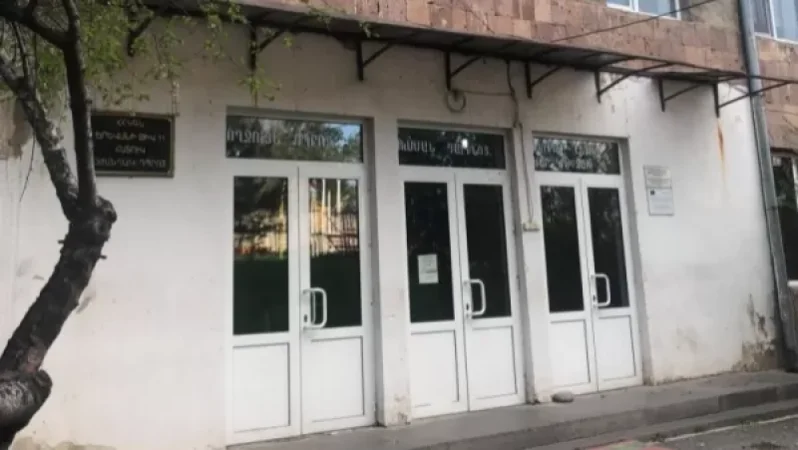
The Office of the Human Rights Defender conducted an unannounced monitoring visit to Yerevan's Special School No. 11 on April 13, 2021. This was reported by the Ombudsman's office.
Among the issues recorded during the visit were:
- According to the school's information, during remote learning conditions imposed by the COVID-19 pandemic, 14 children were excluded from education (at the time of the visit, 85 children were studying at the school). The school's administration reported that the main reason for this problem was the lack of access to internet connection and telecommunication means for the children. The school had informed the Ministry of Education, Science, Culture, and Sport of the Republic of Armenia in writing about this issue in June 2020 and proposed to make up for the missed material in the school in the new academic year. In November 2020, the school again approached the ministry proposing to switch to in-person learning, as remote learning was ineffective for the students. Notably, according to the school's information, the remote learning platform heravar.armedu.am does not take into account the educational needs of children with moderate and severe intellectual disabilities, and there are no accessible, suitable, and need-based educational and methodological materials available for them. The request to switch to in-person learning was also justified by the fact that the children are in the school around the clock and do not use public transport. According to the Office of the Human Rights Defender, the ministry did not respond to the school's letters.
- The team of specialists working at the school, including special educators, is insufficient to adequately guarantee children's right to education. On the day of the visit, the needs of 85 children requiring special educational conditions were being addressed by one music conductor, two psychologists, one social educator, two special educators, one speech therapist, and one therapeutic physical education instructor. Babysitters also assist in organizing the care of the children. Conversations with the school's staff and children indicate that the specialists are unable to perform their duties effectively. There are cases where a specialist working with one class has to assist another teacher in a different class during their lesson because the latter is unable to meet the educational needs or maintain discipline among the children on their own. Such cases were also observed during the monitoring by the Ombudsman's office. One reason for this is the low number of specialist positions in the school, especially for special educators, and there are no positions for teaching assistants specified by state standards for special schools. This is a systemic problem and negatively impacts the guarantee of children's and workers' rights. With an increase in specialists, it would also be possible to provide individual approaches for each child, revealing their development opportunities and real needs, thereby enhancing the effectiveness of their right to education.
- Training for staff is ineffective in terms of meeting the actual needs of the school and the children. The issue is that training is mostly conducted based on the standards and programs of general education institutions, which do not always align with the needs of special educational institutions. As a result, many issues and problems faced by the specialists remain unresolved during the training sessions. This is confirmed by conversations with the school's staff and discussions with the administration.
- During the visit, representatives of the Ombudsman's office conducted sampling observations of classes, individual interviews with children and specialists working at the school, and reviewed sample lesson plans, individual educational plans, personal files, psychological-pedagogical conclusions, and educational materials. As a result of this examination, it has been noted that the medical-psychological-pedagogical assessments of not all observed children correspond to their educational real needs and developmental capabilities. There were cases where children with severe intellectual disabilities were not engaged in the educational process. In some cases, the developmental potentials of particular children were clearly not utilized effectively, and the suggested exercises were superficial, serving merely as an occupation. For example, a child with developmental disabilities had limited letter recognition capabilities, knowing only 12 letters, according to documented records. However, representatives of the Ombudsman's office, including the expert psychologist's observations, indicated that the same child clearly had much greater capabilities and potential. In these cases, the children's right to education is not effectively ensured. The educational needs of individual children must be reassessed to provide a more targeted and needs-based educational service.
- It has been recorded that some children attend school primarily due to their families' social situations, and according to assessments by the Ombudsman's office, do not have educational needs for studying at the given school. There are cases when a family, facing difficult life circumstances and unable to meet a child's basic necessities, chooses a special school for the sake of organizing the child's care. This is also confirmed by individual interviews with the children and the school's staff. However, the state must ensure the real and effective assessment of the educational needs of children, as well as implement programs that enhance the social stability of families to eliminate cases of children attending special schools for social reasons.
- During the visit, it was noted that there were expired medications (No-Spa Hydrochloride 40 mg, expiry date: March 2021; Metoclopramide solution 2 ml, expiry date: December 2020). Although the medical staff assured that they are not in use, the presence of expired medications is unacceptable, especially when stored alongside medications within their expiration dates in open shelves.
- Medications, including psychoactive ones, are provided to children based solely on oral information from their parents, without prescriptions. This practice should be excluded. It is necessary to consistently verify which medications a child is provided, under whose instruction and prescription, and also to demand a prescription from the parent when it is required.
- The medical staff stated that annual seasonal flu vaccinations are conducted, for which parents are informed in advance and their verbal consent is obtained. However, this is not documented in writing. Therefore, it is impossible to verify whether the voluntary nature of vaccination and informed consent are guaranteed in cases where it is not possible to establish contact with parents. Seasonal flu vaccinations among at-risk groups are organized and conducted on a voluntary basis, which is an unacceptable practice in terms of effective vaccination process management. This must fundamentally be excluded, especially because legal representatives of the children are not always present.
- Both the toothpaste stocked and those used on the day of the visit were expired.
- The sanitary-hygienic conditions provided are inadequate. For instance, there was a very small distance between open containers of food and poisonous substances. This raises concerns about potential scenarios where a hazardous toxic substance could inadvertently contaminate the food supplies. At the time of the visit, there was a reddish mass resembling spilled powder in a sugar sack, which had been reported and subsequently removed by representatives of the Ombudsman.
- Bedding and part of personal clothing, including underwear, are not individualized. Furthermore, according to staff, the same clothing can be worn by different children after washing. This is unacceptable from both a sanitary-hygienic standpoint and in terms of respecting the dignity and privacy of the child.
- Butter and meat were stored openly, without packaging. In this case, the required conditions for food storage were not maintained.
- The frequency of dairy and fish offerings in the daily menu is not adhered to.
- The remuneration for the school's staff does not correspond to the volume of work they are expected to perform.
Some of the mentioned issues are systemic in nature, for which the state is obliged to take urgent and effective measures that genuinely guarantee children's rights, including the full realization of the right to education. Existing issues, including the provision of necessary educational materials, are primarily resolved through the conscientiousness of the school staff. The results of the monitoring are in the phase of summarization and the recorded issues will be forwarded to the Ministry of Education, Science, Culture, and Sport of the Republic of Armenia and the school's director with proposed solutions.
Նմանատիպ հոդվածներ
The Bodies of Soldiers Delivered to Us Were Completely Covered with Maggots, Some Were Devoured by Wolves, Forensic Expert
Soldier Killed Due to Violation of Firearms Usage Regulations: Ministry of Defense
Incident Likely Occurred on June 2: Details on the Viral Video

Gunfire Reported Towards Positions in Kut Community of Gegharkunik Province: Ministry of Defense
Ավելին Society բաժնից

Ինչ փուլում է Արթուր Ավանեսյանի (Կանդազի) գործը. «Ժողովուրդ»

Այսօր երեկոյան երկնքում ուշագրավ երևույթ կլինի
ՊՆ-ն չի կարող բնակարանից վտարել արցախցի զինծառայողին. փաստաբան