The Minister of Environment Speaks About Azerbaijan's War Crimes in St. Petersburg
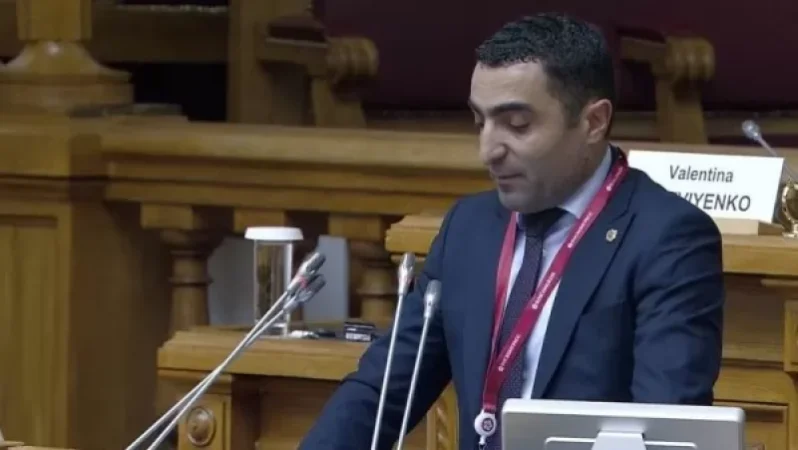
The Nevsky International Ecological Congress titled "Ecology of the Earth: Sustainable Development" has been held in St. Petersburg, Russia. The congress is organized by the Ministry of Natural Resources and Environment of the Russian Federation under the auspices of the Federation Council, with the participation of the Inter-Parliamentary Assembly of CIS member states. Established in 2008, the congress has gained high reputation over the years and has become a significant international platform in the field of environmental protection, recognized by the governments, parliaments, business, and scientific communities of the participating countries.
The acting Minister of Environment of the Republic of Armenia, Romanos Petrosyan, participated in the congress. Today, during the plenary session attended by high-ranking officials from the governments and parliaments of around thirty countries, as well as scientists-experts and leading international organizations, the session was moderated by the Chairwoman of the Federation Council of Russia, Valentina Matviyenko, and Deputy Prime Minister Victoria Abramchenko.
Acting Minister Romanos Petrosyan used this high-level platform and audience to once again highlight and draw the attention of the international community to the consequences of the aggression unleashed by Azerbaijan in September 2020. He addressed the war crimes committed against the people of Artsakh during the 44-day war and the humanitarian and environmental crises caused by the use of prohibited weapons.
During the war, Azerbaijani armed forces employed internationally banned cluster munitions, white phosphorus, and thermite-containing weapons against the people of Artsakh. Such actions have caused irreparable damage to the environment, leading to widespread forest fires and the poisoning of air, soil, water, and both flora and fauna.
Romanos Petrosyan also discussed the ongoing aggression and violations by Azerbaijan against the Republic of Armenia after the war’s conclusion.
Նմանատիպ հոդվածներ
Soldier Killed Due to Violation of Firearms Usage Regulations: Ministry of Defense
The Bodies of Soldiers Delivered to Us Were Completely Covered with Maggots, Some Were Devoured by Wolves, Forensic Expert
Gunfire Reported Towards Positions in Kut Community of Gegharkunik Province: Ministry of Defense
Armen Grigoryan: Azerbaijani Forces Must Leave Armenia's Sovereign Territory Before Delimitation Work Begins
Ավելին Society բաժնից
Ինչ փուլում է Արթուր Ավանեսյանի (Կանդազի) գործը. «Ժողովուրդ»

Այսօր երեկոյան երկնքում ուշագրավ երևույթ կլինի

ՊՆ-ն չի կարող բնակարանից վտարել արցախցի զինծառայողին. փաստաբան