Recognition of Genocide: Why Now, What Will It Bring, and What Are the Risks

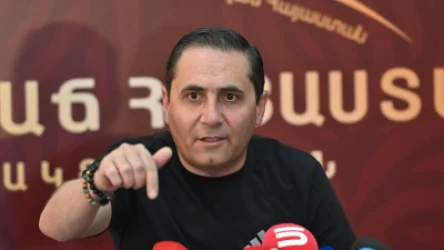
Political scientist Suren Sarksyan has addressed U.S. President Joe Biden’s recognition of the Armenian Genocide, analyzing why this is happening now, what it will bring, and what risks may arise.
Recognition: Biden’s acknowledgment of the genocide is a clear political assessment, which from today is considered the official stance of the U.S. on this issue. This is recognition and nothing more. This also serves as a basis for initiating legal processes, for instance, the prohibition of legislative denial or receiving compensation from insurance companies or frozen funds in American banks. However, this will not lead to any compensation, as Turkey has not acknowledged its guilt (consider the example of Germany and the Holocaust).
Did Reagan not recognize it? No, he did not. When speaking about the Holocaust, he referenced the genocide. But since 1982, this has not become the stance of the U.S. government. Times were different; the USSR existed, the claims were not as influential, and the history of the text written by Ken Khachikyan about Reagan is another topic.
Can another president retract this recognition tomorrow? Theoretically, yes, but it is highly unlikely and extremely complicated.
Why Now: Many try to link this to Syunik, but I have another perspective. This has not happened to gain something; it was done because something has already been taken from us. 1. For 30 years, the U.S. has insisted there is no military solution to the Nagorno-Karabakh issue. With Turkey’s intervention, Azerbaijan has pursued a military solution. 2. Turkish-American relations are at a historical minimum. 3. They are punishing Erdoğan (imagine what a gift this is for the Turkish opposition: we prevented recognition for 100 years, and it has happened because of you). 4. Erdoğan is being punished for Syria, Libya, the Mediterranean, the Kurds, Cyprus, Greece, and other issues (do you remember the ancestral saying “this matter is changeable in the hands of great powers”?). 5. The arrangement of the situation is very important. The U.S. interest is, of course, paramount. Turkey must be pressured. The U.S. is becoming more active in the foreign policy arena. Domestically, Turkey is viewed extremely negatively. All these factors create fertile ground for the community to work effectively, and the community is going on the offensive. Furthermore, the overall geopolitical environment is favorable.
Risks: Can Turkey become enraged and act aggressively? It always can. But here’s the following answer: This is a commitment from the U.S. president to his citizens—specifically to American Armenians. Armenia has nothing to do with this. The president made a promise to his voters and has acted on it. Americans did everything to ensure the decision wasn't shocking. Dozens of media outlets prepared for weeks, and Biden informed Erdoğan of his intentions. Actions in shocking situations are uncontrollable.
What Will It Bring Us: The ramifications of this are vast: from pressures on Turkey to precedents for working with other nations. This means that the Turks are recognized as a genocidal people by the number one superpower. The rest depends on our capabilities and diplomacy.
Նմանատիպ հոդվածներ
Onik Gasparyan's Statement: He Has Addressed the President of the National Assembly and Leaders of the Factions
When Will Pashinyan Resign? He Specified Deadlines
Russian Senator on Turkey's Future Actions After Biden's Recognition of Armenian Genocide
Aliyev Calls US President's Recognition of Armenian Genocide a 'Historical Mistake'
Ավելին Politics բաժնից
ԱՄՆ-ն ամբողջությամբ վերացրել Է Իրանի ծովային շրջափակումը
Մոսկվայի համբերությունն անսահման չէ․ ինչ կինի, եթե «կարմիր գծերը» հատվեն․ ՊՆ նախկին փոխնախարար
Իրանը պատրաստ է ռազմական գործողությունների. Ղալիբաֆ