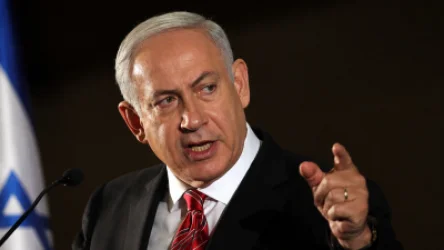
Advisor to Onik Gasparyan Reveals Insights

The military leadership of Armenia calculated all possible scenarios of future wars in Artsakh, but the political leadership and the state as a whole were not prepared for conflict, stated Vladimir Poghosyan, advisor to the former Chief of the General Staff of the RA Armed Forces, Onik Gasparyan, in an interview with Sputnik Armenia.
Poghosyan shared that when he took over as advisor to the Chief of the General Staff, various structures and models were created to help analyze potential scenarios accurately. Moreover, even before joining the armed forces, Poghosyan regularly provided the military with information and analysis.
“In December 2019, we met with the military leadership, and I said that the situation in the world would change radically from early January, and by November 2020, war in Artsakh would become inevitable. Most likely, that war would not be successful for Armenia. The fact is that we have lost time. The last 20 years were wasted for the country and the military; we did not advance in science and the economy. Armed forces cannot exist and develop separately,” he said.
Poghosyan noted that high-ranking officials in the military understood and predicted everything perfectly. He recalled Onik Gasparyan’s statement made on November 17, 2020, where he indicated that they had anticipated Turkey's active participation in a possible war even before the conflict began. According to the advisor, the General Staff predicted not only the course of the war but also the behavior of Armenia’s neighbors and international players.
“Everything was documented. I can assure you that we were not mistaken in any regard. Perhaps some do not like this now. They will shout about why we did not strike first, or why we did this or that. I must remind you that in a war, it is not just the armies that are involved, but the states. In our case, the state did not go to war. During the war, when I was traveling from Artsakh to Yerevan, I noticed that people did not understand the seriousness of the situation; I did not see the awareness in citizens of the capital that a heavy, bloody war was underway with Azerbaijan,” he added.
Poghosyan expressed that from the first days of the war, the internet should have been cut off, leaving it only for individuals and entities that needed it for national security reasons. However, this was not done. The internet played a cruel joke on Armenian society. Unlike Armenia, the internet in Azerbaijan was turned off for the population.
“Of course, the adversary's cyber units actively exploited this. While the entire Armenian nation was sitting on Facebook and YouTube, the Azerbaijanis were massively posting videos of torturing prisoners and killing civilians, and scenes of striking Armenian soldiers and equipment with drones. It is clear that all of this instilled panic and horror in Armenian society. And the conscripts, the reservists going to the front lines were already psychologically broken,” noted Gasparyan's advisor.
In response to a question about what specific measures the military proposed (referring to the pre-war period) to counter projected threats, Poghosyan recalled the law on the reserve army. This law was aimed at improving the mobilization system in the military sector and would significantly enhance the country's readiness for war. The law was proposed back in August of the previous year, discussed at various levels, but never adopted.
Poghosyan attributes the unpreparedness for war and its serious consequences to the political leadership's lack of knowledge, its unbridled ambitions, and the chaos in the governance system. The combatant is not only the army but also numerous accompanying phenomena, such as the economy, effective governance, military-political education, intelligence, and counterintelligence.
“In conditions of constant personnel turmoil and instability, when the country is literally shaken, and within a short time, 4-5 heads of special services change, and three chiefs of the General Staff replace each other, in addition to inexperienced ‘kids’ in the parliament, many of whom have not served in the army, it is difficult to build anything effective in such a country. Moreover, the military's capabilities and authorities are not limitless. The military has always fought, proved, explained, and proposed, but all of this has progressed at an incredibly slow pace,” said Poghosyan.
Speaking about the conflict between military personnel and the government, which resulted in the General Staff demanding the resignation of the government led by Nikol Pashinyan, Poghosyan noted that the hidden reason for this reaction was not the ambitions of the generals, but state security. The discrepancies accumulated over several months. The emotional decision to relieve former first deputy head of the General Staff, Tigran Khachaturyan, from his position, related to a scandalous comment, became the last straw.
For more details, visit the original source.
Նմանատիպ հոդվածներ
Citizens Gather Near Nikol Pashinyan's Residence Amid Heavy Police Presence
Full Text of Biden's Speech on the Armenian Genocide
Law Enforcement Raids the Apartment of Meghri's Mayor
Forging Documents Led to Different Route: What is the Real Reason for the Disappearance of the Armenian Registered Aircraft?
Ավելին Politics բաժնից

Հայտնի են Ֆրանսիայի նախագահական ընտրությունների օրերը. Մակրոնը չի մասնակցի
Ձուկ մականունով հայտնի Դավիթ Առաքելյանը կլքի իր պաշտոնը. «Ժողովուրդ»
Ալիևը հարցը հասցրել է ՄԱԿ. պահանջում է 300 հազար ադրբեջանցիների վերաբնակեցում Հայաստանում