What Drives Pashinyan to Continue the Chain of Human Life Interruptions? Tigran Abrahamyan
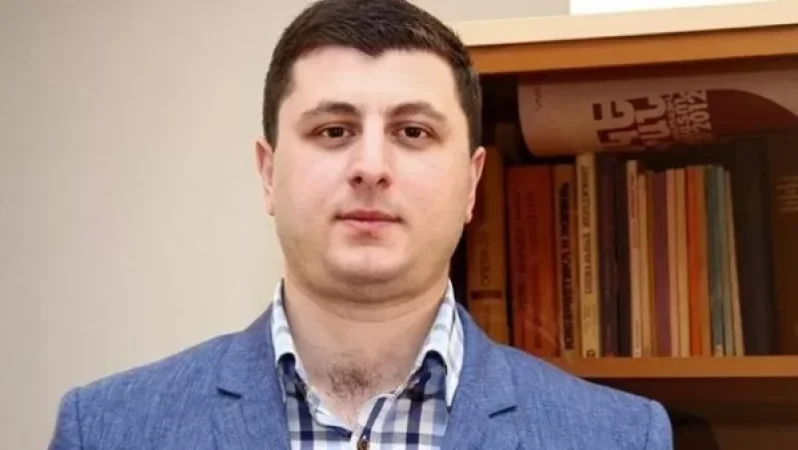
What drives Pashinyan to continue the chain of human life interruptions—from 4-5 thousand casualties in the war to just as many deaths from coronavirus? This question was posed by Tigran Abrahamyan, head of the 'Hanaket' analytical center and former adviser on security issues to the President of Artsakh, on his Facebook page.
The Ministry of Health has issued a report on the coronavirus situation in the country, its dynamics, prevention, and necessary measures. The release states that the reproduction rate of the virus (calculated over 7 days) as of March 16, 2021, is 1.48. This means that if safety protocols are not followed by both the population and businesses—especially mask-wearing in open and closed spaces, hand disinfection or washing with soap, as well as maintaining a social distance of at least 1.5 meters—approximately 6820 new cases of the disease will be recorded in the coming week. This number represents about 69% of those currently receiving treatment.
Professionally, I am very far from evaluating the ministry's recommendations and preventive measures, but as a citizen who observes the Prime Minister's frequent gatherings and meetings, at least one question arises: why is Nikol Pashinyan organizing large public events under these conditions? It would be naive to assume that he is unaware of this information. In light of that knowledge, by holding meetings with large groups of people, the Prime Minister is not only endangering people's health but is also creating a real risk of new human losses.
It should be noted that not only those standing beside him on the stages but also some of the meeting participants are without masks or are wearing them incorrectly, and I have not yet even mentioned social distancing.
What drives Pashinyan to continue the chain of human life interruptions—from 4-5 thousand casualties in the war to just as many deaths from coronavirus? Those who still support him should draw appropriate conclusions.
Նմանատիպ հոդվածներ

Ավելին Politics բաժնից

Քաղաքացին պետք է առնվազն 6 ամիս բնակված լինի Հայաստանում. Կոնջորյանը մանրամասնել է՝ ինչ է նախատեսվում

Որտեղ ում են ընտրել․ խորհրդարանական ընտրությունները՝ թվերով. «Հետք»

Կեղծ լուր է. Թրամփը հայտարարություն է տարածել