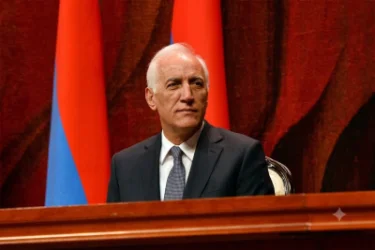
This bill is an imitation of the fight against gambling: Tigran Hakobyan, head of the RTRC

In an interview with "Aravot", the head of the Public Television and Radio Committee, Tigran Hakobyan, responds to questions regarding the draft law on amendments to the Law on Advertising. The government has introduced a bill that prohibits any form of advertising for gambling or online gambling, including via radio and television. Broadcasting organizations have already expressed their dissatisfaction, stating that such restrictions would deprive them of a significant portion of advertising revenue and put them on the brink of closure.
As the regulatory body in this sector, does the committee share these concerns?
"The COVID-19 pandemic and the war in Artsakh had already nearly collapsed the advertising market. In recent months, 20 to 35 percent of advertising revenues for television and radio companies have come from gambling advertisements. Essentially, these revenues have helped broadcasters survive. Therefore, if the proposed changes become law, it will indeed have very serious consequences, especially for broadcasters operating in the digital multiplex," he stated.
"Moreover, let me mention an important point. The new law imposes quite serious requirements for the content of television stations that use slot machines. For example, 20 percent of broadcasts must consist of public-benefit programs, such as children's, educational, cultural programs, and foreign films must be translated into Armenian. Complying with these requirements increases the production costs of programs and becomes an additional financial burden for television stations. Naturally, the broadcasting companies that participated in the competition planned their budgets considering the expected revenues from gambling advertisements. And just two months after granting licenses, the government, represented by the Ministry of Finance, is drastically changing the rules of the game. This is not how it should be done; it shows a disrespectful attitude toward broadcasters."
"But you cannot disagree that the spread of gambling negatively affects our country's socio-economic situation, causing issues such as loss of property, poverty, broken families, violence, and suicides. It is necessary to fight against all this."
"And who is against this fight? I can be more blunt; the gambling industry has become a plague, posing a serious challenge to the financial condition of thousands of families and their physical and mental health. Incidentally, the World Health Organization considers gambling addiction as a type of mental disorder, meaning that merely banning advertising cannot be effective. The fight against this evil requires institutional solutions, the development and implementation of serious state programs that should involve dozens of government agencies and society. Replacing that fight with a one-page draft law and a two-page very weak justification, in my opinion, is an imitation of that fight and I do not exclude the influence of interested lobbying groups."
"I note that radio and television can play a serious role in that fight by airing appropriate content and social media campaigns. However, I don't remember any government agency preparing and providing broadcasters with promotional materials aimed at fighting lotteries, betting, and other games. On the contrary, this draft law weakens the resources of broadcasters."
"Could it be that they are intentionally weakening resources? There are opinions that the draft law has a political subtext, and by reducing broadcasters' sources of income, there is an attempt to limit free speech and curtail harsh criticism aimed at the authorities."
"Even if such a goal exists, it is based on miscalculations. Those television and radio companies that operate as propaganda tools are largely funded by other sources. Even if all advertising is banned, those broadcasters engaged in propaganda will continue to do their work. The first to suffer will be the companies that view audiovisual service provision as a business. Let's not forget that sufficient advertising revenue is one of the guarantees for a media outlet's independence and freedom. By reducing such revenue, the state pushes the broadcasting media into the hands of political forces and owners who demand orders instead of serving the public interest. However, I do not think that the authors of the project had such an intention. I hope their goals are honest; the path chosen to reach those goals, to put it mildly, is flawed."
"What do you think is the right path?"
"I repeat, it is necessary to adopt a state program to fight against gambling (such programs exist in many countries), and the advertising ban should only be one component of that. This is a separate topic for discussion. As for advertising, a conceptual approach is needed here as well. It is crucial to develop the prioritization of steps to rectify the situation without causing further harm. First, we should tackle outdoor advertising. For example, the metro is filled with gambling advertisements—enter the 'Youth' station, where thousands of young people and students pass daily. Internet advertising also requires attention. Vulnerable groups are now online; they are placing bets and sourcing all information about gambling from there. Meanwhile, we should leave regulated media, which has legal obligations requiring financial resources toward the public, alone for the moment, establish transitional provisions, allow time for income diversification, and only after two years of adopting the law should we implement advertising restrictions. Lastly, I note a curious pattern: when making amendments or additions to laws regulating the media sector, initiators (whether from the legislative or executive body) often do not deem it necessary to consult in advance or organize discussions with the regulatory body. This could have helped avoid many mistakes. My friendly advice is not to ignore the functions and powers of the regulatory body enshrined in the Constitution and legislation."
Նմանատիպ հոդվածներ
Ավելին Politics բաժնից
Հուլիսին սպասվում են նոր աղմկահարույց ձերբակալություններ. ովքե՞ր են թիրախում. «Իրավունք»
Պետդումայից մեկնաբանել են Մեծ Բրիտանիայի վարչապետների հրաժարականները
Նիկոլ Փաշինյանը մտադիր է Գագիկ Ծառուկյանին սնանկացնել. «Հրապարակ»