Sumgait Atrocities Marked the Beginning of Violence Against Armenians in Ganja, Baku, Maragha, and Over 320 Armenian Settlements, Says Armenian Ombudsman
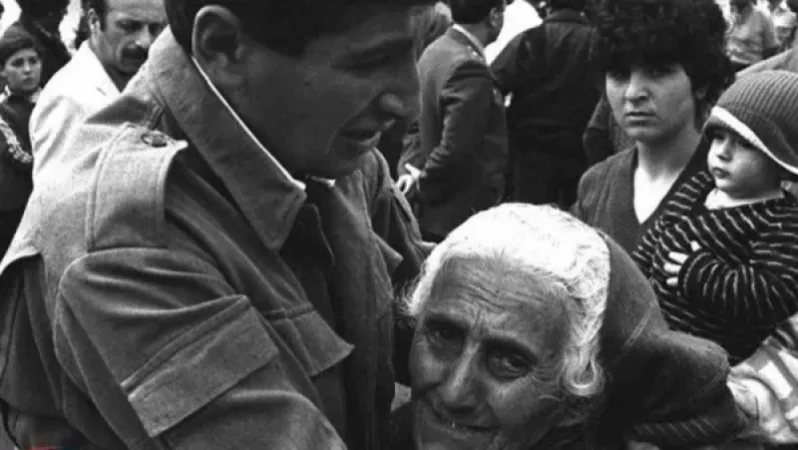
The Human Rights Defender of Armenia, Arman Tatoyan, has made a statement regarding the Sumgait massacres on his Facebook page, noting that today marks the 33rd anniversary of the mass killings of Armenians in Sumgait, Azerbaijan, from February 27-29, 1988.
1. The Sumgait atrocities began on the evening of February 26, 1988, immediately accompanied by killings, with Armenians being burned alive, maimed, and their homes and personal belongings destroyed.
2. This marked the start of widespread violence against Armenians that continued in Ganja (Kirovabad), Baku, Maragha, Shahumyan, and more than 320 other Armenian-inhabited cities and villages. In Ganja city alone, there were 45,000 Armenians living as of 1988.
3. In all these locations, there were gross violations of the rights of peaceful Armenian residents, who were brutally killed, including innocent children, women, and the elderly who were barbarically deprived of their lives, tortured, and some died under torture, their bodies subjected to humiliation. Thousands of Armenians were forcibly displaced from their permanent places of residence. Homes and personal belongings of peaceful residents were destroyed.
4. A couple of examples: from April 29 to mid-August 1991, the special forces of the Azerbaijani police (OMON) conducted Operation 'Ring,' resulting in the deportation of the Armenian population from the regions of Khanlar, Shahumyan, Hadrut, Shamkhor, Qazakh, and Getabek. On April 10, 1992, Azerbaijani armed units carried out the indiscriminate extermination of peaceful Armenian residents in the village of Maragha in the Martakert region, where the number of victims reached 57, mainly women, children, and the elderly, who were beaten, insulted, raped, mutilated, and burned, both while alive and after death.
5. Moreover, all this occurred under the impunity of paramilitary groups, and in some cases, with the direct involvement of law enforcement agencies.
6. The staff of the Armenian Human Rights Defender possesses reliable, including objective evidence, confirming all that is described.
7. It is established that the aforementioned atrocities occurred in response to the steps taken by the Armenians of Artsakh to defend their right to life, security, and other vital interests, and to restore their inalienable right to self-determination.
8. The evidence confirms that the mentioned atrocities against Armenians were committed solely on the basis of ethnic identity and were of a nature aimed at dispossession and extermination. This indicates that there is a policy of ethnic cleansing and genocide against Armenians, based on state-supported hatred towards Armenians.
9. The evidence shows that in the subsequent years, the state policy promoting hatred and enmity against Armenians gained new developments. The murder of Armenians and the systemic humiliation of individuals of Armenian descent were openly encouraged by the highest authorities in Azerbaijan.
10. A concrete example of this is the brutal murder of Armenian officer Gurgen Margaryan by Azerbaijani officer Ramil Safarov with an axe in his hotel room in Budapest during international training in February 2004. He was later handed over to Azerbaijan and subsequently not only released but also revered at the highest level.
11. In the case of 'Makuchyan and Minasyan v. Azerbaijan and Hungary' (Application No. 17247/13), the European Court of Human Rights noted in its 2020 ruling that the pardon and granting of concessions to Ramil Safarov in Azerbaijan, as well as the heroization of his act at the highest state level, were based on ethnic motives. According to the European Court, this was evidenced by statements from high-ranking officials who expressed their support for the act.
12. During the April 2016 and September-November 2020 wars against the population of Artsakh, the office of the Armenian Human Rights Defender recorded atrocities committed by the Azerbaijani Armed Forces based on ethnic identity, including brutal murders, torture of Armenian civilians and servicemen, and numerous cases of disrespect towards bodies. These were carried out by the Azerbaijani Armed Forces and involved terrorists, who recorded videos, cynically showing their faces as they decapitated Armenians or disrespected bodies, confident in their impunity.
13. Before and during these wars, anti-Armenian sentiment and the encouragement of the murder of Armenians continued with increased aggression. There are also reports based on objective evidence confirming this.
14. To this day, anti-Armenianism continues in Azerbaijan, with a state policy aimed at causing suffering to the Armenian public and playing with emotions, creating tensions. This is clearly evidenced by the capture of Armenian civilians and servicemen and their non-return for artificial reasons, the politicization of the issue, and making it a subject of bargaining.
15. Unfortunately, the disproportionate response of the international community, especially of international bodies with a mandate to protect human rights, to the described atrocities, and in many cases, their silence only contributed to the fact that the atrocities against Armenians in 1988 and anti-Armenianism not only did not cease but rather intensified and manifested in more brutal forms.
16. The Human Rights Defender of Armenia, personally and on behalf of his entire staff, pays tribute to the innocent victims of the Armenian massacres in Sumgait and other locations and emphasizes to the international community that the impunity for violations of rights and crimes leads to more gross violations, and even more brutal crimes in the future.
Նմանատիպ հոդվածներ
Were the New Governor of Syunik's Squad Members Involved in Stealing Livestock from a Kashatagh Resident?
Nine People Hospitalized from 'New City' Shopping Center in Dilijan, Including Employees
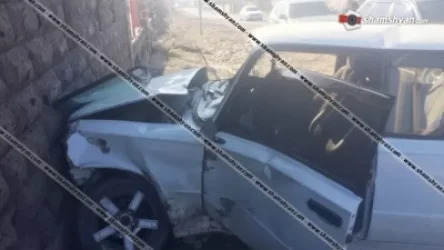
Car Accident in Zovuni: Toyota and VAZ 2101 Collide, One Driver Not Sober

The Army and the Armenian Nation Must Become Air Defense to Destroy This Unique Turkish Bayraktar: Arpine Hovhannisyan
Ավելին Incidents բաժնից
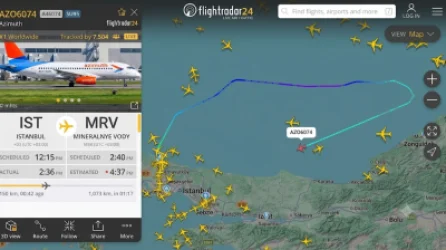
Ստամբուլից Միներալնիե Վոդի թռչող ինքնաթիռն աղետի ազդանշան է տվել
Դանակահարել են Ջրաշենի նախկին վարչական ղեկավարին ու ծնողներին. նրանք ծանր վիճակում են
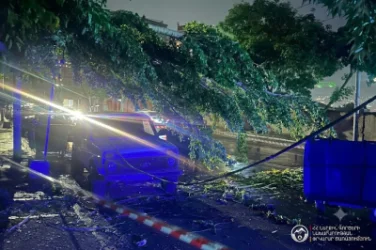
Ուժեղ քամին վնասներ է հասցրել Երևանում և Գեղարքունիքում