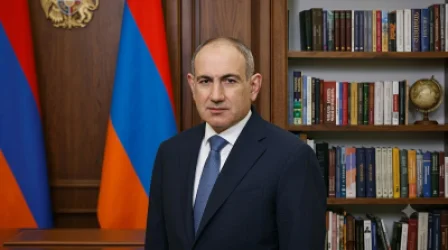
Science is the cornerstone for ensuring Armenia's long-term development. Nikol Pashinyan

Prime Minister Nikol Pashinyan chaired a consultation at the government headquarters where the prospects for the development of the science sector were discussed. This information has been provided by the Prime Minister's Office.
The consultation involved Deputy Prime Ministers Tigran Avinyan and Mher Grigoryan, Chief of Staff to the Prime Minister Arsen Torosyan, Finance Minister Atom Janjughazyan, Minister of Education, Science, Culture and Sport Vahram Dumanyan, Minister of High-Tech Industry Hakob Arshakyan, Chairman of the National Assembly's Standing Committee on Science, Education, Culture, Diaspora, Youth and Sports Mikitar Hayrapetyan, Deputy Chairman of the same committee Hovhannes Hovhannisyan, President of the National Academy of Sciences Radik Martirosyan, Chairman of the State Committee of Science Sargis Hayotsyan, and other officials.
Before starting the discussion, the Prime Minister noted, "As you know, the draft law on Higher Education and Science has been accepted in the first reading in the National Assembly. In this context, it is appropriate to discuss the funding mechanism for science in the Republic of Armenia. I want to emphasize that this is an opportunity, not a reason, because the fundamental issue has always existed. And especially after the second Nagorno-Karabakh war, it has become more evident that science, particularly natural and technical sciences, is the cornerstone that can ensure Armenia's long-term development.
There seems to be no significant debate here; the question lies elsewhere: how, through what mechanisms, and to what extent should scientific funding be ensured, so that it genuinely produces results and reaches those engaged in scientific work? And how to ensure that the work of our eminent scientists from the older generation continues efficiently and, after a certain journey, ultimately becomes applicable results?
This is indeed a serious and fundamental issue, and today we must try to propose solutions to this problem and hear what perceptions exist regarding such mechanisms and prospects for solutions. One thing is clear: we have reached a point where we need to make clear, articulated decisions and be confident in their future effectiveness.
Next, the existing issues in the field of science, its potential, environment, and development opportunities were presented. In this context, steps necessary for ensuring progress in various directions in the science sector, the involvement of modern technologies, the modernization of research infrastructure, the implementation of grant projects, and exchanges of experience with foreign partners were addressed. It was mentioned that cooperation projects are planned with partners from Russia, Belarus, Germany, Italy, France, Japan, South Korea, and other countries.
A series of proposals were presented regarding the above issues, and various observations were voiced. Summarizing the consultation, Prime Minister Pashinyan tasked the responsible parties with formulating a "Roadmap" for the development of the sector and an action plan by clarifying the financial needs. The head of the government instructed that the aforementioned works be carried out in cooperation with the National Assembly's Standing Committee on Science, Education, Culture, Diaspora, Youth and Sports, the Ministry of Education, Science, Culture and Sport, and the State Committee of Science.
Նմանատիպ հոդվածներ
The President Will Announce His Position on the Proposal to Dismiss Onik Gasparyan Within Three Days
What Circumstances Led to the Death of the Deputy Commander of the Artsakh Defense Army? Son Addresses Scandalous Information about His Father's Death
13 Years Since the Bloody Events of March 1
Russian Air Border to Remain Open for Armenian Citizens Until April 1st Inclusive
Ավելին Society բաժնից
Ռուսաստանում բարձրանում է հասարակական տրանսպորտի ուղեվարձը
Հատիկառհատիկ․ Նուբարաշենում 0.006 հա հողատարածքի նկատմամբ վերականգնվել է պետական սեփականությունը
Հայաստանի ժողովուրդը չի հանդուրժելու նոր բռնապետին. Հայկ Մամիջանյան