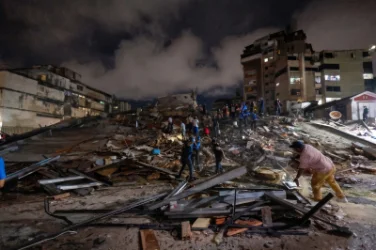
A Regular Dispute: Radik Martirosyan on Meeting with the Minister
Radik Martirosyan, the President of the National Academy of Sciences of Armenia, recently met with Minister of Education, Science, Culture, and Sports Vahram Dumanyan. They discussed issues concerning the sector.
ArmLur.am posed several questions to Academy President Radik Martirosyan:
– You had a meeting with the Minister. Did you discuss the section of the Higher Education Law that concerns the Academy?
– We discussed the law that is currently in the National Assembly, not just that section, but in fact, the part that relates to science and other education-related issues.
– Mr. Martirosyan, what are your grievances or what concerns you about the changes in the law?
– The way it is currently presented does not accurately reflect the current status of the Academy. It is related to the overall content of our system. Besides our Academy members, our system also includes our institutes. This is a shortcoming of the law that we are fighting against.
– Was the Minister supportive or against your suggestions? What was his position?
– Well, there are uncertainties regarding that issue. They say they will work to edit it a bit.
– We heard that there was a confrontation between you and the Minister, and you have disagreements. What is the issue?
– What confrontation? There was a regular dispute regarding one issue or another.
– So you did not have preliminary discussions before writing and discussing the law? You haven’t met with the Minister beforehand?
– First, we expressed our dissatisfaction in the commission that developed the draft law. A person from the National Academy of Sciences was not invited to that commission. I consider that a serious mistake because half of science in the republic is with us.
– Is it true that representatives from universities were present during discussions in the commissions, but there were no representatives from the Academy?
– What do they justify, why haven’t they ensured presence from all fields?
– They do not accept that they did not ensure it. They say they’ve given more freedom to other institutes that are currently operating. We insisted that these institutes do not have a lack of freedom.
– How do you evaluate the work of the newly appointed Minister? It seems there was significant dissatisfaction with the previous Minister. Can you work with the new Minister?
– Well, he has just been appointed. It is becoming easier to discuss and argue with him than it was with the previous Minister. I have only met the Minister twice.
– Can we say that you have reached an agreement with the Minister regarding your issues? Have they offered solutions?
– Not completely, but he promised that they will look into our suggestions again. Eventually, it will show how much it aligns with our expectations.
– It has been decided that the rectors of universities will henceforth be appointed by the Minister, who will select 3 candidates and ultimately choose one. Are you in favor of this provision? Do you not think it will become politicized?
– That method of selecting 3 people and then appointing one from them is an invention. I did that when I was the rector of a university from 1993 to 2006. At that time, when faculty deans were to be appointed, I concluded, after studying various approaches worldwide, that the academic collective of the faculty should nominate 3 individuals for the superior's consideration. The leader of the country appoints one of these three. This principle is being applied now, but in a very narrow way.
This is reported by the newspaper “Zhoghovurd”.
Նմանատիպ հոդվածներ
Ավելին Society բաժնից
Վենեսուելայի երկրաշարժից հետո կան վիրավոր և անհետ կորած հայեր
Ֆրանսիայում ռեկորդային շոգի պատճառով ատոմակայաններ են կանգնեցվում
Անահիտ Մանասյանն ընդունել է Անդրանիկ Թևանյանի իրավունքներին առնչվող հարցերը բարձրաձայնող անձանց