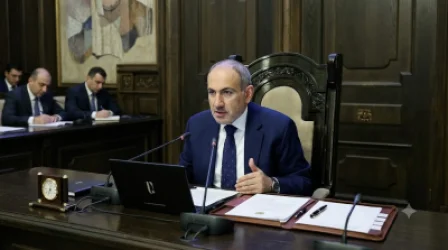
The Process of Determining Armenia's Borders Lacks Legitimacy, Says Human Rights Defender

The Office of the Human Rights Defender of Armenia has announced that the process of determining Armenia's state borders is not legitimate and is accompanied by gross violations of human rights. Today, the Human Rights Defender addressed the current chair of the OSCE, the UN and Council of Europe secretaries-general, UN and CE human rights commissioners, as well as the co-rapporteurs of the Parliamentary Assembly of the Council of Europe and OSCE, among other partners including several ombudspersons and their associations.
The letters state that the process of determining the borders between Armenia and Azerbaijan is being carried out under the explicit threats of war directed towards the entire population of Armenia by Azerbaijan. The President of Azerbaijan speaks about the Armenian people and the population of Armenia in terms of outright threats of ethnic cleansing and genocide, which is also reflected in the rhetoric of Turkey's president. The President of Azerbaijan and, in general, public figures openly insult the dignity of the Armenian people, inciting hostility based on ethnic affiliation (concrete evidence is attached).
As a result of all this, the process of determining borders in specific areas of Armenia's Syunik and Gegharkunik provinces has already led to gross violations of internationally recognized socio-economic [property rights, etc.] rights, and has seriously endangered people's lives, physical integrity, and other rights. It has disrupted the best interests of children living and growing up in a peaceful, violence-free environment. The security of Armenia's state borders has also been jeopardized.
This means that the process is accompanied by violations of the rule of law and lacks legitimacy. Therefore, it must be immediately halted or subjected to a fundamental review.
The letters from the Human Rights Defender of Armenia emphasize that the process of determining borders is based solely on internationally absolutely unacceptable mechanical approaches, including the use of GPS or Google private company map applications. There are no internationally established criteria taken into account. Professional approaches are completely absent, no commission work is being carried out, no preliminary inventory or assessment of people's needs is conducted, and there are no proper legal grounds.
Azerbaijani military personnel, i.e., armed individuals, are deployed in close proximity to the peaceful residents of Armenia or even within residential areas [for example, along interstate or inter-community roads in the enlarged communities of Goris and Kapan in Syunik, or dividing sidewalks right within residential areas].
There is no accessible and predictable timeline for the process of determining the state borders of the Republic of Armenia as enshrined in the trilateral statement of November 9, 2020, or any other document.
Due to all this, the unacceptable rapidity of the border-setting process and the lack of appropriate information directly related to the rights of border residents have led to uncertainties and unpredictable situations without any justification.
The letters from the Human Rights Defender record that any process concerning individuals must be founded on the rule of law and, therefore, on the internationally recognized [also constitutionally guaranteed within our country] rights of individuals. This is a fundamental principle of democracy.
It is evident that in the current conditions, the entire process of determining the borders of the Republic of Armenia undermines the foundations of the international human rights system and completely contradicts the very fundamental principles for which modern international law was established after the Second World War to guarantee human rights and peace.
Individual signed letters have been sent to each of the international organizations and partners according to their jurisdiction and detailed analyses.
Նմանատիպ հոդվածներ
Ավելին Society բաժնից
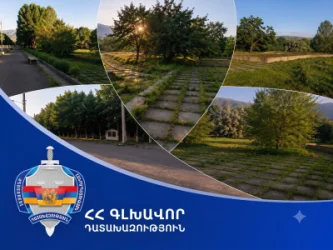
Դատախազական ներգործության արդյունքում՝ Սիսիան համայնքի «Մայիսի 28» զբոսայգում գտնվող՝ 0,13 հա մակերեսով չորրորդ հողամասը վերադարձվեց համայնքի տիրապետմանը

Սևաստոպոլում և Ղրիմում մտցվել է էլեկտրամատակարարման ժամանակավոր սահմանափակման ռեժիմ

Լեռնային Ղարաբաղից տեղահանվածների բնակապահովման ծրագրում նոր փոփոխություններ կան