Moscow Attempts to Prevent Bosnia's NATO Membership: New Diplomatic Scandal

Russian experts comment on the diplomatic scandal that erupted recently when Milorad Dodik, a member of Bosnia and Herzegovina's presidency, gifted Russian Foreign Minister Lavrov an ancient icon, which may have been stolen from the non-controlled territories of Donbas by Kyiv, as reported by VOA.
According to Dr. Yuli Nisnevich, a political scientist, the icon was transferred to Bosnia and Herzegovina illegally, allegedly by mercenaries operating among the Ukrainian Donbas separatists. Nisnevich states that almost no alternative explanations exist. “During the Bosnian War, many Russians fought on the side of the Serbs,” the political scientist recalls in an interview with the Russian service of Voice of America. “It is no secret that Serbs participated in military actions (against Ukrainian soldiers) in Donetsk and Luhansk. Mercenaries usually, often without realizing it, take anything that is poorly kept with them. One of them took advantage of the situation and stole the icon, which then appeared on the black market (in Bosnia and Herzegovina). In any case, it seems to me that there is no religious component here and there cannot be,” says Nisnevich.
According to international experts, several thousand volunteers from Russia and other CIS countries participated in the Bosnian War on the side of the Serbs. It appears that Milorad Dodik's circle was unaware of the origins of the icon, Nisnevich continues. Otherwise, he explains, this story would appear as a provocation. “On the contrary, this is a lack of diplomatic professionalism on both sides. If the Foreign Minister is presented with an icon that has a stamp indicating belonging to another state, that is unacceptable. While Dodik and his assistants may be somewhat excused for not knowing the foreign language, the acceptance of such gifts by Russian diplomats without checking is an unacceptable mistake that has led to an international scandal and dealt another blow to the country's reputation,” the Russian political scientist states.
At the same time, Nisnevich emphasizes that Moscow's interest in Bosnia and Herzegovina is understandable. The main factor here is to prevent this country’s integration into NATO and also to demonstrate that Russia is not as isolated on the international stage as it may seem, and that it still plays a significant role in the Balkans.
Նմանատիպ հոդվածներ
As of December 20, forensic examination has been conducted on the bodies of 3,248 fallen servicemen
Video: Six Missing Conscripts Return to Homeland
Defense Army Releases Names of 45 Soldiers Killed Defending the Homeland
No Enemy Military Equipment Approached Vorotan Settlement in Syunik Province: NSS
Ավելին Society բաժնից
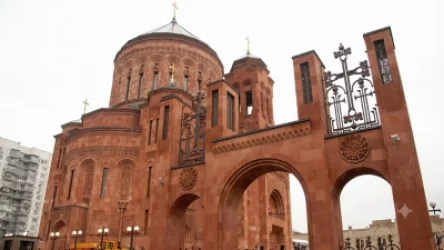
ՀԱԵ ՌԴ-ի և Նոր Նախիջևանի թեմի հայտարարությունը` վարժանքներին մասնակցող հոգևորականների մասին
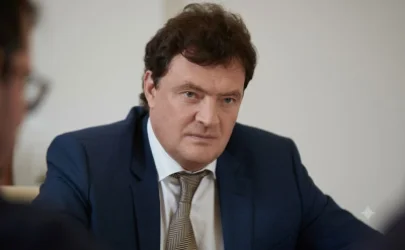
«Աէրոֆլոտի» նախկին ղեկավար Միխայիլ Պոլուբոյարինովը դարձել է քրեական գործի հետաքննության անձ

Իրանում ամբողջությամբ վերականգնվել է օդային երթևեկությունը