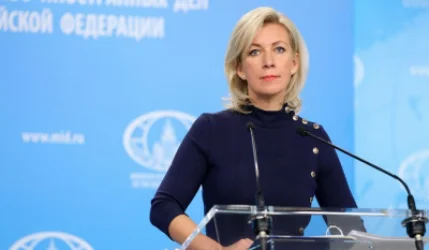
That Document Was a Forced Decision in the Current Situation: Artak Davtyan

168.am interviewed former Chief of the General Staff of the Armed Forces of Armenia, Lieutenant General Artak Davtyan, regarding the trilateral agreement signed for the cessation of hostilities, his dismissal from the position of Chairman of the Defense Industry Committee, and the current military-political situation in the country.
– Mr. Lieutenant General, what is your opinion on the document signed on November 9 regarding the cessation of war between the leaders of Armenia, Azerbaijan, and Russia? Did you see any other possible outcome?
– I don’t think there is any Armenian who would positively regard the provisions reflected in that document, however, at the same time, I believe that it was a forced decision in the specific situation we were in. I agree with the thought expressed in the message of the Chief of the General Staff of the Armed Forces of Armenia, Onik Gasparyan, that a choice was made between very bad and catastrophe. Yes, the question arises as to why the war was not stopped earlier. I do not have an answer to that question, as I do not possess sufficient information, but I should also note that the statement made by President Vladimir Putin yesterday regarding the possibility of stopping the war on October 19-20 is worth attention...
– What was the reason for your dismissal from the position of Chairman of the Defense Industry Committee?
– I submitted my resignation on November 10, which was signed on November 11, and I am not aware of why it was published late. As for the reasons for making such a decision, I will not comment while there is a state of war in the country.
– In recent days, many accusations have been directed at the Ministry of Defense, the Armed Forces, and personally at you, including from the Chairman of the Permanent Commission on Defense and Security Issues of the National Assembly, Andranik Kocharyan. What do you say about this?
– It is regrettable that an official who is supposed to support the Armed Forces makes such statements. I support the comments already made by the Ministry of Defense on this matter, I just want to add that Mr. Kocharyan is someone who has always hindered the Armed Forces rather than helping them, doing everything to prevent normal, constructive work – trying to interfere in personnel appointments, supplies, and the decision-making process. Having held the position of Deputy Minister of Defense for only a short time, he considers himself a major military figure, well aware of the country's security system. Thank God he did not have a higher position in the Ministry of Defense. And where was this person during these war days? If he is such a powerful military figure, why did he not appear in one of the hot spots of the war, or at least did not lead our troops from a distance of 10-15 km from the front line with his military knowledge and experience to prevent the retreat or defeat? He should have been at the front line, observing how the processes were unfolding, and guiding, considering the lessons of the April War, since he is the chairman of the investigative commission examining the circumstances of the April War. Now he talks about omissions? He studied the four days of April for a year, and several months after the conclusion of studies, the results of the commission's work have not yet been published. It’s interesting to know how long it will take for Mr. Kocharyan to analyze the 44-day war. I suggest that instead of making grand statements, Mr. Kocharyan presents what legislative initiatives he has undertaken that would enhance the combat readiness of the Armed Forces and contribute to the strengthening of our country's security. I don’t recall such an initiative; it doesn’t exist. Now I ask, Mr. Kocharyan, why did you do nothing to correct the shortcomings noted during the April War? Or is it easier to talk and hinder than to take effective action? I propose that my answers to the commission investigating the circumstances of the April War (the video recording without editing), as well as my meeting earlier this year in the National Assembly regarding the issues of casualties and suicides in the Armed Forces, be published. A lot will become clear; during those two meetings, I presented several issues related to legislative concerns, but no conclusions have been drawn to this day, and there are no preconditions for solving the problems. Let Kocharyan resign from his mandate before he speaks, of course, if he can still talk. And now let him not express an opinion on weapons procurement and the use of the Armed Forces, which he has no idea about. And in general, I would suggest that only those people who understand the moment, the current situation, and have a command of the situation speak about the Armed Forces. However, during a state of war, Mr. Kocharyan exhibits a high degree of irresponsibility by slandering the Ministry of Defense and the Chief of the General Staff and comparing the Armed Forces to squads and armed people. The Armed Forces are fulfilling their tasks even in this complicated and difficult situation – forming a new contact line and carrying out actions aimed at countering potential future Azerbaijani-Turkish actions, for which our country is not guaranteed. Now everything should be done to support the Armed Forces, not to denounce them.
– Mr. Davtyan, what has the Defense Industry Committee accomplished during your leadership and also during the wartime?
– When I took up the vacant position of the Chairman of the Defense Industry Committee, my team and I engaged in a large volume of work. There was and is much to be done. Firstly, we tried to correct previous shortcomings, coordinate efforts, and put things back on track. In the end, I occupied that position for only 2 months before the war began, and it was a colossal amount of work that we had already started. After the end of the state of war, if necessary, I will speak about domestic defense industry, its capabilities, prospects, and also about the local production of UAVs. Throughout the war, the entire staff of the Defense Industry Committee worked extensively, primarily ensuring the Armed Forces with the means that were produced or repaired in our country. I can mention that 40 types of 900 units of equipment have been repaired and returned to service. While working in the field, we had five injured from the outgoing groups. Additionally, beyond the tasks assigned to us, we tried to assist the Armed Forces in any way we could (around 50,000 medical, supply, food, and other materials were organized and coordinated for transfer to the relevant bodies). I cannot present many issues due to confidentiality factors.
– During the war, you took on the task of coordinating defense work in the Syunik region for some time. What functions were you performing, and did you successfully complete your work?
– I was in Syunik from October 18 until November 1, based on the tasks I received. I have already presented what tasks I accomplished in an interview with one of the media outlets during those days. I will not repeat the same thing, but I can assure you that I fulfilled the tasks entrusted to me, reported to the Prime Minister and Chief of the General Staff, and returned. Later, if I deem it appropriate, I will speak in more detail about the work I have done.
– Mr. Lieutenant General, our country is currently in a difficult situation and atmosphere; processes are taking place of which you are surely aware. In your opinion, what steps should be taken?
– We have suffered great and heavy losses; I express my condolences and wish patience to the bereaved parents and their relatives, and health to our injured soldiers. I simply ask and urge the public and individuals to support the Armed Forces during this difficult period, or at least not to hinder, and to the officer corps to perform their duties better and more responsibly than ever.
Նմանատիպ հոդվածներ
Ավելին Politics բաժնից
Մերցն ուղերձ է հղել Ռուսաստանին
Իշխանությունը «Մայր Հայաստան»-ի մասով պլան ունի. ի՞նչ են քննարկում. «Ժողովուրդ»
Վահագն Ալեքսանյանը՝ ադրբեջանցիների վերադարձի պահանջների մասին