A Case of One of the Most Dangerous and Rare Complications of COVID-19 Diagnosed in Armenia

At the St. Gregory the Illuminator Medical Center, a case of one of the most dangerous and rare complications of COVID-19, acute inflammatory demyelinating polyradiculoneuropathy, has been diagnosed and successfully treated by neurologists.
The Guillain-Barré syndrome primarily develops as a non-immediate complication of intestinal and respiratory infections, where a malfunction of the immune system damages peripheral nerves, causing increasing sensory disturbances and muscle weakness. This muscle weakness can progress over hours, potentially involving respiratory muscles (sometimes requiring artificial ventilation of the lungs), completely depriving the patient of mobility.
The patient, a 62-year-old man, had been treated at another COVID facility for 14 days. The syndrome had a very rapid course, and just hours after awakening and the first complaints, he developed severe muscle weakness in all extremities, making walking and self-care impossible.
At our medical center, Guillain-Barré syndrome was diagnosed, and treatment was initiated immediately with immunotherapy using human immunoglobulin. By the third day of treatment, the patient’s health condition had significantly improved, and after completing specific treatment and overcoming the coronavirus infection, he was transferred for specialized rehabilitation treatment.
Now, 20 days after the completion of treatment by our doctors, the patient practically has no muscle weakness, is fully self-sufficient, and continues rehabilitation treatment for complete recovery.
The St. Gregory the Illuminator Medical Center is the only one that has the capability for comprehensive diagnosis (EMG, nerve biopsy, and morphological examination, determination of myelin-specific antibodies) and treatment (machine-assisted plasmapheresis, immunotherapy, neuro-intensive care) of diseases in this spectrum.
Նմանատիպ հոդվածներ
18+. Video from the Northern Front of Artsakh: Alexander Kots
VIDEO: Public Television Host Breaks Down in Tears While Speaking About Victims
What fines will be imposed during quarantine and how much will citizens pay. The police present
187 New Cases of Coronavirus Confirmed in Armenia, 5 Deaths Reported
Ավելին Society բաժնից
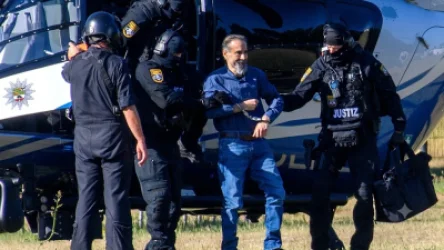
Գերմանիայում ցմահ ազատազրկման են դատապարտել Մագդեբուրգի սուրբծննդյան տոնավաճառի վրա հարձակված տղամարդուն

Դատախազական ներգործության արդյունքում՝ Վանաձոր համայնքի տիրապետմանն է վերադարձվել Հրանտ Մաթևոսյանի անվան այգու տարածքում գտնվող ևս 1 հողատարածք

Իշխան Սաղաթելյանը խոսել է պատգամավորական մանդատները վերցնելու որոշման մասին