Submarine Researchers at Lake Sevan Bring Human Bones to Shore
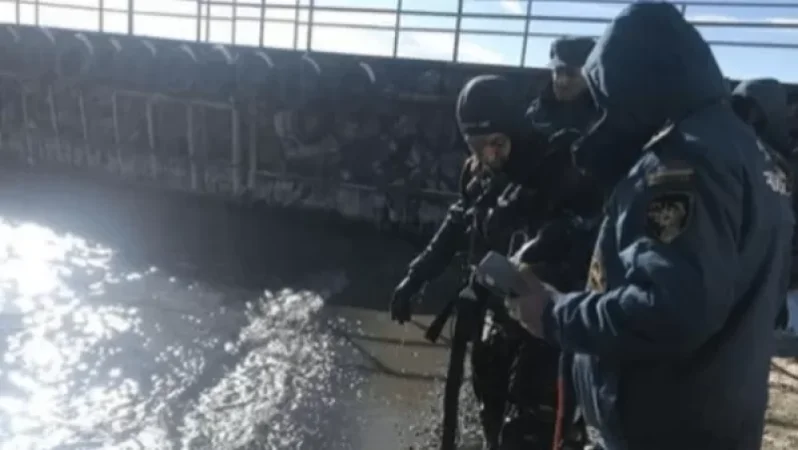
Submarine archaeological reconnaissance work has been conducted at Lake Sevan. Divers documented a preserved section of a sunken boat on the lakebed and removed several fragments to the shore. Externally, one of the fragments features a preserved tenon that does not resemble factory-made products; it is more likely the result of blacksmithing and may have a history of several hundred years.
As a result of the collaborative initiative between teams of archaeologists, geologists, and divers from the "ArmDiving" club, several human bones have been brought ashore, including a jawbone with preserved teeth, which, according to preliminary research findings, likely belonged to an adult male.
The expedition team previously conducted excavations at the "Artanish 23" cemetery, located near Lake Sevan, dating back to the 12th-6th centuries BC. Archaeological excavations were first carried out in the village of Artanish last year by the same team, where a grave was uncovered in both the "Artanish 29" and "Artanish 23" burial sites.
Discussing the project "Search for Hidden and Buried Archaeological Monuments Using Geochemical Methods" (led by Dr. Arshavir Hovhannisyan, a candidate of geological sciences), expedition member and anthropologist Hasmik Simonyan specified that this method is being used for the first time in Armenia. Previously, it was only utilized in England for mineral exploration. The mechanism is as follows: by analyzing a small soil sample, researchers can determine the type of metal or organic material that may be present beneath the surface in that area. A significant amount of phosphorus may indicate the presence of human or animal bone accumulations underground.
“Last year, using geological methods with soil samples taken from the site, geologist colleagues confirmed a phosphorus peak (accumulation); as a result of excavations, a grave was opened which likely involved a mass burial during that period. It’s notable that in the burial customs of that time, in addition to the deceased, accompanying goods were often placed within the burial chamber, such as ceramic pots (sometimes empty, in some cases filled with certain foods), various metal (gold, silver, bronze, etc.) luxury items including jewelry, beads, and in the cases of men, weapons, which have been quite well preserved,” added anthropologist Hasmik Simonyan.
As a result of excavations at "Artanish 23", the expedition team uncovered four graves, which contained human bones, pottery, and sardion beads. However, it is important to mention that one of the four graves excavated this year had been looted by treasure hunters early in the year. Therefore, archaeologists fully excavated the looted grave, revealing remnants of human bones, mixed fragments, and sardion beads on its floor and the surrounding disturbed soil. The work that began at the beginning of August was completed on the 25th. A full report on the archaeological work and its results will be presented by the team of archaeologists at a later date.
Նմանատիպ հոդվածներ

Young People Assault and Insult Traffic Police Inspectors in Cascade

Breaking News: Video of Panicked Drivers as Helicopter Flies Low on Yerevan-Artashat Road
According to preliminary data, individuals hospitalized have been poisoned by homemade alcohol: SPMH
Breaking: Fire at 'Proshyan Brandy Factory' Results in Two Fatalities and Four Injured
Ավելին Incidents բաժնից
Ուսուցչուհին ծեծել է աշակերտներին, ասեղով ծակել երեխաների մատները, քաշել մազերը
Արմավիրում մասշտաբային խուզարկություններ․ առգրավվել են՝ օդաճնշիչ հրացաններ, զինամթերք և թմրանյութեր
Ուժգին երկրաշարժ` Իտալիայում