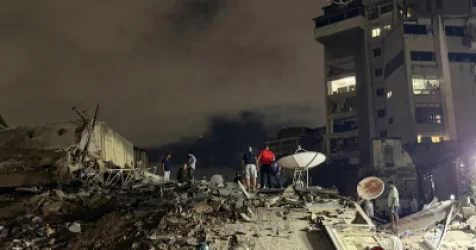
New Criteria for Armenian Studies Subjects Discussed in Commission

The Permanent Commission on Science, Education, Culture, Diaspora, Youth and Sport of the National Assembly continues its meetings with working groups developing subject criteria. During the recent meeting, the criteria for the subjects of "Armenian History" and "World History" were discussed.
Participants included members of the National Assembly, Deputy Minister of Education, Science, Culture and Sports Zhanna Andreasian, members of the working group developing the curricula and criteria for social science educational fields, and experts from the Education and Science Committee. The discussion was divided into two parts: technical-organizational and content-conceptual.
In the first part, questions were raised related to the selection of professional team members, organizing competitions, and mandatory requirements and conditions for participation in the competition. The second part was focused on content.
Based on the state educational standards for several Armenian studies subjects, including "Armenian History" and "World History," as well as the content and structure of these programs, the meeting addressed the following themes and inquiries in context:
- Necessity of new subject criteria and programs.
- What research or statistics were referenced?
- Key emphases of the new subject criteria and programs, their viability and measurability in the educational process.
- Outcomes, and comparison of existing and new criteria.
- Justifications for curricular changes, hours allocated to Armenian studies and social science fields in the new document.
- Addition of new subjects in the social sciences educational field as outlined in the state education standards and their programmatic-content themes, interdisciplinary connections.
- Comparison of existing and current subject programs.
- Principles for developing criteria for the subject of "Armenian History" at the third level of secondary education (high school), new teaching formats and methodologies: advantages and disadvantages of new education organization models, expected outcomes.
- The credit system being introduced at the third level of secondary education, the project-based teaching method, and teachers' professional-pedagogical freedom as a prerequisite and guarantee for a smooth transition from school to university.
- Evidence of plagiarism present in subject criteria: who is responsible, and what measures are being taken?
- Preservation of accurate chronology for the subjects of "Armenian History" and "World History" in the subject programs, simultaneous teaching.
- Logical continuity of program topics and presence of interdisciplinary connections.
- Degree of involvement of teachers in the process of refining normative education acts and accepting proposals, collaboration with the professional group.
- The teacher as a partner in the professional working group and as an informal member.
- Collaboration with the academic and teaching community during the refinement and proposal acceptance process: the degree of participation and cooperation with the professional group, the academic community as an advisor to the professional working group.
Other related issues were also discussed. As a result of the discussions, an agreement was reached to hold another meeting during the final refinement phase of the subject criteria. Suggestions and observations from participating members of parliament were also passed on to the professional group.
Նմանատիպ հոդվածներ
State of Emergency No Longer To Be Extended
Mask Wearing Not Mandatory for Certain Officials, According to New Decision by the Commandant
203 New Coronavirus Cases Registered in Armenia, 262 Patients Recovered
Drivers Will Be Required to Pay Road Fees; Reports in the Media Are False—Only Applicable to Vehicles Weighing 12 Tons or More
Ավելին Society բաժնից
Ռազմական ոստիկանությունն իրականացնելու է պարեկային ուժեղացված ծառայություն
Պայմանագրային զինծառայող է մահացել. նախաձեռնվել է քրեական վարույթ. ՔԿ
Ձերբակալվել է Գյումրիի համայնքապետի նախկին մամուլի խոսնակը