What Really Happened in April 2016: Former Spokesperson of the NKR Defense Army Shares Details
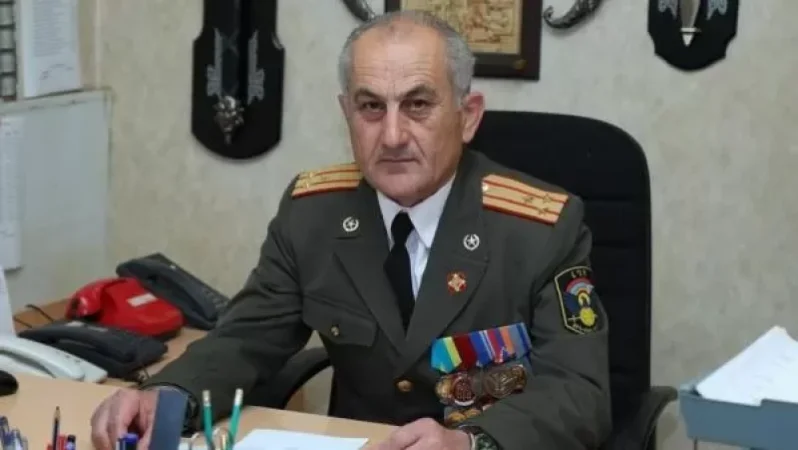
Former spokesperson of the Artsakh Defense Army Senor Hasratyan has responded on his Facebook page to discussions regarding the April events. "I don’t know how it is for you, but for me, and probably for many others, it has already become unbearable to listen to public comments and conclusions regarding the April Four-Day War of 2016. Perhaps it is especially unbearable for those who stood in the trenches defending the front line during those days and continue to faithfully fulfill their military duties today. They have never spoken about it and, I am convinced, will not speak. However, I have decided to speak and present what I have already articulated in the concluding section of my work titled 'The April Four-Day Confrontation', published in 2017. Although it is a bit lengthy, please try to read it to the end and judge for yourselves what really happened in April 2016.
CONCLUSIONS
From April 2 to 5, the intense combat operations conducted under direct contact conditions between the Armenian and Azerbaijani armed forces and the subsequent active shootouts with firearms, artillery, and tanks that continued until the beginning of May showed that Baku was not only unprepared to reconcile with the defeat it suffered in the First Karabakh War and the realities that resulted from it, but also, relying on its accumulated military power over the years, attempted once again to resolve the issue by force.
About 22 years after the trilateral agreement reached around the establishment of a ceasefire in the conflict zone, the Azerbaijani military-political leadership launched a large-scale attack, deploying almost all modern armaments and equipment at its disposal, including those that are prohibited by international conventions, such as the 'Smerch', 'Kasirga', 'Uragan', 'GRADLAR' multiple launch rocket systems, 'TOS-1A' (Solntsepek) heavy flamethrower system, Israeli-made attack and reconnaissance drones (UAVs), 'SPIKE' type anti-tank guided missiles, 'MI-24G' attack helicopters, and more. However, as a result of engaging such forces and means, the adversary was unable to achieve even the minimum tasks set before them.
Summarizing the results of the Four-Day War and the developments that followed, it can be undoubtedly noted that if the Artsakh army once again emerged honorably from the confrontation forced upon it, the Azerbaijani side, except for some insignificant 'achievements', found itself in an unenviable state once more. To convince ourselves, let us first outline the range of problems for which the official Baku resorted to a large-scale attack.
Analysis of the April confrontation makes it clear that, undertaking such an adventure, the Azerbaijani military-political elite aimed to resolve the following issues: (a) using the quantitative and tactical-technical advantages of its own military strength, to launch a surprise attack and change the deployment of troops in the main directions of the contact line in its favor; (b) to achieve tangible success on the battlefield and use it as leverage to put pressure on the Armenian side in the negotiation process while simultaneously showing the relevant international organizations that the 'status quo' is unacceptable for Azerbaijan; (c) to instill confidence among its public in the Azerbaijani leadership's fabricated statements about the liberation of 'occupied territories' for years; (d) to divert public attention from the difficult financial and economic situation created within the country by using military operations; (e) to practically test the organization of command and interaction of its own troops, as well as the preparedness of accumulated weapons and technology, including new samples, in combat conditions; (f) to check the preparedness of Armenian forces and the coordinated actions in the implementation of large-scale military tasks; (g) to inflict maximum casualties on Armenian forces through the operational use of advanced artillery and aerial attack means, aiming to instill panic among the 'enemy' while simultaneously boosting the combat and moral-psychological state of its own armed forces and shake off the defeatist mentality inherited from the last war,” he wrote.
Hasratyan concludes: (a) Azerbaijani large-scale aggression ended with a complete failure of the adversary's pre-planned actions; (b) the Republic of Artsakh once again reaffirmed its determination to defend its right to exist freely and independently at any cost; (c) the atrocities committed by the adversary during the April Four-Day War reinforced the belief in a wider international community that peaceful coexistence of Artsakh within Azerbaijan is not only unfeasible but impossible.
The full post is available on the former spokesperson's Facebook page.
Նմանատիպ հոդվածներ

State of Emergency No Longer To Be Extended

203 New Coronavirus Cases Registered in Armenia, 262 Patients Recovered
Mask Wearing Not Mandatory for Certain Officials, According to New Decision by the Commandant

In Which Cases Can a Student Not Attend School: Guidance from the Ministry of Education and Science
Ավելին Society բաժնից

«Մուլտի գրուպ» -ի աշխատակիցները չեն հեռանում․ կառավարությունից սպասում են վճռորոշ պատասխանի
ԲԱՑԱՌԻԿ ՏԵՍԱՆՅՈՒԹ․ Կիլիկիայում հնչած կրակոցներն ու «ռազբորկան» տեսանկարահանվել է
Իրանում մահապատժի են ենթարկել «Մոսադի» հետ համագործակցելու մեջ մեղադրվող երկու տղամարդու