False Information Included in the Registries of 'Gyumri' Medical Center Regarding Surgeries
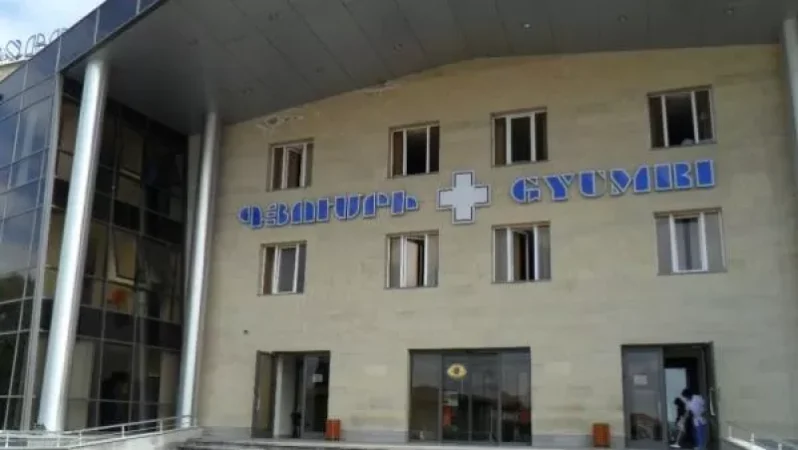
Under the procedural guidance of the Shirak Regional Prosecutor's Office, data has been obtained in the criminal case investigated under Article 214, Part 1, Article 325, Parts 1 and 2, and Article 178, Part 2, Points 1 and 2 of the Criminal Code of Armenia, indicating that a group of surgeons from the 'Gyumri Medical Center' LLC performed various types of surgeries at different times but included evidently false information regarding the types and costs of these surgeries in the registries. As a result, significantly lesser amounts than the actual cost of the surgery were entered into the company's cash register. This was reported by the Prosecutor's Office.
The surgeons allegedly defrauded patients and the state by demanding and receiving the full amount stipulated for paid services from patients without their knowledge and falsifying their medical records and other documents. They specifically documented surgeries as urgent services provided within the framework of co-payment and created false contracts regarding this.
Consequently, the only amount recorded in the medical center’s cash register from the amounts collected from patients was the co-payment amount set at 50,000-65,000 AMD, while the remaining sums due for patient treatment were documented as transfers from the state budget to the medical center’s bank account. Through this method, a total of 1.8 million AMD was fraudulently misappropriated from both the state and patients.
Based on sufficient evidence obtained during the pre-trial investigation, charges were brought against a group of doctors at the mentioned medical institution under various points of Article 178, Part 2 of the Criminal Code, and in some cases, also under Article 325, Part 1. Some of the charges subsequently resulted in non-reproachable terms due to the application of amnesty acts, expiration of the statute of limitations, and sincere remorse, while others were dropped for lack of criminal composition, considering the circumstances of damage restitution. Nevertheless, the investigation established that the employees and doctors of the medical center, taking advantage of the lack of oversight in the field, were able to commit the aforementioned criminal acts.
This was also facilitated by the fact that citizens receiving medical assistance were unaware of their rights and lacked adequate information regarding the procedures for obtaining free or preferential treatment set by the Government of Armenia.
Thus, due to the lack of proper oversight concerning the registration of patients, the documentation process related to treatment, the familiarization of preferential patients with their rights and obligations, the signing of contracts, and the registration processes, favorable conditions were created for misinforming individuals and abusing their trust.
In light of this, a proposal has been submitted from the Anti-Corruption Department of the RA Prosecutor General's Office to Shirak Regional Governor T. Petrosyan, highlighting the necessity to discuss these circumstances with the heads of medical institutions under the jurisdiction of the regional administration to eliminate similar cases. It emphasized improving control over patient registration, treatment-related documentation, and contract signing, as well as ensuring proper public awareness of the terms for receiving state-guaranteed free and preferential medical assistance.
According to a letter received from the Shirak governor, the proposal has been discussed in the regional administration, and the directors of healthcare institutions providing hospital care were instructed to ensure that cash registers operate around the clock. They were also tasked with providing informational leaflets to patients in need of state-guaranteed free medical assistance. Additionally, procedures were mandated to ensure that patients receiving paid and preferential treatment, as well as their relatives, are informed about their rights, obligations, and treatment conditions as stipulated in contracts, and to make templates of the contracts accessible.
Նմանատիպ հոդվածներ
Ավելին Incidents բաժնից
Ուսուցչուհին ծեծել է աշակերտներին, ասեղով ծակել երեխաների մատները, քաշել մազերը
Արմավիրում մասշտաբային խուզարկություններ․ առգրավվել են՝ օդաճնշիչ հրացաններ, զինամթերք և թմրանյութեր
Ուժգին երկրաշարժ` Իտալիայում