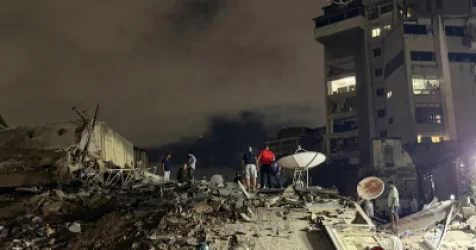
In the Last Month, Hostilities Have Intensified Towards Artsakh

Presented is an article by Tigran Abrahamyan, head of the Analytical Center "Henaket" and former adviser to the President of Artsakh on security issues, in which the author analyzes the dynamics of ceasefire violations towards Artsakh over the past month.
The weekly summary reports from the Defense Army regarding the number of violations and shots fired by the adversary demonstrate a concerning trend of increase during the past month, specifically during the post-war period. Firstly, it should be noted that there were two weeks in the last month when an unprecedented number of shots fired towards the combat positions of Artsakh was recorded—6000. I find it difficult to recall when such a figure was last recorded, but I cannot remember a similar occurrence within the last three years in just one month over two weeks.
On July 18, the Defense Army reported in its weekly summary that between July 12 and 18, there was an uptick in ceasefire violations by the adversary. During this period, the adversary fired approximately 6000 shots towards Armenian positions. This period was also marked by the Defense Army Air Defense units shooting down an adversary “ORBITE-3” type drone conducting reconnaissance missions in the northeastern direction.
From July 18 to 25, in the contact zone between the Artsakh and Azerbaijani armed forces, the adversary violated the ceasefire regime over 260 times, firing approximately 2300 shots towards Armenian positions with various caliber firearms. While 2300 shots is considerably lower than 6000, it is higher than the year's average rate.
The Defense Army noted that from July 26 to August 1, the adversary violated the ceasefire regime more than 170 times, firing around 1700 shots towards Armenian positions with different caliber firearms. Meanwhile, from August 2 to 8, the adversary violated the ceasefire regime over 300 times, directing approximately 2800 shots towards Armenian positions. This indicates a sharp increase in shots over a one-week period by 1100.
Initially, it seemed that the increase in shots was due to active flights of Azerbaijani drones and operations in Tavush, which contributed to rising tension at the front. However, in the second decade of August, when no military operations or provocations were underway in Tavush, the number of shots towards Artsakh again increased.
Last week, from August 9 to 15, the number of shots recorded towards Artsakh again rose to replicate the figures seen during the military operations in Tavush. The Defense Army reported that during this period, the adversary violated the ceasefire regime approximately 300 times, firing more than 6000 shots towards Armenian positions with various caliber firearms.
What is causing the increase in ceasefire violations and shots fired? Firstly, this is indeed associated with the military operations in Tavush and its outcomes, which have evidently unsettled Azerbaijan and driven them into erratic movements and mostly non-targeted firing during this phase.
Furthermore, it is noticeable that Azerbaijan is attempting to formulate its strategy for the upcoming period, especially through joint military exercises and military-political consultations with Turkey, but the results of these efforts will become evident later.
Moreover, it cannot be excluded that the recent events of the past 2-3 weeks have also been influenced by Turkish-Azerbaijani joint exercises. While these exercises have not predominantly taken place in close proximity to the border, increases in tension and shots fired have been recorded in previous instances during such exercises.
This perspective is also difficult to categorically dismiss. Thirdly, the stalemate created in the negotiation process pushes Azerbaijan toward its traditional modus operandi—continuously maintaining tension at the front through ceasefire violations.
Regrettably, it should be noted that the existing military-political situation in the region, the context created in the negotiation process, the current political conduct in Azerbaijan, and the destabilizing influence of Turkey suggest that we will not witness a de-escalation in the upcoming period. Furthermore, new events at the front may develop, leading to various provocations and actions.
Նմանատիպ հոդվածներ
Higher Education Institutions Will Also Open Their Doors: Araik Harutyunyan
38 New Cases of Coronavirus Confirmed in Armenia, 7 Deaths Reported
Students Will Attend Classes with Masks, School Will Be 6-Day: Araik Harutyunyan
Russia May Open Borders with Armenia and Several Other Countries from September 1
Ավելին Society բաժնից
Ռազմական ոստիկանությունն իրականացնելու է պարեկային ուժեղացված ծառայություն
Պայմանագրային զինծառայող է մահացել. նախաձեռնվել է քրեական վարույթ. ՔԿ

Ձերբակալվել է Գյումրիի համայնքապետի նախկին մամուլի խոսնակը