Tension in National People's Congress Meeting as Beijing Aims to Ban Protests in Hong Kong
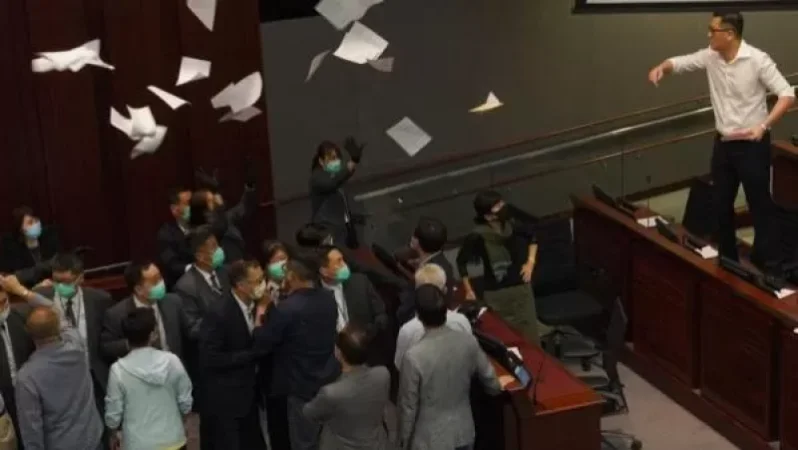
Members of the European Union are concerned about the situation in Hong Kong and dissatisfied with Beijing's actions. They have watched on television and online as pro-democracy politicians were violently removed from a meeting of the National People's Congress.
They have protested against China’s intention to tighten security measures in the Special Administrative Region and ban protests. The Hong Kong opposition sees this as a violation of the principle of 'one country, two systems.'
A spokesperson for the EU's Foreign Affairs Ministry wrote on social media, 'We are closely monitoring developments in Hong Kong. We attach great importance to the principle of “One Country, Two Systems.”' Legislators have condemned Beijing's plans. The German Greens have called the spokesperson's statement 'timid.' Reinhard Bütikofer tweeted that Hong Kong will remain an important financial center if Beijing disregards its autonomy.
Belgium's liberal Guy Verhofstadt wrote, 'China intends to eradicate the remnants of democracy in Hong Kong.' Brussels is addressing Beijing with rather clear warning rhetoric. However, the EU has not yet clarified what practical steps it will take to support Hong Kong, or whether it is prepared to risk its relations with China.
It is worth noting that China intends to enact a law against rebellion and separatism at the National People's Congress, which had suspended its work due to the coronavirus pandemic but resumed on Friday, adding a draft law on 'Improving the judicial system and implementation mechanism in Hong Kong,' which establishes responsibility for 'rebellion, separatism, and treason.'
According to Hong Kong’s Basic Law, effectively its constitution adopted in 1997 when Hong Kong was handed over from Britain to the PRC, Beijing is granted such rights, but until now, Chinese authorities had not resorted to them.
Supporters of democratic values in Hong Kong view this step as yet another attempt by the Chinese Communist leadership to limit local freedoms. In 2003, an attempt to pass the 'Anti-Subversion Law' in Hong Kong’s legislature failed due to mass protests involving up to half a million people.
Washington has reacted sharply to this information, promising to take harsh measures if this law is adopted. Information from euronews.com.
Նմանատիպ հոդվածներ




Ավելին Incidents բաժնից

Ուժեղ կարկուտից երիտասարդ նախրապանը ծանր վնասվածքներ է ստացել

7,4 մագնիտուդ ուժգնությամբ երկրաշարժ է տեղի ունեցել Մեքսիկայում

ՏԵՍԱՆՅՈՒԹ․ Բացառիկ կադրեր՝ Երևանի խոշոր վթարից․ մեքենաներից մեկը հրաշքով փրկվեց