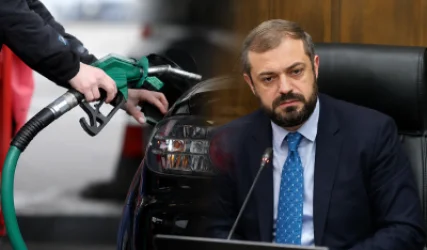
The Army Is Not a Place for PR; It Is the Backbone of Our Country's Security: Vanyan

The former director of the NSS, Arthur Vanyan, addressed the losses recorded in the army during an interview with Aravot.am.
“– Mr. Vanyan, the year started with a concerning series of murders and suicides within the armed forces, to which the authorities have yet to respond appropriately. The society is very tense, demanding the identification and punishment of those responsible and taking steps toward the rehabilitation of the army. As someone with long-term experience in a closed security system, who is also one of our new generation generals, could you present your perspective on the causes of today’s situation and possible solutions?”
“– First, allow me to make a request to everyone who currently has the opportunity for public speech. The topic of losses in the army requires us all to be restrained and to approach the issue with great responsibility. No matter how strong the emotions are or how heavy the grief may be, I urge everyone, I implore everyone, not to indulge in emotions in their public speech. Furthermore, I call on everyone not to exploit this topic for any narrow personal or political interest. Unfortunately, such trends can be observed. This is not only immoral but also directly related to the security of our state.”
“Regarding the causes: it is clear that the format of public speech does not allow me to speak openly about certain circumstances. I am confident that the army's leadership is aware of the problem and will do everything possible. At the same time, I would like to note the main circumstance that determines the developments within the army: it is the atmosphere created in the country. They say the army is a reflection of society, and the atmosphere prevailing in the army is a mirror-like expression of the atmosphere within society.”
“The internal atmosphere of a society that is divided, constantly searching for internal enemies, artificially separating the ‘old’ from the ‘new’ quickly finds its way into all systems, including the army. It is entirely understandable and justified that the society demands the identification and punishment of those responsible. However, it can be extremely dangerous and unpredictable to direct this massive wave of public outrage toward the army's command, officers, and sub-officers without proper and sober investigation. We have a professional officer corps, the majority of whom are true patriots. Problems must be studied while avoiding generalizations and extremes as much as possible. Acting carelessly can cause significant harm just to calm people down at the moment.”
“– How does that atmosphere reach the army?”
“- Apart from direct human and media channels, there are also actions born from the atmosphere that directly impact internal army life and relationships. The army is an institution with institutional memory, a continuously improving system where experience and modernization are unifying and complementary principles. I can mention certain examples that seem to be occurring outside of the army—in public life—yet directly influence the internal atmosphere of the army. The activities of the April War commission negatively affect the internal atmosphere of the army. Real commanders, serious career officers—with significant biographies—today are forced to be accountable before those who have no understanding of the army or the armed forces. This, too, is a slow-acting bomb of moral decline within the army.”
“There are systems that require diagnosis and treatment while avoiding social media interventions as much as possible. Serious, systemic illnesses are treated by specialists, not by folk medicine. Continuous and targeted work must be done with representatives of civil society and experts in the field of human rights toward the rehabilitation of the internal atmosphere of the army, but at all costs avoiding cheap social media involvement. The army is not a place for PR; it is the backbone of our country’s security.”
“Another crucial point: deserters must not be allowed to enter military units, even if they are now ministers or deputies. It is extremely difficult for commanders of the real military when those who have evaded military service stand before the troops, calling for heroism and service to the homeland, giving lessons. Such things have happened in the past, and my attitude toward it has always been negative. The army should never be used for personal PR.”
“Another crucial aspect: it is impermissible to devalue and conduct targeted campaigns against the generals of Artsakh, creating conspiracy theories around their names. Many of them are individuals who have won wars, ensured peace, and have serious biographies—they enjoy real authority in the actual army, in real military units. When you break down that institute of authority, a creeping state of ungovernability arises. This is very important to understand. This happens in all armies. (Of course, in all sectors, including the army, there have always been and will be unscrupulous personnel, but we cannot generalize the specific cases of one or two individuals for the entire system, especially when it pertains to a well-established structure like our army.) And finally—the most painful: we must not drive a wedge between Armenia and Artsakh; that is solely the dream of our adversary.”
“Today, soldiers and officers from all corners of Armenia and Artsakh are ensuring our peace. This is the guarantee of our collective security, and these are not merely words. I urge once again to be extremely careful in any public expressions. There are personal tragedies behind every case, but there is also a collective problem that must be understood—without avoiding the truth.”
Նմանատիպ հոդվածներ
Prime Minister Meets with David Tonoyan and Artak Davtyan
Urgent: First Case of Coronavirus Infection Recorded in Armenia - Nikol Pashinyan
“Nagorno-Karabakh Gained Independence Just Like Azerbaijan” - Nikol Pashinyan
Urgent: Head of Military Police and Head of Psychological Support Department Dismissed
Ավելին Politics բաժնից
Վարչապետին առաջարկել եմ՝ ՔՊ-ն և արևմտյան թևի ուժերը մեկ ցուցակով մասնակցեն ընտրությանը․ Արամ Սարգսյան․ Factor TV
Փաշինյանը մեկնաբանել է ՌԴ սահմանափակումների ազդեցությունը Հայաստանի տնտեսության վրա
Շանտաժով, սպառնալիքով մարդկանց կոտրելու փորձերը չեն կարող մնալ անպատասխան. «Միասնության Թևեր»