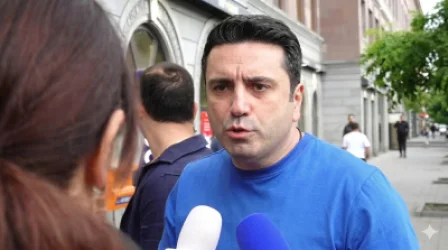
Mechanisms for Disclosure of Media Owners to be Implemented

The government today approved the fourth strategy developed by the Ministry of Justice, the National Strategy for the Protection of Human Rights, along with the action plan for 2020-2022. According to Deputy Minister of Justice Kristine Grigoryan, the strategy assesses the state of human rights and the evaluation of previous action plans, outlines the principles of this strategy, and sets priorities for the next three years.
The action plan targets important issues such as the protection of the right to life for individuals under state care or in life-threatening situations. This primarily concerns military personnel, those deprived of their liberty, individuals in closed or semi-closed institutions, and victims of domestic violence.
Actions related to the prohibition of torture aim to eliminate legislative gaps, strengthen effective institutional procedures for prevention and investigation, ensure necessary material and technical support, and develop the capacities of sectoral leaders.
Regarding the protection of the right to a fair trial, considering that systematic steps are already outlined in the Judicial Reform Strategy, the activities anticipated in the Human Rights Action Plan aim to strengthen the legislative basis for investigative and procedural actions directly related to human rights, improve the practice of evidence collection, encourage the principle of competition in pre-trial proceedings, and enhance the professional capacities of key actors in the judicial process.
Major actions concerning the freedom of assembly, both legislative and capacity-building in nature, are aimed, in particular, at excluding the disproportionate use of force by the police. Special attention is drawn to the protection of the rights of participants in assemblies and representatives of the media covering such events.
In terms of freedom of information, the Action Plans mainly include measures aimed at improving the legislative framework regarding freedom of information.
Perhaps the most discussed and demanded measure is the proposed implementation of mechanisms for disclosing the real owners of media, which aims to ensure the competitiveness and transparency of media operations. Another significant issue is the measures to combat hate speech, including the study and application of responsibility mechanisms in online spaces.
Specific measures aimed at raising public awareness about services that ensure the protection of the right to health are also planned, with consideration for early disease prevention and improving people’s opportunities to protect their rights regarding medical services and assistance.
Central actions related to labor rights concern the maintenance of working conditions, the protection of workers’ freedoms, and rights, as well as the establishment of an extrajudicial body for the protection of labor rights.
In terms of the right to education, the focus is on integrating fundamental information about human rights into educational programs, retraining teachers, ensuring access to pre-school education institutions, as well as protecting the rights of children who are out of education and enhancing academic integrity through legislative improvement.
In terms of the protection of property rights, the legislative gaps regarding fair compensation in cases of expropriation for public interest are targeted for correction. The action plans also include measures aimed at ensuring equality, prohibiting discrimination, and protecting various vulnerable groups. Measures are planned for the protection of women's rights, as well as the protection of children from violence, and more.
Ministry of Justice of the Republic of Armenia, Information and Public Relations Division
Նմանատիպ հոդվածներ

Ավելին Politics բաժնից

Հայտնի է՝ որտեղ է գտնվում Գագիկ Ծառուկյանի որդին․ ԶԼՄ

Հունիսի 7-ին տանը պետք է մարդ չմնա. Արայիկ Հարությունյան
Ես թույլ չտվեցի իմ «կլասը» գցել, իմ բարձունքից իջնել․ Ծառուկյանի պատասխանը՝ Փաշինյանին