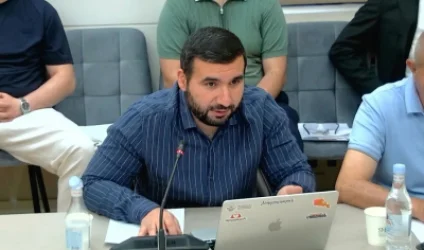
Ara Vardanyan: We Will Be Pressured Towards the Phased Solution of the Artsakh Issue According to the So-Called Lavrov Plan

Ara Vardanyan, the former director of the Armenia Fund, writes on his Facebook page:
“Open Letter to Vazgen Manukyan, President of the 'Akanq' Club
Dear Mr. Manukyan,
I have been following the activities of the 'Akanq' Club with great interest and I am very pleased that there is such a platform to discuss and analyze the issues facing our state. Unfortunately, I cannot personally participate as I am currently under illegal detention.
I watched the last expanded discussion with great interest and I would like to note that I agree with the overwhelming majority of the ideas expressed. Allow me also to contribute my modest input to this process. I have much to say about virtually all areas, but considering this format, I will present only one issue related to Artsakh and Armenian-Russian relations.
I would love to share more when, eventually, the violations come to an end and I will be in freedom.
Many speak about the incomprehensibility of Armenian-Russian relations. At times, it seems they are strained, while at other times, it appears they are quite balanced. However, no one talks about the most important aspect: what are the Armenian authorities prepared to do to regulate those relations?
This is where we enter a very dangerous phase as a country. What is the overarching issue that the Russian side will try to advance, taking advantage of the created situation?
I have no doubt that the discussion will lead to the implementation of the so-called Lavrov Plan. This means that we will be pushed towards the phased solution of the Artsakh issue. Are our authorities prepared to improve relations with the Russian side at this cost? I believe they are.
This is the price they are willing to pay to keep the second President Robert Kocharyan in detention. For the authorities, the freedom of the second President is equivalent to losing power, which is already the case.
Understanding all of this, the Russian side is advancing its political plans and will undoubtedly lead to the implementation of the Lavrov Plan. What complicates everything even further, in my opinion, is the fact that other co-chairs of the OSCE Minsk Group will also support this plan.
In this situation, our country will find itself under unprecedented pressure.
Again, what is today’s government willing to do to regulate relations with Russia? This is the question. Our people must realize the short-sightedness of this political team and their willingness to go to any lengths to maintain their own power.
That’s all for now.”
Նմանատիպ հոդվածներ
Ավելին Politics բաժնից
Հայաստանը չի արձագանքի Իսրայելի նախաձեռնությանը․ ԱԳՆ-ն բացատրել է պատճառը
Եթե պետական բյուջեից ֆինանսավորվեին ու Դիսնեյլենդից՝ Միկի Մաուսին տշեին, «Բոլորին դեմ եմ-ը» ավելի շատ ձայն կհավաքեր
Արթուր Հովհաննիսյանն առաջադրվել է որպես «Քաղաքացիական պայմանագիր» կուսակցության ղեկավար մարմնի` վարչության թեկնածու