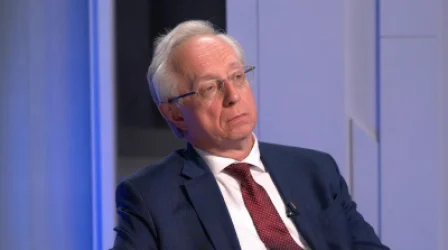
Armenia and Russia's Foreign Ministers Open Martiros Saryan's Exhibition 'Flowers for the Warriors'

The Armenian Foreign Minister Zohrab Mnatsakanyan and Russian Foreign Minister Sergey Lavrov, who arrived in Yerevan on an official visit, attended the opening of the exhibition 'Flowers for the Warriors' featuring the paintings of Martiros Saryan at the National Gallery of Armenia on November 10. The exhibition is dedicated to the 75th anniversary of the victory in the Great Patriotic War.
As informed by the press and public diplomacy department of the Armenian Foreign Ministry, Zohrab Mnatsakanyan remarked at the opening: 'Dear Sergey Viktorovich, First of all, welcome to Armenia! I am very pleased that you came here directly from the airport to open this very significant exhibition for us, dedicated to the 20th anniversary of Victory in 1965—Martiros Saryan's exhibition 'Flowers for the Warriors.' Esteemed members of the delegation, dear colleagues, Your Excellencies, my dear compatriots, friends, May 9 is our common holiday, our common day of memory concerning how we fought shoulder to shoulder, struggled, and resolutely marched together toward victory. This victory is a shared achievement of all the peoples of the former USSR, as well as the nations that formed part of the anti-Hitler coalition. This is indeed a global celebration, as the Great Patriotic War, the Second World War, was a struggle for the future of humanity.
In all our families, the memory of those fallen in that war, the memories of the participants in the war, and the experiences are passed down from generation to generation. And that memory cannot allow us to forget the truth that, thanks to our peoples' indomitable brotherhood, unity, and solidarity, it became possible to defeat fascism and cleanse the world of that 'plague.' Therefore, all efforts made by those trying to rewrite history and distort the truth about the war are particularly unacceptable.
May 9 is a holiday for each of us, as every family in the USSR's region lost a father, son, brother, or grandson in the battlefield. Our grandparents and great-grandparents fought on the front line, exerting inhumane efforts in the rear, without sparing their lives or health, thus serving as examples of heroism, self-sacrifice, magnanimity, and true patriotism. My family, I personally grew up with those memories, thanks to my grandfather, who was a soldier and fought in the Second World War, the Great Patriotic War.
Dear friends, Armenians have a special attitude toward Victory Day and the heroism exhibited by the people of the USSR during the Great Patriotic War. And this is not coincidental. From Armenia, other Soviet republics, and the diaspora, 600,000 children of the Armenian people fought in the Great Patriotic War, half of whom—314,000—did not return from the front. The 6th Armenian National Division of the Red Army bravely fought in the war, with 60,000 children of Armenia and the Armenian nation engaged in battle. Incidentally, these were the only national divisions in the Soviet Union that fought in various sections of the Soviet-German fronts. Of those formations, the most famous was the 89th Tamanyan Red Banner Rifle Division, which traveled a glorious route from the foothills of the Caucasus to Berlin.
The Armenian Division made a significant contribution to the victory, forming two tank columns named 'David of Sassoun' and 'Marshal Baghramyan' while also providing various forms of assistance. The Armenian diaspora also played a major role in the fight against Nazism; its representatives joined the Resistance movements, fought alongside allied forces, and raised funds to support the Red Army. Today, in every Armenian village, not to mention the cities, monuments dedicated to those who perished in the Great Patriotic War are carefully preserved and maintained. Almost all of them are included in the list of historical and cultural monuments approved by the Armenian government, being under the protection and care of the state.
On May 9, following a tradition that has been in place for several decades, thousands of people of various ages and outlooks, as well as the leadership of the republic, the command staff of the national army, and the entire diplomatic corps, come to the 'Victory' park accompanied by flowers and wreaths to pay their respects at the Unknown Soldier's grave.
During the heavy trials of the Great Patriotic War, a brilliant constellation of military leaders was formed; 5 marshals, 60 Armenian generals. We take particular pride in the names of the Soviet Marshal Ivan Kristapor Baghramyan, Soviet Admiral Ivan Stepani Isakov, Marshal Hamazasp Khachatur Babajanyan of the Tank Forces, Air Marshal Sergey Aleksandrovich Khudyakov (Armenak Khamperyants), Marshal Sergey Kristapor Aganov of the Engineering Troops, and other generals and military leaders.
118 Armenians and residents of Armenia were awarded the highest title of Hero of the Soviet Union, and the brave pilot Nelson Gevorgiyevich Stepanyan and Soviet Marshal Hovhannes Kristapor Baghramyan were awarded this title twice, with more than 70,000 Armenian soldiers decorated with Soviet orders and medals.
Dear compatriots, forever glory to the heroes who gave their lives for the freedom and independence of our homeland. Glory and honor to our brave fathers and grandfathers who selflessly fought on the front lines, worked in the rear, and forged the Great Victory. Today, just like Victory Day, we warmly welcome the war veterans.
Years, decades pass; the passage of time is ruthless; today, the youngest among them are 94-95 years old or even older. Therefore, we wish all veterans good health, cheerfulness, and optimism. Generations owe a debt of gratitude to the feats of war veterans. We bow before you and thank you for being with us, for all you have done for humanity, and for continuing to do for people, passing on your invaluable experience and rich knowledge to the younger generations.'
Նմանատիպ հոդվածներ
Urgent Photos: Food Marked ‘Soldier's Portion. Not for Sale’ Found in Kindergarten
Samson Grigoryan Suggests Raising Taxes by 200% Amid Outrage
VIDEO. “These clothes were given half an hour ago, right?” - Prime Minister
ALARM: Unidentified Chewing Products Mimicking Drugs Sold in Armenian Supermarkets
Ավելին Society բաժնից
Ֆրանսիայում անոմալ շոգը մեկ շաբաթում ավելի քան 2 հազար մարդու կյանք է խլել
Էմփայր Սթեյթ Բիլդինգի գագաթին ապօրինի բարձրացած զույգը ազատ է արձակվել
«Էսի ձեր 20 մանեթը, գացեք ընտրեք, թողեք, գացեք ձեր տուն»․ ընտրակաշառքի գործով ձայնագրություն է հրապարակվել