Former Government Motivated Police System with Corruption, Not State Funds
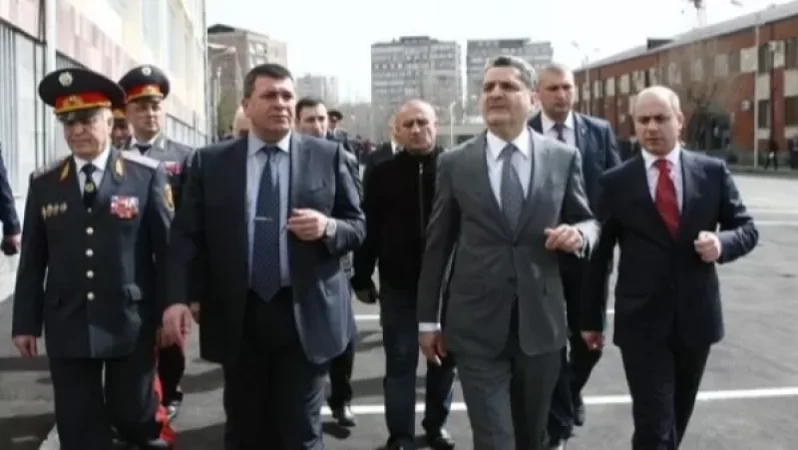
According to the newspaper "Zhamanak," the budget project for 2020 includes an increase of about half a billion drams in funding for the police. This was revealed during the discussions of the budget project in parliament yesterday.
The increase in the police budget carries a unique message within the budgetary framework, or perhaps several meanings. Firstly, it should be noted that the government emphasizes the need to send adequate signals to the police for the upcoming year, which is likely due to the importance of the law enforcement system in the context of a stable political framework.
The issue is not, as some may claim, about using forceful or authoritarian methodologies. On the contrary, it is crucial to avoid reaching extreme situations, hence the police system must be ready to respond to issues in a timely manner within the law and justice framework.
Moreover, as the previous system evidently carried out extensive informational and propaganda work regarding the police, the specific signals from the government to the law enforcement bloc, aimed at creating a positive environment, acquire political significance. An important expression of this may have been the government’s consideration of increasing police expenditure.
Of course, it raises another question of how effectively this increase translates into work efficiency, which is undoubtedly a matter for a separate discussion.
Another aspect in this sphere is that combating corruption fundamentally implies that the police must also remain free from such phenomena. This significantly reduces the motivation within the system. It is no secret that previously the government motivated the system with corruption, rather than state funds. Accordingly, it is critical that the state motivates the police at least financially, rather than the corrupt pyramid.
This, of course, is not the most decisive factor for the real reform of the system, but it is certainly one of the essential aspects and starting points for reform, after which, of course, the key question about the next steps arises once again.
Details in today’s issue of the newspaper.
Նմանատիպ հոդվածներ
Ավելին Politics բաժնից

Իրենք ոչ ընտրվել են, ոչ էլ՝ հաղթել. Իշխան Սաղաթելյան
Ավելի լավ կլինի, եթե ընդդիմությունը չգա խորհրդարան. Ռուբինյան
Մոսկվան պահանջում է Եվրոպայից հեռացնել ամերիկյան միջուկային զինանոցը