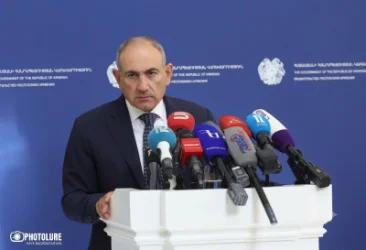
Government Makes Serious Promises

On September 23, a meeting of the Council for Improving Demographic Conditions was held, chaired by Deputy Prime Minister Tigran Avinyan. In his speech, Avinyan stated, “Hello, dear colleagues. I would like to start today’s meeting by summarizing the results of the previous meeting aimed at improving the demographic situation. During the last meeting, we addressed several significant and practical steps towards enhancing demographic conditions. I want to reiterate that the government is firmly committed to improving the demographic situation in the country. Therefore, based on the discussions from the previous meeting, we can announce that starting in 2020, we will launch new programs for encouraging childbirth and supporting young families with children.
Thus, starting in 2020:
- We will increase the one-time benefit for the birth of the first child from 50,000 drams to 300,000 drams, which is six times higher.
- We will double the one-time benefit for the birth of the second child, increasing it from 150,000 drams to 300,000 drams. As a result, parents will be able to cover initial expenses related to child birth.
- We will increase the monthly benefit for working mothers by approximately 41%, raising it from 18,000 drams to 25,500 drams.
- A new type of child care benefit will be introduced in rural areas, where mothers will receive 25,500 drams per month until the child reaches two years of age.
- We will work to eliminate the negative phenomenon known as the “kindergarten queue” in stages. We will expand long-term care and educational services in preschool and school institutions, particularly organizing care from 08:30 to 19:00 on a co-payment basis. As a result, working parents will have the opportunity to arrange childcare in preschool and school facilities close to their place of residence or work.
- One of the most critical provisions will be the housing programs to meet the residential needs of young families with children, starting in 2020 with ambitious programs. Under these programs, the state will provide both one-time financial assistance and down payment insurance for the acquisition of housing through mortgage loans related to the birth of a child in regional areas. The preliminary budget for the program will be approximately 500 million drams, but I believe this will be more than sufficient at the start. Parallelly, work will be done to create targeted housing construction programs in rural areas, which the Urban Development Committee is already addressing.
I would also like to add that these programs are just the beginning, and we need to discuss a new national ideology starting from 2021. In other words, we must engage in discussions ahead of time, but from 2021 onwards, the average family in Armenia should have a norm of three children. All our programs should be directed towards ensuring that every average family in the Republic of Armenia has the desire and opportunity to raise at least three children from 2021 onwards.
Նմանատիպ հոդվածներ
Ավելին Politics բաժնից
ՏԵՍԱՆՅՈՒԹ. Ալեն Սիմոնյանը հանդիպել է նախագահ Վահագն Խաչատուրյանին
Ես այլ երկրների ներքին գործերը չեմ մեկնաբանում. Փաշինյանը՝ Ալիևի մասին հարցին
Այսօրվա հարձակումը ամբողջ պատերազմի ընթացքում ամենազանգվածայիններից մեկն էր. Զելենսկի