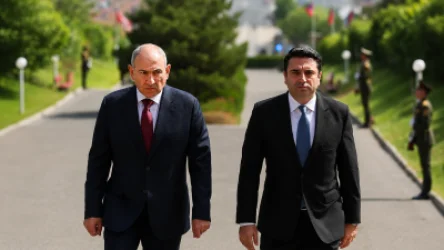
The Oncology Budget Has Increased Threefold in the Last Two Years: Arsen Torosyan

The Minister of Health, Arsen Torosyan, has faced recent criticisms from individual specialists in the field, which not only veered into personal territory but were also justified by fundamental disagreements with his activities and policies in that role.
This latest controversy particularly concerns the program launched at the beginning of this year that provides free surgery for malignant tumors to all citizens, which is expected to affect a large number of people. One of the vocal critics of this issue is pediatric oncologist and former advisor to the Ministry of Health, Gevorg Tamamyan.
He conveyed the dissatisfaction of specialists, indicating that the state does not reimburse medical facilities at market value for the surgeries performed for free, which in turn is expected to lead to the outflow of highly qualified professionals from the public sector to the private sector, as well as a decline in the quality of services.
When we asked Gevorg Tamamyan to elaborate, he stated that he is not a surgeon. The issue was detailed by representatives of the leadership of the National Center for Oncology.
Prior to this year, cancer surgeries were conducted under a co-payment scheme. In other words, part of the service cost was covered by the state budget, while the patient paid the remaining amount. Now, this co-payment has been abolished, and the state is obliged to cover the entire cost.
Previously, when co-payment was in force, the healthcare facility received a stable amount from the state for each case—specifically, 118,000 AMD. Now a differentiated approach is being applied based on the types of surgeries. However, according to specialists from the medical facility, the fixed amount approved for each type is lower than its market value. Vahe Shahsuvaryan, Head of the Urology Department, who announced his resignation on the day of our conversation, stated that, for example, the state pays 500,000 AMD for a kidney tumor removal operation, whereas its market value reaches 900,000 AMD. In the case of radical bladder removal due to cancer, together with the prostate, it is valued at 480,000 AMD, while its market value exceeds one million AMD.
Shahsuvaryan compared these prices with those in private institutions. The interlocutors noted that in the past, even when the co-payment system was in use, the total of the payments received from two directions still did not reach the market value. So why are doctors raising their voices in protest now? Especially since this level of state financing also applies to the social package program and has been in effect for years, which, by the way, has generally not seen complaints.
“There has been continuous dissatisfaction, and that's why we step out and go to the private sector. But we cannot leave our jobs and continually complain,” replied Vahe Shahsuvaryan, who found it difficult to specify how many healthcare workers had left the National Center for Oncology during this time.
“Before these changes on January 1, when the political statement was made that surgical oncology would be free, the institute is in this dire situation, while in the last two years we were among the major taxpayers; we were able to make money via co-payments. We were not only dependent on the state. We were creating production and paying taxes,” said Gagik Hambardzumyan, Head of the Thoracoabdominal Department. Arthur Avetisyan, the chief surgeon of the National Center, added, “When there was co-payment, the state could not include many examinations, services, ancillary materials, etc. in that payment, and the patient had to pay for that out of pocket. Now that it has completely become a state order, even expensive medications are being attempted to be included in that payment, which is not possible and will lead to a decline in quality; in other words, it will be the cheapest medication, etc.”
The National Center for Oncology stated that the amount reimbursed by the state budget is within 50% to 80% of the service's market value. Considering that, due to the free nature of these services, many will utilize them, it turns out that it is even possible to obtain larger amounts through quantity.
“Do you want us to work all night and even during the day? In March or April, I performed 42 complex oncological surgeries and was paid as much as I would be for eight surgeries at a private clinic,” responded Shahsuvaryan.
Doctors are asking and continue to inquire what calculations are behind the pricing of cancer surgeries, while the ministry, according to them, poses the question back: who decided that the market price is indeed that?
It should be noted that private medical facilities, including large and reputable centers such as “Astghik” and “Nairi” Medical Centers, also participate in the government-funded oncology surgery program. If this program is so unsuccessful and ineffective, why are these private institutions interested? The former deputy director of the National Center observes in response that many have also refused to participate in the program, such as the “Izmirlian” Medical Center. Notably, this center has close ties and was led for two years by the rector of the Medical University, former Minister of Health Armen Muradyan, whom Minister Torosyan accuses of being one of the organizers of the campaign against him.
The Ministry of Health will provide clarifications regarding the foundations of the pricing list for oncology surgeries later. Yesterday, it was not possible to obtain that information. However, Minister Torosyan has recently commented on the subject, expressing confidence that there will not be staff outflows and that better conditions will be created for these specialists. “In the last two years, the oncology budget has increased three times. Yes, there can be complaints, especially from those doctors who are used to earning supplementary income, which we must gradually eliminate by allowing them to receive a good salary that is legal. Yes, a high salary, but a legal one, which is very important, and we will achieve this step by step,” Arsen Torosyan said.
Նմանատիպ հոդվածներ
Ավելին Politics բաժնից
Պապոյանը՝ ՌԴ-ում դիզվառելիքի սղության և Հայաստանում գների մասին
ՏԵՍԱՆՅՈՒԹ. Վահագն Ալեքսանյանը՝ ԱԺ փոխնախագահի թեկնածու առաջադրվելու մասին
Լոլիկի գները նվազել են. Պապոյանը խոսում է հետևանքների մասին