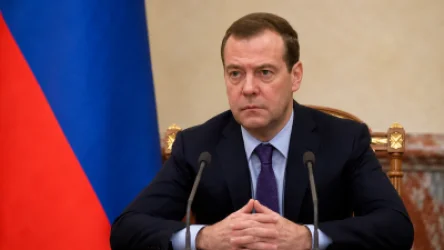
I Address You as the Prime Minister to the Prime Minister: Khosrov Harutyunyan to Nikol Pashinyan

The former Prime Minister and former MP of the Republican Party, Khosrov Harutyunyan, wrote on his Facebook page: "To imprison the President of the Republic is equivalent to imprisoning the Armenian statehood.
Dear Mr. Prime Minister, I am addressing you as the Prime Minister to the Prime Minister because just as there are no former Presidents of the Republic, there are also no former Prime Ministers. I address you as a counterpart who, regardless of the qualitative differences in the historical periods, stands at the helm of the government. This is because the responsible role of the head of government in ensuring the normal functioning of public life is constant, irrespective of the specifics of the time period.
Perhaps I am not the one to advise you, although by age, it seems I can allow myself to do so. Thus, I believe you will agree, Mr. Prime Minister, that the key to the success of the aforementioned role is, above all, the establishment of the rule of law and the unwavering realization of the requirements of the Constitution, especially in situations where public life is particularly sensitive to conflicting factors and developments.
In other words, the assertion that the normal course of public life is significantly dependent on how much the highest political power succeeds, through its actions, in ensuring the rule of law and legitimacy in the country, is thrice true. By the way, the abundance of our slips and errors throughout the 30-year history of the internal political developments of independent Armenia confirms the truth of this political thesis.
In this context, your approach towards President Kocharian's "case" becomes particularly important. We are not talking about the observance of the legal procedures defined by criminal procedural law concerning the March 1 case. My focus concerns the "inevitable necessity" of holding the president in detention.
The claim that President Kocharian, if he were free, could obstruct impartial trial proceedings does not withstand scrutiny. Firstly, his previous actions contradict this assumption, and the assumption that there is no basis for being convinced that in the future Kocharian will not adhere to his established behavior is also unconvincing, simply because if any incident of Kocharian obstructing justice is recorded later, the law does not prohibit altering the measure of restraint against him.
Furthermore, the justification that Kocharian has a significant political-social influence and that his remaining at large would undoubtedly enable him to constrain those involved in the trial is equally unconvincing (it is more than obvious that being behind bars does not diminish Kocharian's political standing and, therefore, his influence).
Thus, all the arguments put forth to justify the inevitable necessity of applying detention as a measure of restraint against President Kocharian are unpersuasive.
Today, there are numerous well-founded arguments against holding President Kocharian in detention. Many assert that especially consideration should be given to his immense contribution to the establishment of both Armenian republics when choosing a measure of restraint for the second President of the Republic.
A multitude of analysts (including non-Armenians) draws the authorities' attention to the fact that the approach demonstrated towards Kocharian directly corresponds to the reputation of the political leadership of Russia, which may have a direct impact on Armenian-Russian relations. Agreeing with this and disregarding it cannot be considered a sign of political foresight.
However, alongside all this, in my opinion, the fact of holding the President of the Republic in detention has another aspect of public importance—that it causes irreparable harm to the formation of public institutional consciousness regarding statehood and strikes a blow to the respect of the institution representing statehood (The President of the Republic is not an individual, but rather an institution embodying the State).
What do I mean by this? As I pointed out at the outset, Mr. Prime Minister, there are no former Presidents, just as there are no former Prime Ministers. It is not by accident that protocolically, this individual is referred to officially as "Your Excellency, Mr. President or Mr. Prime Minister." This is how international practice works. It is conditioned by the fact that this individual represents (if a former official) or represents (if an acting official) both his State and his people. Therefore, in the face of the President or Prime Minister of the State, others express their respect primarily towards that state and its people.
In other words, the respect for the people and the state is expressed through the respect directed towards the high-ranking political leader—either the President or the Prime Minister—who represents (embodies, and is considered its symbol) the given state. Moreover, it is evident that the object of respect is not so much the individual but rather the official.
This is the alpha and omega of inter-state relations. And it is by no means accidental that we are very sensitive regarding the treatment our leaders receive in other countries.
Respect for the Leader of your State (active or former) is an absolute criterion of respecting your people's dignity. Therefore, a natural question arises—does the attitude towards the Leader of the State (the symbol of statehood) within the country not characterize our collective attitude toward our own people's dignity?
And does disrespect towards the President of your country not undermine others’ attitudes toward the dignity of our state and people, since others may feel unconstrained in their relations with us in this regard?
Again, Mr. Prime Minister, my point does not concern the legal content of the criminal case against President Kocharian—the charges, evidence, or the fairness of all of that (the legal process is ongoing, and everyone should refrain from expressing a particular opinion). My focus is directed at the fact of holding the President of the Republic in detention, whose potentially invisible and intangible but undoubtedly irreversible negative institutional consequences I am confident will accumulate over time.
In this regard, the conduct of our European partner states is worthy of emulation: after leaving office, criminal cases were initiated against Presidents of France and the Chancellor of Germany, but none were detained.
This is a respectful manifestation of one’s own state and people. The rooting of public respect towards institutions symbolizing the state is even more crucial for us Armenians, as throughout the centuries deprived of statehood, we have not succeeded in forming and passing down the traditions of building national states and institutionalizing statehood from generation to generation.
This issue gains particular importance at this current phase of historical developments when our collective skills and abilities to establish an effective governance system are essentially in an embryonic state. Undoubtedly, the issue cited is not the only primary issue in the realm of state-building, but you might agree that it is one of the key issues in the sector. Therefore, facilitating the formation of the public’s conscious respect towards the institutions symbolizing statehood should become one of the primary missions of all governments in our country throughout all times, including yours, Mr. Prime Minister, because it is from the citizens' respect for their own State that the effectiveness of our generations’ endeavors to build a secure and competitive State begins and is mainly conditioned by it.
Consequently, Mr. Prime Minister, in my opinion, it is your mission to root the public’s respect towards the institutions symbolizing statehood—with respect to the President of the Republic, the Prime Minister of the Republic, the Anthem, the Flag, the Emblem, and the Constitution. Agree, it cannot be indifferent to you what our citizen’s attitude is towards these state institutions.
Of course, this does not mean that our citizens should be restrained in voicing their assessments of the activities of their Country's highest authority (including the most robust criticism), but it also does not mean that such assessments and even the most robust criticism can be expressed through manifest and glaring disrespect towards the state institutions. The latter should be considered unacceptable.
For example, I experienced a sort of discomfort regarding a young woman from Gyumri towards the Prime Minister of my country, despite it being prompted by justified anger, but with a manner of expression that resembled unrestrained behavior.
Unquestionably, there is some substantial truth in the view that throughout all times, state institutions or state officials have not less contributed to the undermining of their own reputation, often provoking legitimate public anger.
Just as it should be stated for the sake of fairness that you, too, Mr. Prime Minister, have contributed to the shaping of citizens' unrestrained behavior towards high-ranking state officials. However, despite all this, I hope you will agree that we cannot allow such citizen behavior to become one of the main descriptors of our society's value portrait.
This is why, Mr. Prime Minister, I urge you, in fulfillment of the public mission historically entrusted to you, to do everything from here on toward fostering a respectful attitude of the public towards the institutions symbolizing the state and, in particular, to make efforts to change the measure of restraint against President Kocharian.
In addition to the above comments, I find it appropriate to remind you of one of the traditional messages from our greats—respect that you may be respected in return. Moreover, in the context above, it can be stated without the possibility of error that imprisoning the President of the Republic is equivalent to imprisoning Armenian statehood.
Meanwhile, our society today faces a serious choice—whether to embark on a time-consuming path of deep reforms that require consistent and daily qualitative professional hard work, or to be lured by the illusion of reforms and public displays of the governmental muscle game characteristic of revolutionary decisiveness. The whole drama of the issue is that the execution of this choice, given the real nature of the circumstances, is devolved to you, Mr. Prime Minister. I hope you will grasp the gravity of this historical moment.
Respectfully, Khosrov Harutyunyan
Նմանատիպ հոդվածներ
Ավելին Politics բաժնից
Հայաստանից ԵՄ երկրներ անմաքս արտահանումը չի հակասում ԵԱՏՄ անդամակցությանը․ Վահան Կոստանյան
Ռուսաստանը բողոքի նոտա է հղել Շվեդիային
Մենք չենք վախենում Իսրայելի հետ բախnւմից․ Ֆիդան