Recognizing the 2016 Environmental Expertise Conclusion on Amulsar as Invalid: An Application to the Minister by the Environmental Front
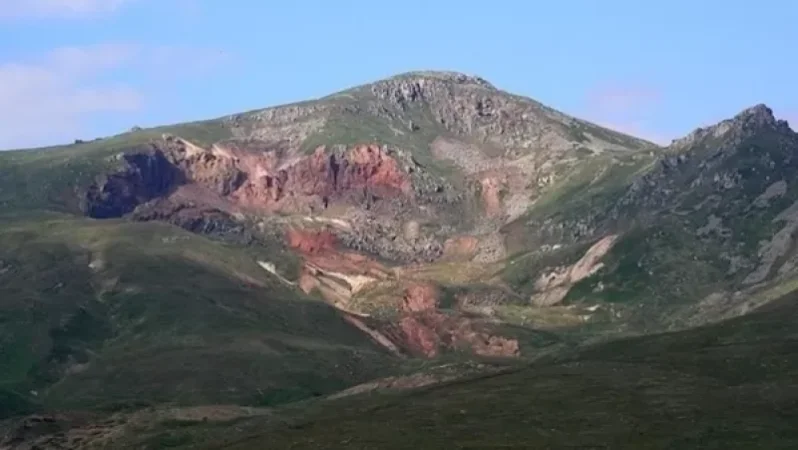
The Armenian Environmental Front civil initiative has today, on August 20, submitted an application to the Minister of Environment, Erik Grigoryan, calling for the recognition of the 2016 conclusion of the environmental expertise as invalid.
Here are the contents of the application:
“In the final report of the studies commissioned within the framework of the criminal case initiated by the Investigative Committee regarding the Amulsar issue, which is available on the official website of the Investigative Committee, there are numerous facts that must be examined by your ministry and assessed in terms of compliance with Armenian environmental and other legislation. We would like to present one of these facts and our expectations regarding your respective actions as a state authority.
According to one of the technical assignments of the Investigative Committee (page 17), one of the goals of the studies conducted by the Lebanese 'ELARD' and the American 'TRC' companies was to 'understand and evaluate the scientific accuracy of the assertion made by Lydian that Amulsar is a separate/isolated geological block.' In connection with this question, the report states on page 39, quoting: ‘The project area is only partially included within the tectonic block of Amulsar (TBA). The entire area of the Tigranes-Artavazdes-Arshak open pit and at least part of the Erato pit is located in the Agarakadzor fault and the southern part of the TBA. In addition, the empty rock pile (ERP) is located on both sides of the Zirak fault line, with some parts of the ERP falling north of the fault and the TBA. At least half of the Kechut reservoir is located inside the TBA, near its northern tip. Any possible leakage from the part of the ERP north of the Zirak fault can lead to contaminated waters reaching the Madikents springs. Moreover, the underground waters beneath the open pits can flow into the Darb and Vorotan rivers.
The location of the Darb and Arpa rivers has structural dependence; rivers generally serve as hydraulic boundaries (there is no underground water flow in the direction of vertical projection). Moreover, the faults can obstruct the flow of underground waters, and the hydrothermal alteration increases the likelihood that the faults impede the flow of underground waters. However, since a large part of the ERP and the mining open pits are located outside of the Amulsar tectonic block, it is incorrect to claim that the mine does not impact the areas (including freshwater) located near the TBA. Furthermore, the faults may act as conduits for underground water flow. This possibility indicates that the Agarakadzor fault could lead polluted groundwater towards the Darb and Arpa rivers, while the Zirak fault could direct polluted groundwater, including potentially leaked water from the ERP (approximately 2600m elevation) towards the Kechut reservoir (approximately 1950m elevation) and/or the Vorotan river (approximately 2200m elevation at the designed intersection of the Zirak fault). Surface and underground waters flowing north from the ERP move northwest towards the Arpa river and the Kechut reservoir.”
It should be noted that for years, Lydian has presented entirely contrary facts to the public and the Armenian government, stating that ‘the Amulsar tectonic block is independent not only in geological structure but also in engineering-hydrogeological features. The hydrogeological regime of the block is also independent; it has no relation to the freshwater basins of adjacent areas and cannot impact their hydrogeological conditions and underground water regimes and chemical composition during the exploitation of the mine. The morphology of the Amulsar geological block ensures hydrogeological (autonomous) conditions.’ This is stated on page 8 of Appendix 21 of the documents posted on the ministry’s website.
Clearly, these claims are also specifically stated in the studies of 'ELARD' and 'TRC' (pages 34-35), quoting: ‘The location and characteristics of the Amulsar tectonic block (ATB) are described in Geoteam (2014) and GRZ (2011). According to these documents, the project area is located within the ATB, a centrally autonomous tectonic block composed of Eocene-Oligocene volcanic domes, and the ATB is situated between the Arpa, Vorotan, and Darb rivers. The ATB is triangular, entirely bounded by three main crossing tectonic faults: the Kechut fault, Agarakadzor fault, and Zirak fault... According to GRZ (2011) and Geoteam (2014), the ATB is independent (or isolated) based on its hydrogeological characteristics. They state that the ATB is not connected to the neighboring areas and that the mine cannot affect the hydrogeology and water quality of the areas adjacent to the ATB, including the mineral and freshwater sources, particularly those of Jermuk. Similar statements can be found on the ‘Lydian International’ website.”
This evidence indicates that since the environmental impact assessment conclusion on the modified project for the operation of the Amulsar gold-bearing quartzite mine, issued on April 29, 2016, new ecological factors have arisen based on which the ministry is obliged to recognize that conclusion as invalid, pursuant to Article 21, Part 2, Clause 5 of the RA Law on 'Environmental Impact Assessment and Expertise.' We request you to fulfill this simplest obligation placed upon you by law.”
Նմանատիպ հոդվածներ




Ավելին Society բաժնից

Էքստրեմալ շոգի պատճառով ԱՄՆ-ում չեղարկվել են Անկախության օրվա միջոցառումները

Ամռանը երեխաների ջրահեղձության դեպքերն ավելանում են․ԱՆ

Ուժեղ քամին վնասներ է հասցրել Երևանում և Գեղարքունիքում