SATA Denies Farmer's Statement That 38 Citizens Are Infected with Brucellosis in Karaglukh Village of Vayots Dzor
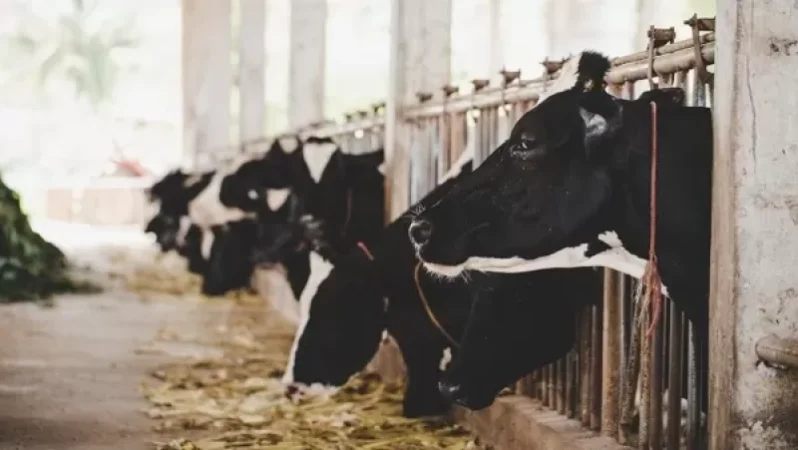
In the Vayots Dzor region, infected animals with brucellosis have mostly been identified in the Karaglukh village and in only one household in the Gnishik village. This information is reported by the Food Safety Inspection Body of Armenia.
According to the investigations conducted by specialists from the Food Safety Inspection Body of Armenia, it was discovered that infected animals with brucellosis were primarily found in the Karaglukh village and in only one household in the Gnishik village. The livestock population in the Karaglukh village has undergone multiple checks for both small and large cattle; small cattle were checked five times, while large cattle were checked three times, although state funding only provides for two checks per year for small cattle and one for large cattle.
As of the first half of 2019, a total of 11,140 small cattle and 9,690 large cattle were inspected in the Vayots Dzor region. As a result, 146 small and 60 large cattle were registered as infected with brucellosis, which constitutes only 1.3 percent of the total livestock in the region (14,800 heads), and the infected animals have been slaughtered.
Overall, during the first half of 2019, out of 281,764 large cattle inspected in the republic, only 1,813, or 0.64 percent, were found to be infected with brucellosis, while only about 1.04 percent of the small cattle (out of 222,546, 2,318 were infected). This indicates that the claim of 50 percent infection rate is misinformation, as that number does not exceed 3 percent in the republic. A more comprehensive picture will be presented at the end of the year.
Moreover, the regional branch of the Republican Veterinary and Phytosanitary Laboratory Service Center in Vayots Dzor is providing disinfectants for free to farmers for the purpose of ongoing and final disinfection of livestock sheds and slaughter areas.
The farmer's statement that 38 citizens in the Karaglukh community are infected with brucellosis is also inaccurate. Only three individuals in that community, who are members of the same family, are sick.
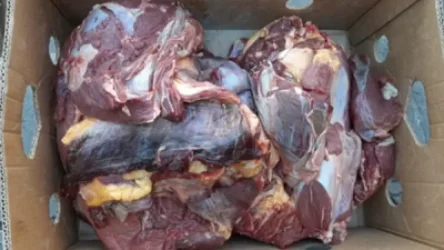
The Inspection Body has repeatedly identified inappropriate meat not subjected to veterinary or sanitary examination. This issue requires systematic solutions, and steps are already being taken in that direction. The movement of animals and diseases will be fully controllable when all animals are registered (the program has already been submitted and will soon start) and when there is a transition to 100 percent slaughterhouse slaughter (as of August 1, 2019, only fresh meat of slaughterhouse origin must be marketed in the entire public food network, and starting January 15, 2020, in the entire retail market). Currently, monitoring of the meat market is being conducted across the country, including in Gyumri, Artik, Kapan, and Meghri.
The farmer also published specific misinformation regarding the import of veterinary Turkish medicines and low-quality pork from Vietnam. Veterinary Turkish medicines are not sold in Armenia, and pork is not imported from Vietnam. The farmer has disconnected his phone and is not responding to our calls, so it has not been possible to verify his statements about a 'familiar meat seller' and the sale of dead horse meat. We will attempt to ascertain the reliability of that information in cooperation with law enforcement agencies.
Նմանատիպ հոդվածներ



Ավելին Society բաժնից
Նոր մանրամասներ Ջրաշենի նախկին ղեկավարի ու նրա ծնողների դանակահարության դեպքից
Դանակահարել են Ջրաշենի նախկին վարչական ղեկավարին ու ծնողներին. նրանք ծանր վիճակում են

Կիևյան կամրջի շուրջ նոր ապատեղեկատվություն է տարածվում. պարզաբանում քաղաքապետարանից