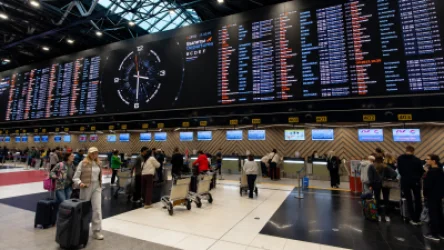
168 Hours: Russia is with Turkey, Revolution Will Give Nothing to Armenians - Tarasov
In an interview with 168 Hours, Stanislav Tarasov, a columnist for the Regnum news agency and a Russian political analyst, shared his insights on the current situation in Armenia.
— How closely do you follow the domestic political situation? What remarks do you have?
— As far as I follow, I see that the Armenian government cannot move away from the revolutionary genre; this has certainly become outdated, and its time has passed. They need to transition to a different genre and demonstrate results, to work. The map should be considered clearly and objectively to understand the situation in Armenia. Two of Armenia's four borders are closed, the U.S. is far away, and the EU is distant. One should look at the example of Georgia. Observe Georgia; as soon as Russian sanctions were mentioned, the lari plummeted, along with gasoline prices. Here you see the real economic dependence of Georgia on Russia. One doesn't need to look too far. But Armenians also want to try; let them try.
— So, is it possible that a multi-vector policy could lead to problems for Armenia as well?
— It might lead to problems, or it might not; it depends on the situation since Armenia and Russia are connected in many sectors aside from Armenia's membership in the EEU.
— Recently, the Azerbaijani side targeted Armenian positions from Nakhichevan. How do you explain this?
— This is simply hooliganism. Nakhichevan is a protectorate area controlled by Azerbaijan. I don't think we need to search for serious other meanings behind those shots.
— Do you expect any progress in the negotiations regarding the settlement of the Nagorno-Karabakh conflict in the near future?
— So far, I hear only empty formalities; Pashinyan said to Radio Free Europe that the interests of Azerbaijan should also be considered. I would like to remind you that Azerbaijan speaks of its territorial integrity. But how will you take that interest into account—by relinquishing territories? Let him explain what he means, then I will discuss this topic.
— Mr. Tarasov, this is quite a complicated phase for the region, with tense Turkish-American and Iranian-American relations, increasingly close Russian-Turkish relations, ongoing internal developments in Georgia that have external causes, and the unresolved Nagorno-Karabakh conflict. What developments are possible in our region, and how will these affect the Nagorno-Karabakh conflict?
— To put it briefly, Pashinyan has delayed his revolution by a lot. It should have happened five years ago. Currently, when the Russians are with the Turks, a revolution will give nothing to Armenians. We are with Turkey.
This content is fully available in today’s issue of the newspaper.
Նմանատիպ հոդվածներ
Ավելին Politics բաժնից
ՔՊ-ի համար վատ լուր ունեմ. Արման Աբովյան
Հուլիսի 1-ից Ռուսաստանը փակում է որոշ սահմանային անցակետեր
«Ուժեղ Հայաստան»-ի հետախուզվող 3 թեկնածուներից 1-ը հայտնաբերվել է և կալանավորվել