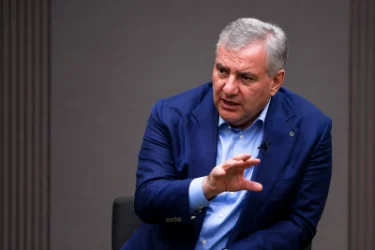
Why Did Putin Call Pashinyan After Visiting the Vatican? Gas Prices Are Part of a Broader Package
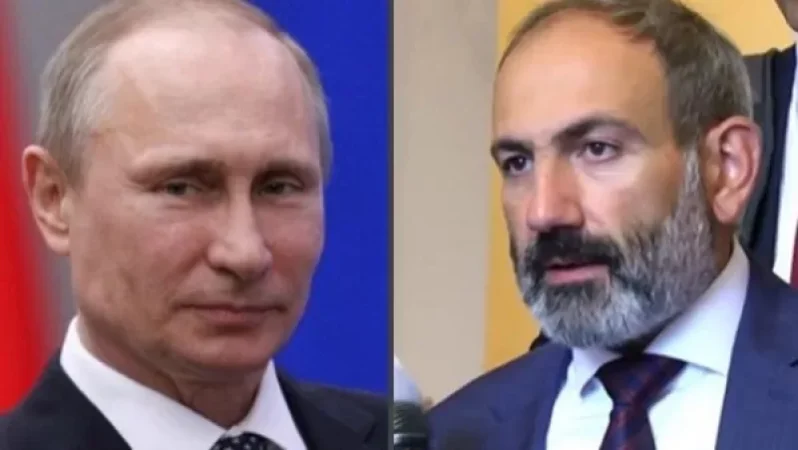
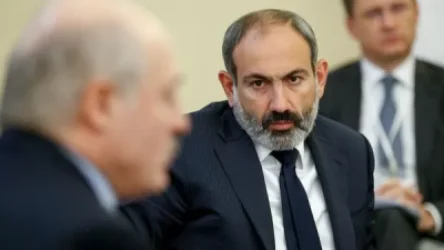
The newspaper "Zhamanak" reports: "Armenian Prime Minister Nikol Pashinyan, who is currently visiting Vietnam, has shared information about his phone conversation with Russian President Vladimir Putin, noting that he had also held conversations with the leaders of other EEU member states beforehand.
The phone call with Putin took place after a certain delay compared to the others. Although it is possible that this was related to Putin's busy schedule, which was affected by the tragic incident in the Russian Navy on July 1.
In that context, it is reasonable to assume that Putin might not have been available for a conversation regarding EEU and bilateral topics with the Armenian Prime Minister at that time. Moreover, he was preparing for his visit to Italy and possibly to the Vatican sooner.
On July 4, the Russian president met with the Pope in the Vatican. During his visit to Italy, he also had meetings with the President and Prime Minister of that country. However, it is highly likely that the primary purpose of Putin's visit was the Vatican and the meeting with the Pope.
In this regard, it is significant that the Pashinyan-Putin phone conversation took place immediately after the Vatican visit. It should be assumed that Putin initiated the call to Pashinyan. It is unlikely that the Armenian Prime Minister would have attempted to contact the Russian President during his visit to Hanoi unless he had failed to reach him earlier.
Additionally, the statement released by the Kremlin does not clarify who initiated the conversation. However, if it were, so to speak, at the non-Russian party's initiative, the Kremlin prefers to emphasize that point to highlight that they wished to talk to Putin, not the other way around.
Accordingly, one can assume that right after completing his visits to the Vatican and Italy, the Russian president reached out to Nikol Pashinyan.
The discussions likely covered issues of Eurasian integration and bilateral matters, including the agenda for the EEU Summit scheduled for October 1 in Yerevan.
Was the issue of gas pricing, currently essential for Yerevan, addressed in that context, or will Putin discuss it with Armenia in a bilateral format? It is also clear that the scope of issues on the agenda for the Pashinyan-Putin format is quite broad and is not limited to gas; indeed, gas is just one element of that broader package. The main issue may continue to be the transformation of the architecture of Armenian-Russian relations following the Velvet Revolution, which poses a challenge and remains an essential necessity not only for Armenia but for the region as a whole.
For more details, see today’s issue of the newspaper.
Նմանատիպ հոդվածներ
Ավելին Politics բաժնից
Պուտին․ ԵԱՏՄ-ում սննդի ստանդարտներն ավելի խիստ են, քան ԵՄ-ում
Միջուկային գործարքը վտանգվա՞ծ է․ Իրանից դիմել են ԱՄՆ-ին
Քոչարյանը կասկածում է զորահանդեսում ցուցադրված սպառազինության արդյունավետությանը