Zohrab Mnatsakanyan on Meeting with Mammadyarov
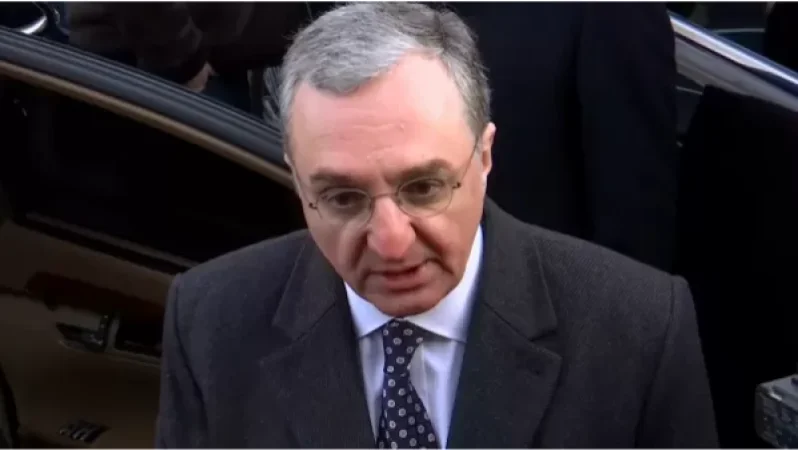
The Minister of Foreign Affairs of Armenia, Zohrab Mnatsakanyan, held a press briefing with journalists following the meeting between the foreign ministers of Armenia and Azerbaijan. The official website of the Ministry of Foreign Affairs has published the details of this briefing.
Are there clear agreements regarding the future?
We have certain agreements. We have agreements that need to be implemented, and I believe we have reaffirmed what pertains to journalists, individuals in detention, the strengthening and stability of the ceasefire regime, and the fostering of a stable environment that contributes to reducing risks of tension. These require taking numerous clear steps, and we must work towards implementing them.
Is there any change in Armenia's position regarding the involvement of Artsakh?
There is no change, nor can there be, and I emphasize this very clearly: Armenia's position is based on very practical grounds and a practical approach, namely, that Artsakh is a stakeholder and is a subject in all this, and they should have a sense of ownership. If we are truly decisive about ensuring practical progress in the negotiation process, then I believe we have been very clear in our approaches.
We try to highlight that this is, particularly, a practical issue of political will to secure tangible progress in the negotiations. The party in this dialogue, namely Artsakh, must have an immediate sense of ownership. Therefore, this has been part of the dialogue, and of course, we must consider this. However, as I mentioned, it is very important to note that these issues are interconnected, and we must approach them very carefully.
Are you optimistic about today’s negotiations?
I am very cautious about assessments of optimism or pessimism; however, I believe this is a responsibility because these negotiations have a very direct impact on people's lives. And when the matter is viewed in this context, it must be understood that what is being done should serve the purpose of establishing peace. This is good for Azerbaijan, Armenia, Artsakh, and the entire region.
But it must be such that all sides feel that the commitments made are commensurate, that there is a compromise-based solution such that each party feels that it reflects their national interests and mutual concerns, finding such an exit that ensures the necessary balance through commensurate commitments. This is the essence of compromise.
Mammadyarov stated that the next meeting will not be delayed...
Yes, I can confirm that we have, in any case, agreed that it is necessary to work in that direction, and we will finalize the agreement regarding the next meeting again. We have just emerged from this, and you understand that even this current conversation is the first reflection of how we feel about the results of these negotiations. We are naturally ready to continue and are prepared to announce that next point when we have an agreement, but we will also reaffirm that waiting will not be long. But at the same time, it is very essential that we can reaffirm those commitments that relate to the appropriate environment and the strengthening of the ceasefire and appropriate mechanisms that are part of such an environment.
My question relates to the fact that you mentioned the Armenian population of Nagorno-Karabakh, what do you say about the 7 adjacent regions and the internally displaced persons in Azerbaijan?
I was speaking about Armenia's priorities. And, of course, the issues that are priorities for the other side also exist. And as I said… What is the position… The solution itself is a commitment. I do not think you expect me to provide a comprehensive discussion or analysis on these issues immediately after these negotiations. That is not at all what we are dealing with now. But as I noted, we have our priorities and speak about our priorities, but you will remember when the Prime Minister said that the path to peace is through which we can respond to the various issues that concern all parties. I would also like to remind you that the Prime Minister of Armenia has previously stated this, and we have repeatedly reaffirmed it: whatever resolution is reached, it must be acceptable to the people of Armenia, Artsakh, and Azerbaijan.
At this moment, as I said, those very concerning developments, the ceasefire violations that are costing lives, pose very important challenges that we must face, respond to, and we must reduce the risks of escalation to be able to maintain an environment conducive to peace.
And today we had this conversation, and in this regard, we had a good discussion with the co-chairs, my colleague. The last question is about the meeting with Security Advisor John Bolton; do you have any comments?
We had a very intensive, inclusive, and very effective dialogue with Ambassador Bolton. We had the opportunity to discuss a wide range of issues, of which, of course, the most important were regional security and the peaceful resolution of the Nagorno-Karabakh conflict. The U.S. is one of the three co-chairs and is a very important stakeholder in all of this together with Russia and France. We have many crucial issues relating to regional security and dynamics, and of course, we must continue this dialogue, this conversation. The U.S. is a very important partner for Armenia. We have a fairly rich bilateral agenda, which we value. Thus, in every sense, this was a very important discussion with the U.S., Armenia’s vital partner, on a wide range of issues. And I said that this was a very effective, interesting dialogue, conversation, discussion with Ambassador Bolton.
Նմանատիպ հոդվածներ
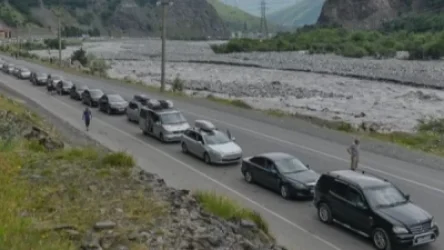
Situation at Lars: Is Car Entry to Georgia Being Prohibited? Clarification
If I Were in the Place of the New Authorities, I Might Not Want to Reopen the October 27 Case: The Journalist Who Went Underground Has Returned
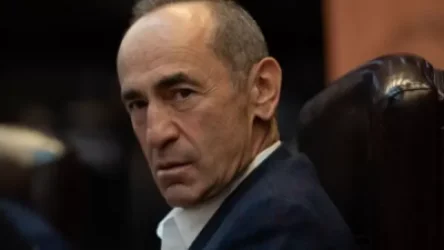
Police Provide Security for Two Judges Examining Kocharian's Case
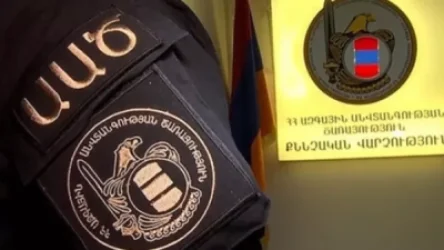
Impersonated NSS Generals, Wore Epaulettes, and Stole Property
Ավելին Politics բաժնից
ՌԴ ԶՈՒ-ն ամբողջությամբ գրավել է Կոնստանտինովկան. Պեսկով
Փաշինյանն է որոշում, ով՝ ինչ պաշտոն ունենա, այդ թվում՝ ԱԺ-ում. Բադալյան
Որ պետության շահերն ես ներկայացնում․ Շիրազ Մանուկյանը՝ Ռուբեն Ռուբինյանին