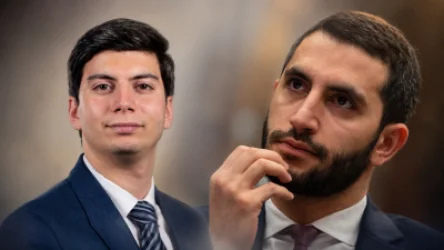
What Will the Investigative Commission Studying the Circumstances of the April War Reveal?
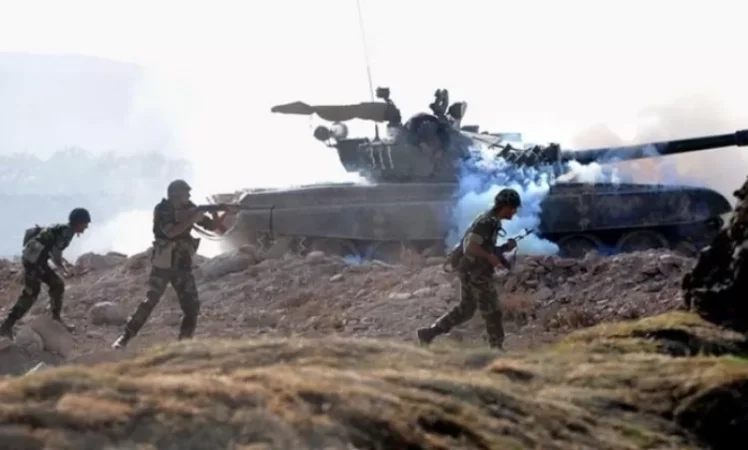
The parliamentary investigative commission studying the circumstances of the April war will hold its meetings behind closed doors, announced Lilith Makunts, the leader of the ‘My Step’ faction in the parliament. The scope of questions under the commission's investigation will be very broad, including, for example, the operational decisiveness of military commanders in preventing the actions of the adversary.
It is undoubtedly clear that the parliamentary investigative commission has jurisdiction over a question that is significant not only domestically but also extends beyond the regional level. We have periodically written about the geopolitical layers of the April war, examining various perspectives and hypotheses, and here the field is undoubtedly wide and simultaneously extremely responsible, especially from the perspective of national security.
It is essential that the commission adheres to the principle of not causing harm, so that its activities do not jeopardize but rather enhance the national security of Armenia. Naturally, much depends on how high-ranking officials who were at the helm of state management during the April war interact with the commission.
In this context, apart from the obviously significant Serzh Sargsyan, the Supreme Commander, the willingness of former Defense Minister Seyran Ohanyan is also crucial. Of course, important officials are not limited to Serzh Sargsyan or Seyran Ohanyan; however, there is a noteworthy aspect that Seyran Ohanyan had previously discussed, seemingly in one of his interviews before the Velvet Revolution. He stated that he disagreed with the approach that placed full or primary responsibility on the army and armed forces following the April four-day war. This approach was effectively applied by Serzh Sargsyan, who dismissed several high-ranking military officials after the war, including, incidentally, the head of intelligence, Arshak Karapetyan, who, months later, was appointed as Armenia's military attaché in Russia.
After the Velvet Revolution, Nikol Pashinyan returned him to Armenia and appointed him as his advisor, declaring that he is familiar with hundreds of pages of confidential information regarding the April events, where there is no mention of intelligence shortcomings.
The full article is available in today's print edition of the newspaper.
Նմանատիպ հոդվածներ
Special Investigative Service Does Not Open Criminal Case Against Arsen and Levon Julfalakyan
Makunts on Zeynalyan's Resignation
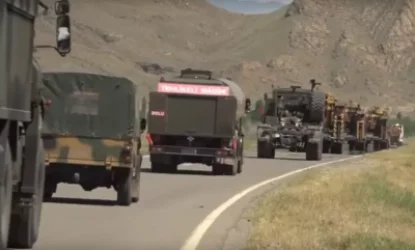
Turkey Deploys Troops to Nakhichevan: Alarm from Turkologist and Response from Defense Ministry
I Apologize to the Armenian Public and Prime Minister Pashinyan - Daniel Ioannissian
Ավելին Politics բաժնից
Պաշտոնանկություններ են սպասվում. «Հրապարակ»
ՌԴ ԶՈՒ-ն ամբողջությամբ գրավել է Կոնստանտինովկան. Պեսկով
Փաշինյանն է որոշում, ով՝ ինչ պաշտոն ունենա, այդ թվում՝ ԱԺ-ում. Բադալյան