Agreements Reached at Summits in Vienna and St. Petersburg Must Be Implemented: Armenian Foreign Ministry
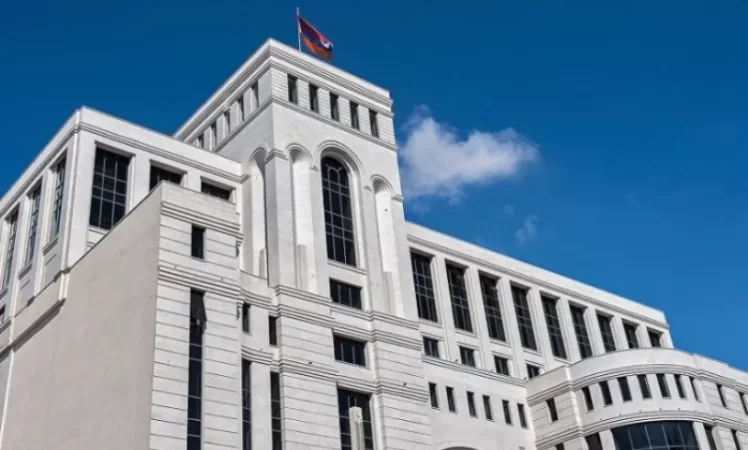
On May 12, 2019, we mark the 25th anniversary of the ceasefire regime established between Artsakh, Azerbaijan, and Armenia. The Bishkek Protocol, signed on May 5, 1994, by the heads of the parliaments of Artsakh, Azerbaijan, and Armenia, paved the way for the cessation of hostilities and the subsequent signing of trilateral ceasefire agreements in 1994 and 1995.
On the occasion of the 25th anniversary of the ceasefire, we reaffirm our deep appreciation and gratitude to the mediators, particularly the efforts of the Russian Federation, which played a crucial role in the signing of these agreements. Subsequently, these agreements and their significance were recognized and endorsed by the international community, particularly at the 1994 OSCE Budapest Summit.
The people of Nagorno-Karabakh have demonstrated their unwavering capability to defend against the destructive aggression of Azerbaijan and the threats of ethnic cleansing and extermination from the early 1990s, creating a solid foundation for a democratic society and freely determining their political, economic, social, and cultural development aimed at fully realizing their right to self-determination. Armenia has been and remains a guarantor of the security of Artsakh and its people.
In light of Azerbaijan's ongoing violations of the ceasefire regime, particularly the aggression against Artsakh in April 2016, the ceasefire agreements of 1994-1995 remain valid. They serve as a solid basis against the use of force and the resumption of hostilities, which would have disastrous consequences for all peoples of the region. The Co-Chairs of the OSCE Minsk Group reaffirmed their support for the ceasefire agreements of 1994-1995 and emphasized the importance of respecting them in their joint statement of May 16, 2016.
Armenia continues to adhere to the letter and spirit of the ceasefire agreements of 1994-1995. Moreover, these agreements continue to serve as a pillar to reject the use of force and to ensure substantial progress in the negotiations for the resolution of the Nagorno-Karabakh conflict under the internationally recognized mediation of the OSCE Minsk Group Co-Chairs.
The agreements reached in September 2018 in Dushanbe regarding the respect for the ceasefire regime highlight the importance of political will in maintaining the ceasefire and minimizing the risk of escalation. In recent times, there have been recorded violations of the ceasefire regime resulting in severe injuries to two soldiers of the Defense Army of Nagorno-Karabakh and one serviceman of the Armed Forces of the Republic of Armenia along the contact line and border. These unfortunate incidents underscore the necessity of commitment to the ceasefire regime and its strengthening. The special measures agreed upon at the summits in Vienna and St. Petersburg in 2016 must be implemented.
The 25th anniversary of the ceasefire regime attests to the legitimacy and viability of the trilateral format of the agreements of 1994-1995, as well as the necessity for the full involvement of Nagorno-Karabakh in the long-term resolution of the conflict.
This anniversary also encourages all parties to reaffirm their commitment to the peaceful resolution of the conflict under the auspices of the OSCE Minsk Group Co-Chairs. Armenia remains fully committed to lasting peace, as has been repeatedly affirmed by Armenian Prime Minister Nikol Pashinyan, including at the recent summit held in Vienna on March 29, 2019.
Նմանատիպ հոդվածներ

VIDEO: Prime Minister Nikol Pashinyan's Exclusive Interview with RBK
Are Charges Against Sanasaryan Based on Your Testimony? Question to Torosyan

Emergency Situation in Yerevan: Residents of Rubinyants Street Block the Road
This is an assassination attempt: Vardan Ghukasyan on the incident involving his nephew at Artik Penitentiary
Ավելին Politics բաժնից

Զելենսկիի շնորհավորական ուղերձն` Թրամփին

Կեցցե՜ ժողովրդավարությունը, շնորհավորում եմ բոլորիս. Գալյանը գրառում է կատարել

Որևէ անակնկալ տեղի չունեցավ. Արփինե Հովհաննիսյանի արձագանքը` ՍԴ որոշմանը