The Soldier's Suicide was Caused by the Commander’s Insults and Humiliations
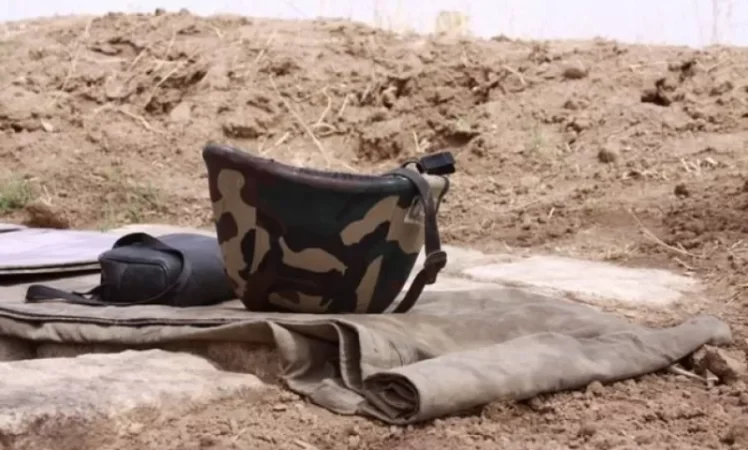
The Court of Appeals continued to hear the appeals in the case of Narek Ch. composed of T. Sahakyan, S. Hambardzumyan, and S. Marabyan. The case was heard at the General Jurisdiction Court of Syunik Province, presided over by Napoleon Ohanyan. Narek Ch. was accused of regularly insulting a conscript soldier, Sevak H., who was under his command as a missile unit commander and by rank a private.
According to the indictment, from the beginning of January 2016 until March 24, Narek Ch. repeatedly reprimanded and criticized Sevak H. without cause on various occasions and ordered him to perform unpleasant tasks that did not originate from military duties, such as retrieving his military gear, making his bed, and carrying out cleaning tasks beyond what was established, all while using vulgar language. Through these actions, as per the charges, Narek Ch. grossly degraded the honor and dignity of the soldier.
Specifically, on March 21, 2016, around 21:30, while on duty for the evening roll call, Narek Ch., forgetting to lead the evening roll call, ordered Sevak H. to go get the roll call book from the barracks, and when he was delayed, he stated in front of other soldiers, "What happened to that g…?" After Sevak returned, he again verbally abused him, adding: "You were not on my side, were you, you d…?"
As reported by the media, in addition, on March 16, 2016, after the "Sleep" command in the barracks, being under the influence of alcohol, Narek Ch. committed acts of violence against Sevak H. by hitting him while he was lying on the bed, jerking and hitting him, demanding, "Hey, give me your phone...".
After receiving such treatment and being in a state of psychological stress, suffering and depression, at around 09:10 on March 24, 2016, private Sevak H. committed suicide by shooting himself at the military shooting range. Narek Ch. did not plead guilty to driving the soldier to suicide and the other charges. He stated that he had known Sevak since 2015 at the training unit. When they started serving together, he became close to Sevak. He claimed he intervened to resolve issues Sevak had with other soldiers and did not allow him to do their work. Sevak had a calm disposition...
On the day of the incident, he went to the shooting range, where he saw Sevak, whose lip was injured. When he asked what had happened, Sevak replied he had argued with Knyaz. Sevak also said that the handgun was not shooting well. Narek then left. While sitting on a seat and smoking, he heard a gunshot. He went and saw Sevak on the ground. He was transferred to the hospital. Narek did not feel well and cried. Military police officers arrived and asked who was close to Sevak. He replied it was him. He was taken to the police station, kept in custody, and there he faced violence, providing testimony that did not correspond to reality. He was told that if he helped them, they would help him, and they would not send the case to court. But it was sent to court.
According to the accused, he was Sevak’s only friend. As friends, they joked together, but he did not humiliate Sevak, did not insult him, and did not commit acts of violence against him. Narek suggested that private Sevak H. did not commit suicide but died due to issues with the weapon, as Sevak had no intention of killing himself. He made notes in his notebook about many plans after service...
In his pre-investigation testimony, Narek Ch. noted that he frequently spoke to Sevak with insults, which had become a constant pattern. Sevak did not respond, only asked him not to talk like that in front of other soldiers... The court concluded that Narek Ch.'s trial testimony was not credible. With regard to certain episodes of violence against the soldier, Narek Ch.'s criminal prosecution was halted due to the statute of limitations. He was found guilty under Part 2 of Article 110, Part 1 of Article 358.1, and Part 3, Clause 3 of Article 358.1 of the RA Criminal Code and was ultimately sentenced to 4 years, 3 months, and 5 days of imprisonment. The start of the sentence will be calculated from the time Narek Ch. was actually taken into custody. The prosecution has appealed this sentence, requesting a stricter punishment of 6 years, 3 months, and 5 days of imprisonment. Narek Ch.’s advocates have also appealed the verdict, calling for his acquittal. According to the defense, the pre-investigative body focused solely on the theory of suicide.
However, if the young man had made distant plans for 2017-2018 in early 2016, and if the soldier asked for food and hygiene products in a phone conversation with his father the night before the incident, would he have wished to commit suicide? Given the overnight phone conversation with his father, shaving early in the morning, and tending to his hygiene, what could possibly occur in a few hours that would lead the young man to be unable to cope and take his own life? In his notebook, Sevak wrote to himself: "Become more hardworking... Don't let tiredness get in the way... Become more responsible... Don't be late..." The entries show that Sevak "spoke" to himself and set himself tasks: "Do as much as you can on yourself... on your body... You have a very bad character... Change yourself to become a real man... Wake up early... Finish your work quickly... Clean your shoes every day, develop physically and mentally... Awaken the strength of your will... Wash your undershirt and underwear... In two months at your regiment, the army will give you will...".
Moreover, the defense considers the conclusions of the posthumous psychological examination unprofessional and unconvincing and finds the forensic medical examination of the victim's body insufficient. They argued that it did not answer two important questions: whether the shot was at close range and whether the weapon had touched the victim's forehead at the time of the shot, and what position the victim was in at the moment. The defense believes that under such circumstances, an additional forensic medical examination of the body should have been assigned to answer all critical questions, but the first-instance court rejected that motion. During this court session, the defense's appeal arguments and generalizations were succinctly emphasized by attorney V. Hovhannisyan.
For more details, visit 1in.am.
Նմանատիպ հոդվածներ

Major Fraud Uncovered at VTB Bank's Sisian Branch
Details of the Brutal Murder Committed at "Yerevan City": "Stabbed Sleeping Man in the Neck"

Extraordinary Incident in Yerevan: Man Enters Women's Restroom at Cascade and Exposes Himself
10-Year-Old's Suicide Linked to Online Game: Investigation Update
Ավելին Incidents բաժնից
ՏԵՍԱՆՅՈՒԹ․ Հրկիզված մեքենաներ, թալանված խանութներ․ Փարիզում զանգվածային անկարգություններ են

Երթևեկությունը կսահմանափակվի՝ Աջափնյակ վարչական շրջանում

Առատ տեղումներ՝ կարկուտ և քամու ուժգնացում է սպասվում