Azerbaijan's Embassy in Tehran Exhibits Photos from the Armenian Genocide at Khojaly Event
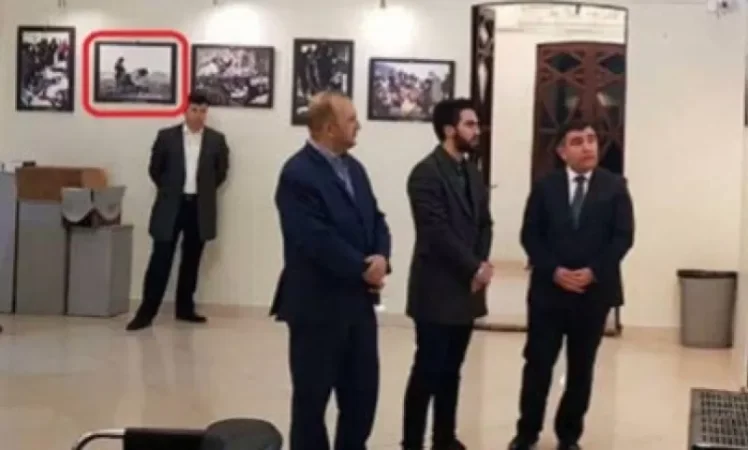
The Azerbaijani embassy in Iran has organized an exhibition in Tehran regarding the events of Khojaly, but among the displayed photographs is a well-known image from the Armenian Genocide.
Iranian media have exposed the deception of the embassy and highlighted the fact that the exhibition included an image of a woman dying of thirst in a desert, while Khojaly is situated in a snowy, semi-mountainous area between Aghdam and Askeran.
The Armenian weekly 'Araks', published in Iran, has sent the reported material from Iranian media along with Armenian translations, which we present below.
"In order to spread false information regarding the well-known events of Khojaly, the Azerbaijani Ambassador to Iran, Buniad Huseynov, organized a special exhibition in Tehran to inform Iranians about 'the crimes of Armenians in Khojaly'.
It appears that due to a lack of facts, the Baku ambassador included a photograph from the Armenian Genocide in the exhibition.
This scandal was noted by Iranians, and the Iranian news site 'Azarija' (Atropatenians) reported on the images posted, stating the following:
"In Tehran, at the embassy of the Republic of Baku, a photo exhibition has been organized regarding the tragedy of the Khojaly village in 1992. During the Nagorno-Karabakh war, when 'Ayaz Mutalibov' had just seized power in Azerbaijan, about 600 villagers were killed in Khojaly.
In recent years, Turkey and Baku have tried to equate the tragedy of Khojaly with the Armenian Genocide that occurred in the Ottoman Empire. An Iranian website has uncovered the scandal, writing: 'However, a strange incident occurred at this year's photographic exhibition organized in Tehran by the Baku Embassy, attended by the country’s ambassador and several former Iranian diplomats who worked in Baku. The oddity is that several images displayed in the gallery are stolen pictures that actually belong to the time of the Armenian Genocide carried out by the Ottoman Empire, which the Baku government has presented as victims of Khojaly.' The Iranian site added:
"The exhibition also included an image of a woman dying of thirst in a desert, while Khojaly is located in a cold and snowy semi-mountainous area between Aghdam and Askeran. An investigation of the photograph revealed that it belongs to the forced migration of Armenians to Syria during the Ottoman Empire and can be found in the catalog of images held by the Library of Congress in the United States under the same title."
It is noteworthy that Azerbaijani President Ayaz Mutalibov has stated clearly regarding this: 'As the survivors of Khojaly told, those events were orchestrated by my opponents to destabilize Azerbaijan. In other words, there were forces in Azerbaijan who systematically desecrated the bodies of the residents of Khojaly along the Agdam road so that later these images could be used against me for political purposes.'
The Iranian site titled 'The Lying Shepherd' completely exposes the lies of Baku's authorities, writing:
"Why does the Baku government regularly lie about historical facts? From where does this degree of thirst and obsession for lying arise? While the patience of all neighboring countries has run out with Baku's lies and distortions of historical facts, and the country’s population has garnered a notorious reputation as a nation, why do their leaders continue their falsehoods? The reason is that the country known as Azerbaijan is fundamentally based on 'lies and theft'. A country that even its name has been stolen must lie and distort history to survive. Regarding the Khojaly tragedy, despite the fact of innocent victims, there are major but questions connected to this incident. It is a fact that the president of Baku at that time, 'Ayaz Mutalibov', blamed not the Armenian forces, but the Azerbaijani military for the killings in Khojaly, and the country’s Defense Minister Rahim Gaziev confirmed that the armed forces of Baku arranged things so that the residents of Khojaly would be positioned under enemy fire, using that later for the purpose of overthrowing Elchibey.'
The Iranian site emphasizes: 'Remarkably, the bodies of the Khojaly victims were found not in Khojaly village but at a much distant location, which was entirely under the control and command of the armed forces of Baku.'
The site concludes: 'The disaster occurred during a period when the power struggle between 'Ayaz Mutalibov' and the 'Popular Front of Azerbaijan' had reached its peak, and both sides were ready to use any means to strike against each other, with the Khojaly tragedy providing Elchibey with an ideal situation to seize power. The delays in the evacuation of the Khojaly population by the armed forces of Baku, despite warnings of an attack from Karabakh, should also be sought in this catastrophic power struggle. Although the residents of Khojaly were not evacuated, they managed to leave the city using the route left open by the Armenian forces for this purpose and successfully reached an area under the control of Baku forces. Nevertheless, the 'Popular Front of Azerbaijan', which had interests other than the safety of its own people, created a situation where these migrants found themselves caught in crossfire. Numerous testimonies, including that of Rahim Gaziev, the Defense Minister of Baku, confirm that Baku’s forces could have best supported the displaced people by ensuring their safety.'
The site concludes: 'According to the information provided by Canadian historian Wilson Gory, it was fundamentally impossible for the Armenian armed forces to differentiate between armed people and unarmed ones during a large-scale nighttime operation, and the chance of mistake was very high. After the events of Khojaly, 'Ayaz Mutalibov' clarified the realities of the Khojaly events in several interviews, including with the Russian newspaper 'Nezavisimaya Gazeta' and Czech journalist Dana Mazalova.
'In Nezavisimaya Gazeta', Mutalibov confirmed that the Armenians had left a way out for the inhabitants of Khojaly. If I assert that the Azerbaijani opposition is to blame, they can say that I am lying. However, it is a fact that when the Armenians left the city, why should they have opened fire on them? Especially since there was a significant military force in the area of Aghdam that could have helped the people. Or they could have even negotiated with the enemy for the safe departure of the civilians. This practice has always been present.'
Նմանատիպ հոդվածներ
Former Deputy Minister of Health Arrested

No Comment
The Authorities Lack Morality. They Have Targeted My Family. Kocharian

It Was So Shocking That At First I Couldn’t Believe It Could Be Real: Arpine Hovhannisyan Comments on the Letters Addressed to the Prime Minister Regarding the Optimization of Public Servants
Ավելին Politics բաժնից

Մոսկվայից կոչով դիմել են ԱՄՆ-ին
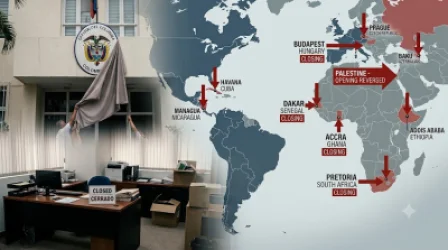
Կոլումբիան փակում է իր դեսպանատներն Ադրբեջանում և մի քանի երկրներում

Բրիտանիայի նոր վարչապետը շանը չի տեղափոխի ռեզիդենցիա՝ Լարրի կատվի պատճառով