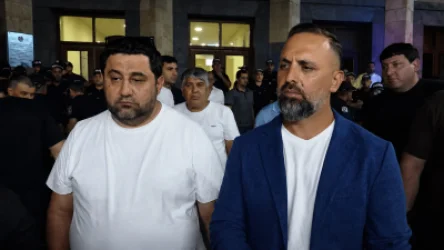
The Arrest of Kocharian Could Affect Armenia-Russia Relations: Stratfor
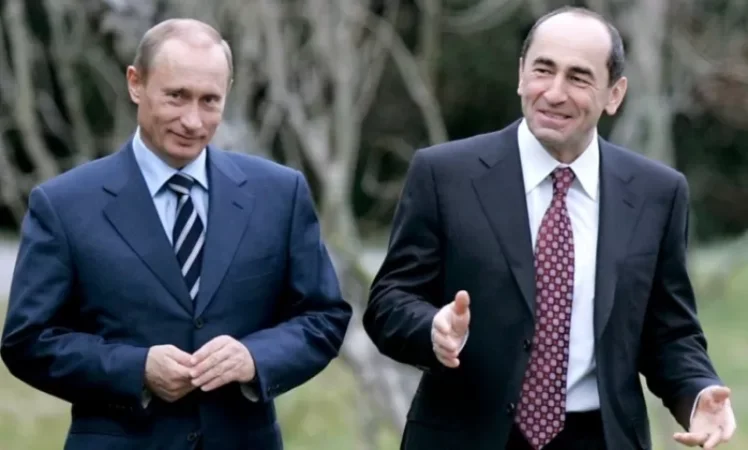
The American analytical center Stratfor has addressed the developments in the relations and economic cooperation between Armenia and Russia. The article cites tert.am.
Analysts note that the strong ties between Armenia and Russia are a cornerstone in the Caucasus; however, the current tension between Yerevan and Moscow could significantly damage these relations.
According to the analysts, the relations between the two countries have been particularly influenced by the criminal prosecution launched against former President Robert Kocharian and former CSTO Secretary General Yuri Khachaturov.
The article also discusses the 5,000 Russian soldiers stationed at the 102nd military base in Gyumri. It is noted that Russia has substantial influence over Armenia's economic sector—from energy pipelines to telecommunications.
“Russia is also Armenia's largest trading partner, accounting for 25 percent of total trade. Recent changes in power in Armenia have raised questions about the strong ties formed between Yerevan and Moscow,” the article states.
The author points out that one source of tension was the Russian military drills conducted in an Armenian village, which were followed by protests from local residents and Prime Minister Pashinyan's complaint to Moscow about the lack of prior warning to residents regarding the drills.
Another factor influencing the relations between the two countries mentioned is the visit by U.S. National Security Advisor John Bolton to Armenia in October 2018 and his statement of willingness to sell weapons to Armenia.
“There are also disagreements in other areas of Armenian-Russian cooperation, including the energy sector. These disagreements put Armenia's military ties with Russia at risk, although they could also affect gas supplies,” the author notes, emphasizing that if Armenian-Russian relations continue to deteriorate, other powers such as the United States, Iran, and Turkey could intervene in the Caucasian country and weaken Russia's position.
According to the author, alongside the U.S. proposal to sell weapons, Iran might increase its natural gas exports to Armenia, while the European Union has also made more economic and political offers to the country.
“Armenia might consider the proposal more seriously, although it would deepen the tension between Russia and the West. On the other hand, Turkey may again attempt to take serious steps toward normalizing relations following the 2009 efforts, though such steps would depend on the resolution of the Nagorno-Karabakh issue. All this, in turn, would force Russia to focus on deepening relations with Azerbaijan, increasing the likelihood of greater destabilization in the region,” the article concludes.
Նմանատիպ հոդվածներ
Discussions at the Ministry of Labor and Social Affairs: Who Will Be the Minister?
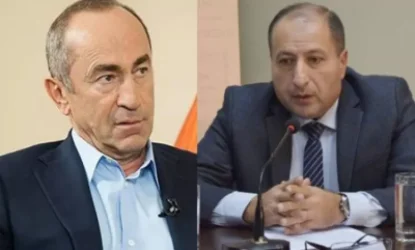
Second Judge's Recusal Decision in Robert Kocharyan's Case Rejected: Haik Alumyann
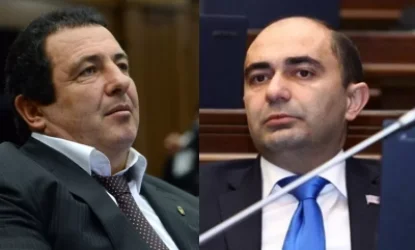
If Marukyan "pulls the weight", Tsarukyan will speak openly: "Iravunk"
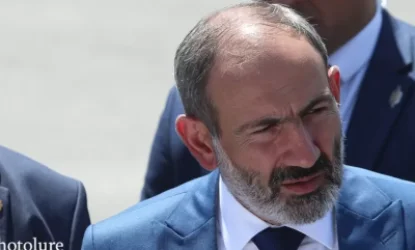
Heavy Month: The National Assembly's European Integration Committee Will Not Be Given to BHK, Casting Done by Pashinyan
Ավելին Politics բաժնից
ՔՊ-ի պատգամավորների վերջնական ցանկը հայտնի է․ ովքեր կմտնեն 9-րդ գումարման ԱԺ
Զելենսկին պաշտոնանկ արեց Սիրսկուն, Ուկրաինայի ԶՈւ-ն նոր գլխավոր հրամանատար ունի․ ով է նա
Ուկրաինայում կարտադրվեն բրիտանական նոր զինատեսակ` L119 հաուբիցներ