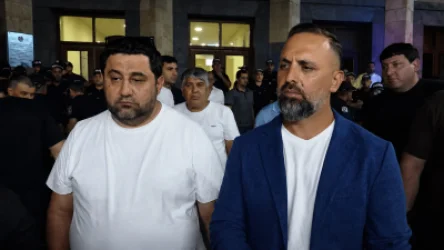
Inevitability of Conflict Within the Government: "Pasts"
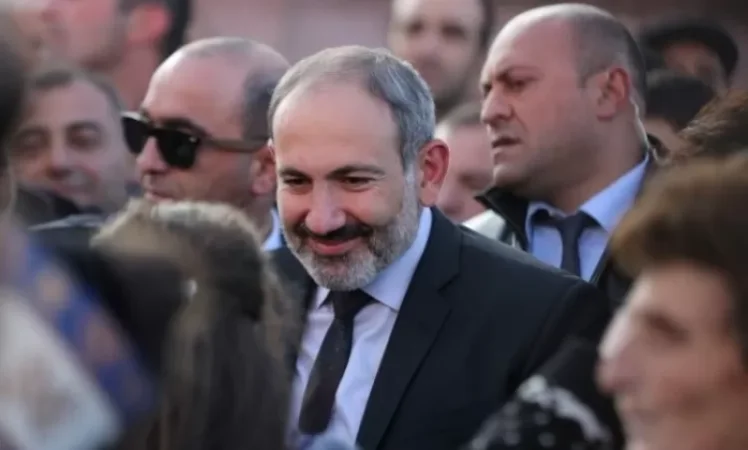
“Pasts” newspaper writes: “The political force that came to power through the streets will one day face the issue of clarifying internal boundaries, a problem that was objectively sidelined during both the revolution and the early months that followed it. Changing power through the streets means a non-partisan, mixed format, a unification of people with different values and views coming together in one place. And while this broad consolidation may have contributed to the common cause during the time of the revolution, it becomes a serious issue after the victory of the revolution. Especially considering the underdeveloped state of the Armenian party system, which has also affected the ruling party, the Civil Contract (CP).
If there were a mature party and political system, the change of power would have occurred through elections. The fact that the change of power happened in the streets signifies the nullification of a political system that was already weak, and the new government has the obligation to create a new system. This obligation means that the new government cannot govern without a system, even if it is one based on unwritten rules. That system should at least regulate internal relations.
It is already noticeable how various representatives of the government criticize each other at different occasions, and they do so publicly. Optimists may present this as a manifestation of intra-party democracy. However, in reality, it reflects the visible disagreements among people who ended up in the same place due to circumstances, but represent opposing interests, views, and values. Whether this is good or bad is hard to say. But what is happening is at least inevitable, and objectively this had to be the consequence of the chosen method of change of power, irrespective of whether this was acknowledged or not.
As high as Pashinyan’s authority may be, he needs a team, and a court. He cannot lead the country unilaterally, even theoretically, if Armenia transitions to an authoritarian or unilateral governance model. First, there are no resources for this model in Armenia, and second, even in that model, there is a need for a team. No unilateral system can be viable without a team, personnel, or court.
Within this conditional court, however, there are various factions. By power, team, and court, we refer not only to those representing the government in the executive or legislative branches but also to those who actively participated in the revolution and had specific contributions to its success. Is there a clear vision of what the team should look like, or will the formation of the team happen organically and spontaneously? It is hard to say. But the responsibility of the team will primarily fall on Pashinyan’s shoulders.
It is no coincidence that on the last day of obtaining mandates, Pashinyan summoned the faction for a closed meeting. It later became known that, at his initiative, a dinner would be organized involving the members of the parliamentary faction to facilitate their rapprochement.
In recent days, various disagreements over even trivial topics have only marked the beginning. Some of these will be discussed publicly, and a significant part will remain behind the scenes, but regardless of how they manifest, these disagreements will continue to be numerous. The question is what the government will gain from this, and most importantly, what the state will gain from it.”
For more details, refer to today’s issue of the newspaper.
Նմանատիպ հոդվածներ
Second Judge's Recusal Decision in Robert Kocharyan's Case Rejected: Haik Alumyann
If Marukyan "pulls the weight", Tsarukyan will speak openly: "Iravunk"
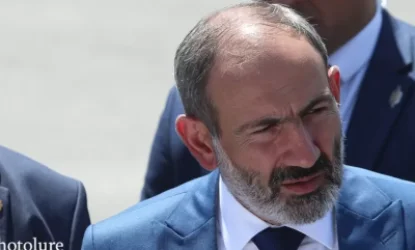
Heavy Month: The National Assembly's European Integration Committee Will Not Be Given to BHK, Casting Done by Pashinyan
Discussions at the Ministry of Labor and Social Affairs: Who Will Be the Minister?
Ավելին Politics բաժնից
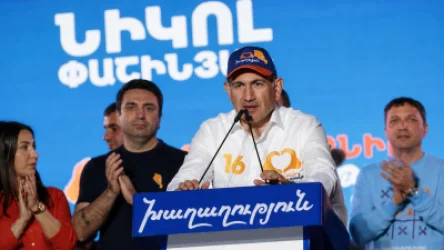
ՔՊ-ի պատգամավորների վերջնական ցանկը հայտնի է․ ովքեր կմտնեն 9-րդ գումարման ԱԺ
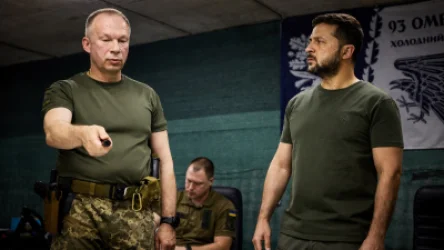
Զելենսկին պաշտոնանկ արեց Սիրսկուն, Ուկրաինայի ԶՈւ-ն նոր գլխավոր հրամանատար ունի․ ով է նա
Ուկրաինայում կարտադրվեն բրիտանական նոր զինատեսակ` L119 հաուբիցներ