Which Products Will Become More Expensive After January 1st
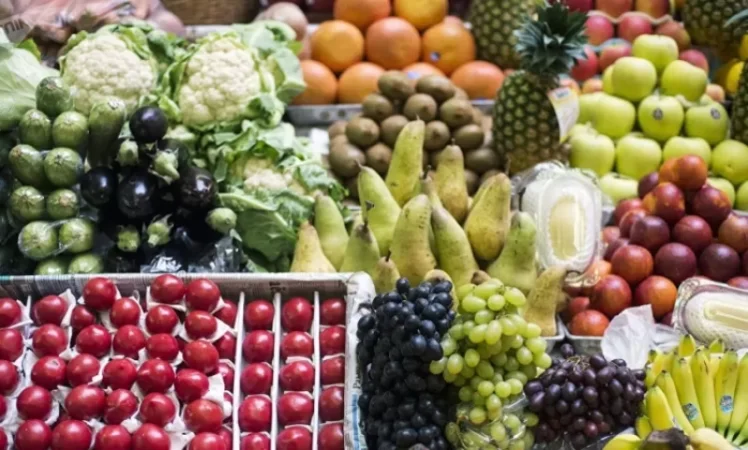
The Republic of Armenia's membership in the Eurasian Economic Union (EAEU) continues to lead to rising prices for numerous product categories. As we know, approximately 7,000 of the 11,552 product types have higher customs duties within the EAEU than in Armenia, and since our accession to this structure, those elevated customs duties have been imposed on us as well.
Although during the Armenia-EAEU negotiations in 2014 it was decided to gradually increase the customs duties on a significant portion of these products (775 product types), this was merely a temporary solution to the issue. While some of these products are not classified as essential goods and their price hikes affect only certain segments of society, the increase in prices for many basic necessities directly impacts everyone’s wallets.
The price increases associated with EAEU membership will continue into 2019, and the “Informed Citizens' Initiative” has decided to demonstrate which product types will see their customs duty rates rise starting January 1, 2019.
Thus, from the very first day of the approaching year, customs duties on imported meat products will increase by 12.5%, while those for poultry will rise by a full 22%. Among essential goods, butter, vegetable and animal oils, and other fat-based products, as well as certain types of vegetables, will become 13% more expensive, and medicines will rise by 2% to 4%.
There is no need to explain the repercussions that such price increases will have for citizens living under already challenging social conditions in Armenia. This is particularly pertinent as the minimum consumer basket, based on the data from the third quarter of 2018, is at 62,330 AMD, which is higher than the minimum wage (55,000 AMD).
It is noteworthy that the aforementioned products, with the exception of medicines, form a significant part of the consumer basket, and the anticipated price hikes will further exacerbate the already dire socio-economic condition of the underprivileged population.
The agricultural sector will also not be spared from price increases. Customs duties on imported fertilizers will rise by 4%, grains and animal feeds will increase by 2% to 4%, and agricultural tools will rise by 3% to 6%. The increase in customs duties for these products will trigger a chain reaction leading to the rise in prices for bread and agricultural products.
Prices for paper, napkins, threads, textiles, and fabrics imported from third countries will also rise by 2% to 6%, while linens will increase by 10% to 11%. Other products set to rise in price include timber (4% to 9%), ceramic and semi-ceramic tiles, light bulbs, glass containers (10% to 12%), and other construction materials by up to 6%.
It should be emphasized that these figures refer only to the customs duty rates of products imported from non-EAEU member countries. Therefore, the degree to which these increasing customs duties will lead to price hikes depends on whether it is possible to import similar products from EAEU countries. However, the majority of the aforementioned products are sourced from non-EAEU member countries, thereby ensuring that their costs will rise at least as much as the increase in customs duties.
Thus, following Armenia's accession to the EAEU, the rise in prices for goods, particularly for essential food products, has become inevitable, as we had predicted, and Armenia's weak economy continues to grow increasingly dependent on the EAEU, particularly Russia.
Furthermore, it should be noted that the customs duties paid by importers, which will increase from January 1, will not enter the Armenian state budget; rather, they will go directly to the EAEU budget, from which Armenia receives approximately 1% in return.
Sevada Ghazaryan “Informed Citizens' Initiative”
Նմանատիպ հոդվածներ


Ավելին Society բաժնից

Գարիկ Սարգսյանը լքում է Վեդիի ղեկավարի պաշտոնը՝ ԱԺ պատգամավոր դառնալու համար

Հուլիսի 21-ին զինծառայող է մահացել․ ՔԿ-ն քրեական վարույթ է նախաձեռնել
Խոշոր հրդեհ՝ Երևանում․ Աջափնյակի դատարանի հարակից տարածքում խոտածածկ տարածք է այրվում