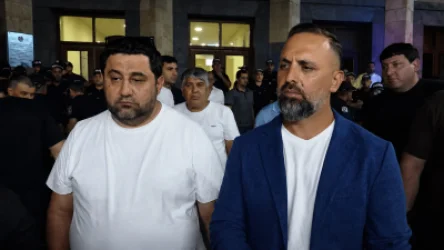
Arpine Hovhannisyan Ready to Support Redundant Public Servants

Arpine Hovhannisyan has published a draft of the structural changes in the government, reducing the number of ministries from 17 to 12:
“For whom are the ministries preserved or cut?”
As I promised this morning, I am addressing the content of the optimization of the ministries (accompanied by images of the draft).
Thus:
- The Ministry of Education and Science will merge with the Ministries of Culture and Sports. This will create a massive structure that, even with great desire, cannot operate efficiently.
- The Ministry of Diaspora is abolished, and its name will not be preserved in any other ministry. Its functions will be carried out by the Ministry of Foreign Affairs.
- The Ministry of Transport, Communication, and Information Technologies will now be the Ministry of High Technology and Military Industry. While attention should undoubtedly be paid to these sectors, should this be in the form of establishing a separate ministry?
In this regard, several questions arise, particularly whether the minister's preferences or specialization have been considered, or whether the large volume in GDP of these sectors has been taken into account. Furthermore, in the case of military industry, has it been considered that the internal market is too small for development, and what will be the main guarantee of our competitiveness in external markets—good logistical transport or skills, perhaps equipment? Why have these two areas been singled out when leading countries in military industry do not have separate ministries?
Just as easily, a Ministry of Jewelry could have been created considering our expertise in this field and perhaps a larger percentage in GDP.
- The Ministry of Energy merges with the Ministry of Territorial Administration. This ministry will also take over transport and the State Property Management Committee. Again, it creates a 'super' ministry, again with an unclear purpose.
- The Ministry of Agriculture will also merge with the Ministry of Economic Development. Think about why. Let me know your thoughts.
From the perspective of management efficiency, it is quite challenging to see the logic in all this, as there remains a separate ministry, for instance, the Ministry of Emergency Situations, beside several ‘super’ ministries created for unclear purposes. Moreover, international experience shows that separate ministries for emergencies are not common; they mainly fall under the purview of the Ministry of Internal Affairs or another ministry, alongside the police. Besides, by creating a unified Ministry of Internal Affairs, significant savings could be achieved, and Prime Minister Pashinyan could fulfill his promise for once, that is, to create a system where the police would be accountable to the National Assembly.
However, it seems that the new government is determining its structure based not on efficiency but on whether they have a suitable minister for a given ministry.
In this entire mess, a large number of people will suffer, and perhaps most importantly, efficiency will be extremely low.
P.S. I hope that when the government summarizes the feedback from all ministries in a week, they will heed the public response and change their decision, especially since it is unjustified from the perspective of management efficiency.
P.P.S. Since legal issues will inevitably arise during this so-called optimization process, I express my willingness to support any public servants who may need it,” Hovhannisyan wrote.
Նմանատիպ հոդվածներ

Ավելին Politics բաժնից
ՔՊ-ի պատգամավորների վերջնական ցանկը հայտնի է․ ովքեր կմտնեն 9-րդ գումարման ԱԺ
Զելենսկին պաշտոնանկ արեց Սիրսկուն, Ուկրաինայի ԶՈւ-ն նոր գլխավոր հրամանատար ունի․ ով է նա
Ուկրաինայում կարտադրվեն բրիտանական նոր զինատեսակ` L119 հաուբիցներ