Politics
Armen Gevorgyan Tried to Smooth Over Emerging Issues Between Serzh Sargsyan and Karen Karapetyan
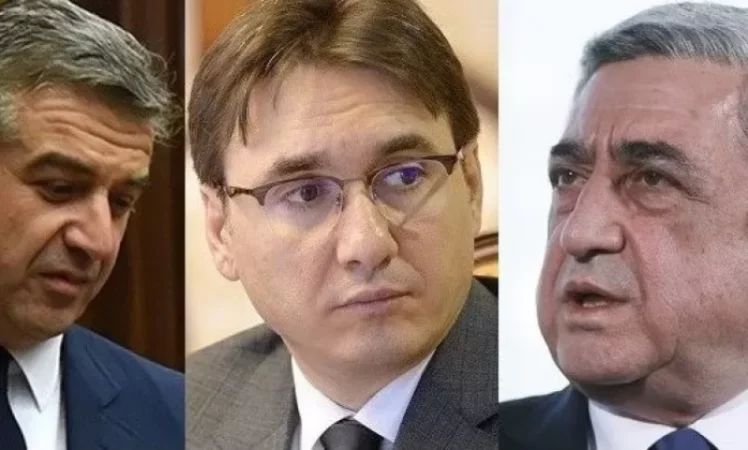
The former head of the Office of the President of Armenia and former Deputy Prime Minister Armen Gevorgyan has given an interview to the Mediamax agency, addressing the revolution that took place in Armenia and its causes.
Below is an excerpt from the interview:
"- What happened in Armenia in April was determined by Serzh Sargsyan's decision to seek a de facto third term. You held important positions during Serzh Sargsyan's tenure, did you ever discuss this third term topic with him?
- I don't think the April power change, the revolution, if you like, was caused solely by the reason you mentioned—Serzh Sargsyan's nomination for Prime Minister. In my opinion, the reasons are much deeper, much more layered. Of course, Serzh Sargsyan's so-called third term became the moment, the spark that led to a nationwide eruption. But from the perspective of the state's future, it is important to understand the entire depth of the reasons for what happened. This is important for society, for today's and future authorities. Regarding Serzh Sargsyan's nomination, that decision was made within the Republican Party, of which I am not a member and did not participate in the actual discussions. Of course, there were various occasions when we discussed the situation in the country, possible solutions after the new Constitution came into force, external challenges, and so on. But the decision was made in a different format. Since everything is still quite fresh, I don’t think Serzh Sargsyan and Karen Karapetyan will be willing to inform the public of the discussions they had. Perhaps, over time, some details will be revealed. My personal impression is that after the 2017 National Assembly elections, an atmosphere within the authorities was formed: we have passed the main problematic stages, society has accepted the 'rules of the game,' and it is possible not to go for very significant and serious changes, including regarding individuals. There was an attempt to both conserve public sentiments and the actual problems. In my view, it was during this phase that the authorities began to rapidly detach from society, and the channels of feedback were unacceptably decreasing. I believe the authorities misinterpreted the results of the 2017 parliamentary elections. In the context of transitional democracy and still not very strong political and civil institutions, the number of votes received and the state of public sentiments can differ. I think the authorities erred precisely on this issue. But this is not just a problem of the past; this is also a problem for the future. And that’s what makes it important. Today’s and future authorities may also face the same risk of error. I think I managed to clearly articulate my point. - There is an opinion that after Karen Karapetyan's appointment, you acted as a 'connector,' helping to smooth over the emerging issues between him and the president. Is that true? - I will not try to overestimate my role. Especially since both were figures with extensive experience in public service and also individuals who had normal human relations. So, there was not a mediator's issue. Another question is that I tried to smooth out arising issues, find optimal solutions, and ensure the stability and smooth operation of the public system."Նմանատիպ հոդվածներ
Ավելին Politics բաժնից
ՔՊ-ի պատգամավորների վերջնական ցանկը հայտնի է․ ովքեր կմտնեն 9-րդ գումարման ԱԺ
Զելենսկին պաշտոնանկ արեց Սիրսկուն, Ուկրաինայի ԶՈւ-ն նոր գլխավոր հրամանատար ունի․ ով է նա
Ուկրաինայում կարտադրվեն բրիտանական նոր զինատեսակ` L119 հաուբիցներ