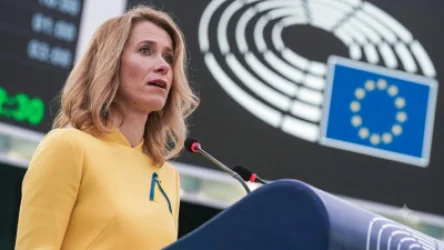
Moscow Takes Action: How They Are Trying to 'Explode' Armenia from Within
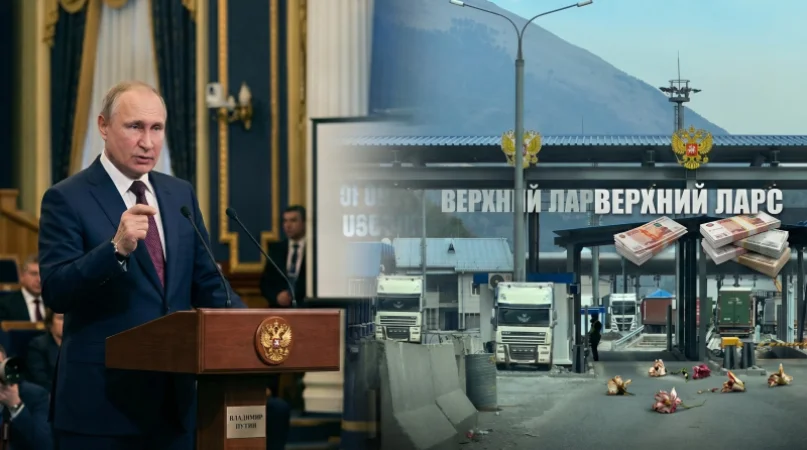
As Armenia approaches its upcoming elections, Moscow has transitioned into a tough and multi-layered phase of maximal pressure. This is a classic case of 'the stick and the carrot' policy, where the carrot is entirely absent, and the stick is employed at both political-diplomatic and economic levels.
The following is a comprehensive analysis of how Russia is attempting to raise a wave of internal discontent in Armenia.
The Russian side is trying to confront the Armenian populace with a hard choice: 'either us or the West.' Using the popular phrase 'you can't dance at two weddings,' Moscow is trying to instill fear in the public. Accusing Prime Minister Pashinyan of leading an 'anti-Russian campaign' serves as a clear signal to the opposition and discontented groups in Armenia.
Ahead of the elections, Moscow openly demonstrates that the current government lacks its approval, which provides a signal for local pro-Russian or simply dissatisfied forces to consolidate and shape an agenda for regime change.
If the statements create a political backdrop, then the economic restrictions (for example, the ban on flower exports) serve as practical 'sticks.' The periodic 'blockages' of vehicles transporting Armenian products, such as flowers, brandy, dairy products, or trucks on the Lars border crossing (allegedly due to sanitary issues), are direct blows to small and medium businesses, farmers, and exporters in Armenia.
Moscow's calculation is straightforward: when thousands of farmers or entrepreneurs face bankruptcy, they will direct their protest arrows not at Moscow, but at Yerevan, blaming the Armenian authorities for an 'erroneous foreign policy' and endangering their incomes.
In analyzing the situation, it is evident that about two weeks before the parliamentary elections, the Kremlin implemented a harsh mechanism for pressuring the Armenian authorities and various segments of society. It seems clear that raising a broad wave of public protest before the elections is not very realistic, but...
Considering the opposition's lackluster and unimpressive campaign, one can assume that Russia and the pro-Russian opposition will focus on post-election developments, based on the socio-economic discontent created by the restrictions imposed by our strategic ally.
- David Jalalayan
Նմանատիպ հոդվածներ
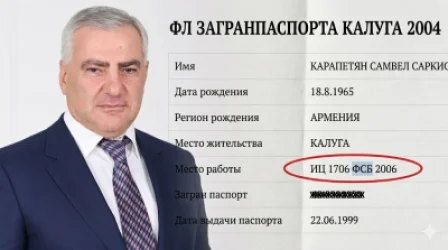
Samvel Karapetyan's Passport File Lists FSB Information Center as Workplace, Reports The Insider
Calls to Ban Pashinyan from Entering Moscow
Election Scandal: CPP Under Scrutiny as 'Strong Armenia' Faces Allegations

Zakhrova Responds to the Incident Between Pashinyan and a Citizen in Yerevan
Ավելին Politics բաժնից
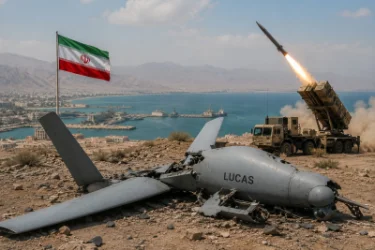
Իրանը հայտարարում է ԱՄՆ-ի երկու ռազմական անօդաչուի ոչնչացման մասին
Իրանն ու Ռուսաստանը կարող են արգելակել TRIPP-ի իրականացումը․ Սուրենյանց
Իրանը կշարունակի վերահսկել Հորմուզի նեղուցը